Iranian officials' response to Syria sanctions: Promise more economic aid to Assad
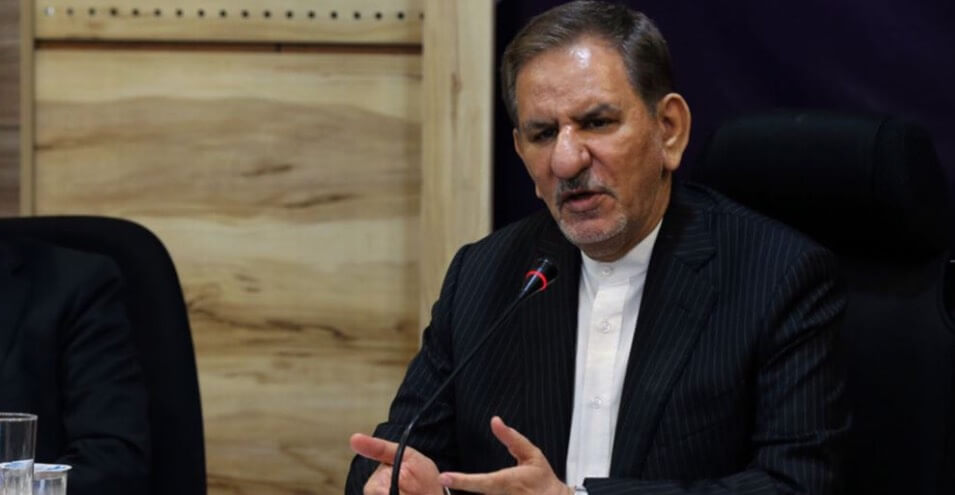
با اعلام اجرایی شدن تحریمهای جدید و سختگیرانه ایالات متحده علیه دولت سوریه، معاون اول رئیس جمهور ایران روز پنجشنبه خواستار اجرایی شدن «هرچه زودتر» توافقهای اقتصادی ایران با سوریه شد و گفت که جمهوری اسلامی «از هیچ اقدامی» برای کاهش فشارها بر سوریه دریغ نخواهد کرد.
به گزارش خبرگزاری صداوسیما، اسحاق جهانگیری این مطلب را روز پنجشنبه، ۲۹ خرداد، در تماس تلفنی با حسین عرنوس، نخست وزیر جدید سوریه، اظهار کرده است.
او گفت: «باید توافقات دوجانبه در کمیسیون مشترک همکاریهای اقتصادی و کمیته راهبردی روابط فیمابین را پیگیری کنیم تا هر چه زودتر این توافقها اجرایی شود» و خطاب به «جامعه جهانی» هم گفت که «باید حمایتهای جدی را از مردم این کشور به ویژه در زمینه تأمین دارو و کالاهای اساسی انجام دهد.»
خبر تصمیم دولت ایران برای کمکهای بیشتر اقتصادی به دولت بشار اسد در سوریه در حالی مخابره میشود که حشمتالله فلاحتپیشه، عضو کمیسیون امنیت ملی و سیاست خارجی مجلس، اردیبهشتماه امسال در اظهاراتی کمسابقه اعلام کرد که در یک دهه گذشته جمهوری اسلامی حدود «۳۰ میلیارد دلار» در سوریه هزینه کرده است.
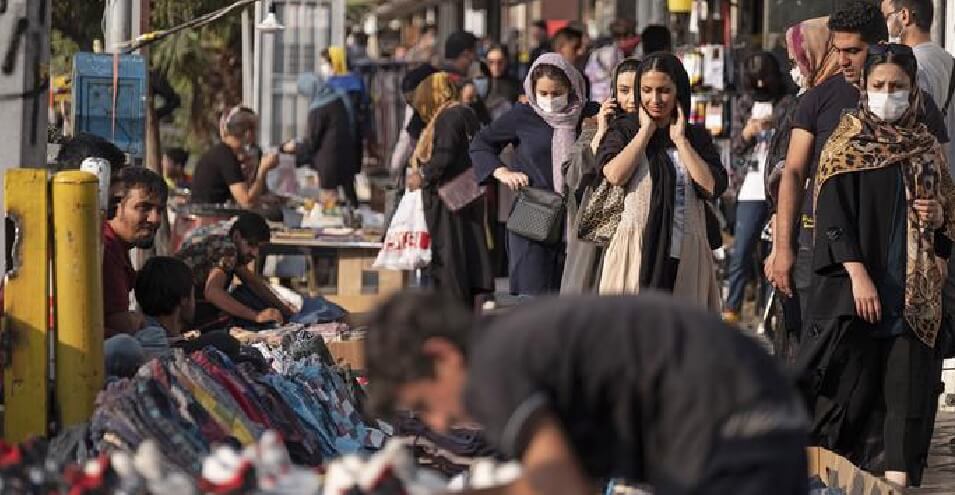
در چند سال گذشته در هر حرکت اعتراضی که در ایران به راه افتاده است یکی از موضوعات اعتراض مردم در خیابانها پولی بوده که به جای خود کشور در دیگر کشورها از جمله در سوریه هزینه شده است.
روز پنجشنبه، عباس موسوی، سخنگوی وزارت امور خارجه جمهوری اسلامی، نیز به وضع و اجرایی شدن قانون تحریمی موسوم به «سزار» علیه سوریه واکنش نشان داد و گفت: «ایران هیچ گونه اعتباری برای این قبیل تحریمهای ظالمانه و یکجانبه قائل نیست.»
او نیز خبر داد که جمهوری اسلامی «همانند گذشته به همکاریهای اقتصادی خود» با سوریه ادامه خواهد داد و «علیرغم این تحریمها، روابط اقتصادی خود را با سوریه تقویت» خواهد کرد.
هدف از تحریمهای جدید آمریکا که روز ۲۸ خرداد اجرایی شد، جلوگیری از منفعت مالی دمشق و متحدانش در پی پیروزیهای نظامی و بسط کنترل بر آن کشور است.
آمریکا و اتحادیه اروپا البته تا همین الان هم تحریمهای مختلفی را علیه دولت مرکزی سوریه اعمال کردهاند. اما واشینگتن میخواهد تحریمها را به افراد حقیقی و حقوقی و شرکتهایی که ممکن است با دولت دمشق وارد معامله شوند بسط دهد.
تحریمهای تازه بنا بر نام مستعار عکاسی که در سال ۲۰۱۴ هزاران قطعه عکس از «شکنجه و کشتار گسترده» در زندانهای حکومت بشار اسد به بیرون از کشور برد، «قانون سزار» نامگذاری شده است.
تحریمها علاوه بر دولت اسد، میتوانند علیه حامیان اصلی او، تهران، مسکو و حزبالله لبنان نیز مورد استفاده دولت آمریکا قرار گیرند.
اما پیامد «قانون سزار یا قیصر» تنها محدود به آنها نیست، و میتواند بر چین و برخی دیگر کشورهای منطقه از جمله اردن، عراق، لبنان و آنهایی که قصد بسط روابط با دمشق دارند، نیز تاثیر بگذارد.
حبیب حسینیفرد، تحلیلگر سیاسی در مقالهای برای رادیو فردا نوشته این تحریمها بالاترین سطح تحریم و نزدیکترین حالت به جنگ نظامی تلقی میشود و دولت سوریه را با مشکلاتی بسیار بیشتر از وضع کنونی روبهرو خواهد کرد. و احتمال زیادی وجود دارد که در چارچوب این تغییر و تحولات، ورای رفتن یا ماندن اسد یا تقسیم قدرت به هر میزان، معادلات باز هم به سود ادامه حضور و نفوذ ایران در سوریه سیر نکند.
Source: Radio Farda