Pope Leo and the American Catholic Church's historic turn in support of immigrants
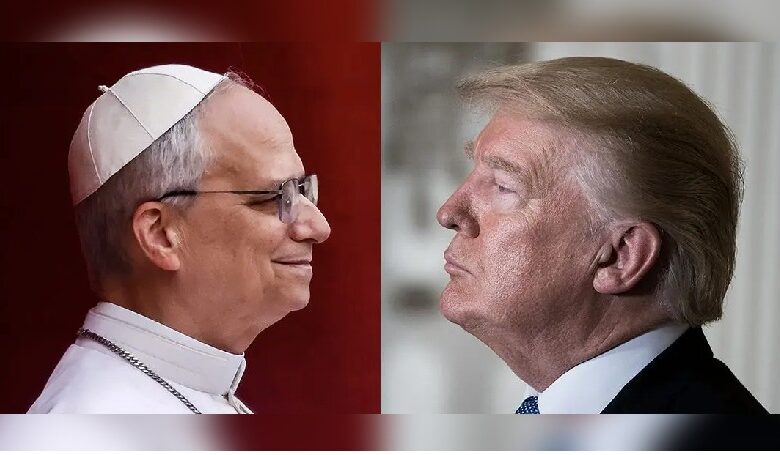
The apparent turn of events in the American Catholic Church in Pope Leo's appointments, with an emphasis on defending immigrant rights, indicates a fresh and more comprehensive approach to "pro-life" doctrine.
In a significant shift in the leadership structure of the Catholic Church in the United States, Pope Leo, the leader of the world's Catholic Church, is fundamentally changing the way the country's clergy responds to the immigration policies of the Donald Trump administration by selecting bishops known for their support for immigrants.
These appointments, which some analysts describe as one of Pope Leo's most important actions during his papacy, have attracted widespread attention from the media and religious institutions.
Of the 13 new bishops appointed by Pope Leo in the United States, at least 10 have reportedly taken outspoken positions criticizing the Trump administration’s immigration policies and calling for improved treatment of immigrants. These positions have included not only criticism of the government’s crackdown, but also the use of words like “cruel” to describe some of the measures.
One of the most notable of these appointments is the election of Ronald Hicks as the new Archbishop of New York. Hicks, who replaces Cardinal Timothy Dolan, a conservative figure, has a history of missionary service in El Salvador and years of work among immigrant communities.
In his first news conference after his appointment, he expressed his full support for the statement of the American Catholic Church condemning the Trump administration's immigration policies, a statement that calls for a more humane treatment of immigrants and emphasizes respect for their legal rights before deporting them.
Religious experts say the appointments, which replace bishops with more conservative approaches, represent an expansion of the traditional concept of “pro-life” beyond mere opposition to abortion to include defending the human dignity of immigrants and the socially disadvantaged. According to a Vatican official in charge of episcopal appointments, the approach reflects a maturing of the church’s understanding of what it means to support life.
This new approach to Catholic Church policy highlights the relationship between religious teachings and contemporary social challenges. Pope Leo has repeatedly emphasized that pro-life teaching must include respect for the dignity of all human beings, and not just issues limited to the beginning of life.
In a widely publicized speech, he said: "Someone who says I am against abortion but agrees with the inhumane treatment of immigrants in the United States does not understand the concept of 'pro-life.'"
In addition to Hicks, some of the newly appointed bishops also have significant personal and professional backgrounds in supporting immigrant communities, including San Diego Bishop Michael Pham, who is himself a refugee and has been involved in legal cases to protect asylum seekers, and Ramon Bejarano, who grew up in Mexico and has participated in protests against strict immigration policies.
This general approach by the Vatican and church leaders in the United States comes at a time when political tensions between the church and parts of the conservative religious community in the United States have also increased. US Vice President J.D. Vance has defended the Trump administration’s positions, saying that every country has the right to control its own borders and describing these policies as humanitarian, a position that clearly contradicts the church’s message.
Domestic criticism and foreign reactions to this change in strategy by the Catholic Church indicate that how it deals with immigration and supporting the vulnerable has become one of the most central moral and social issues in the structure of the American church. Religious analysts believe that these appointments could affect the orientation of the church in the United States on social justice, human rights and the role of religion in public policy for decades.