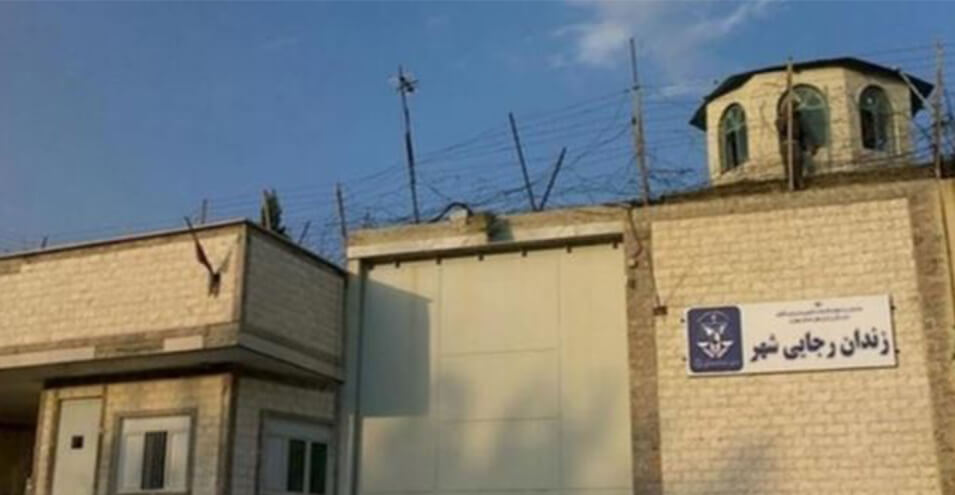
Proposal to implement "public punishment" for perpetrators of street violence
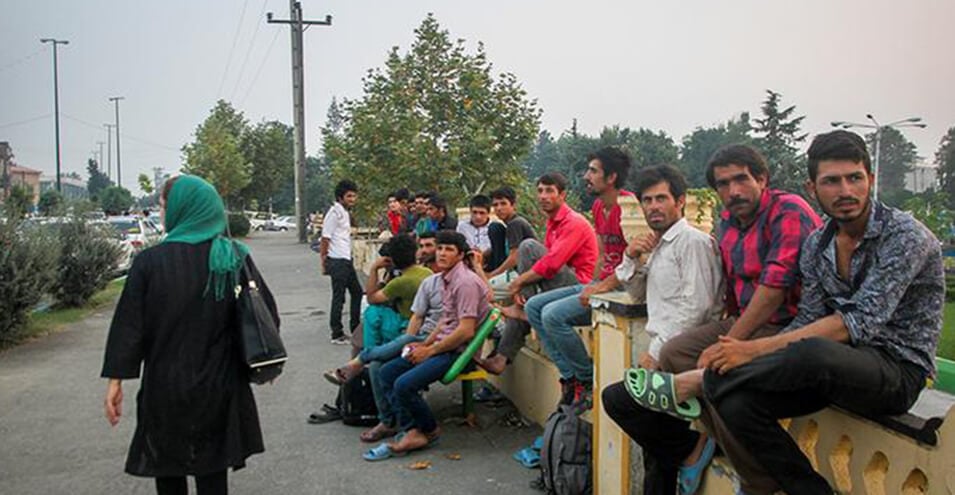
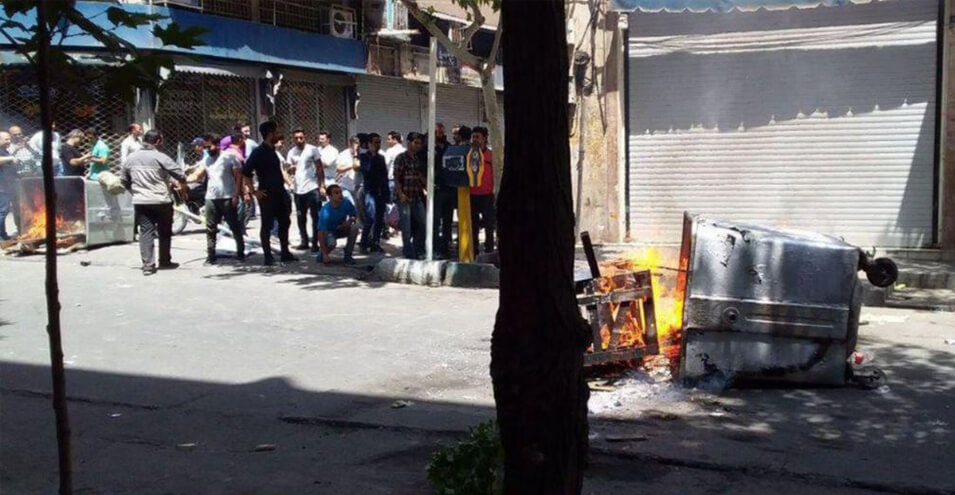
Iranian officials blame unemployment and the economic crisis for the rise in street fighting and violence. Some are calling for harsh punishment for the perpetrators of the violence. The Interior Ministry has brought the rise in social unrest to the attention of the National Security Council.
Ruhollah Babaei Saleh, a member of the parliamentary social affairs committee, says that officials should implement the hadd punishment for perpetrators of violence in accordance with Islamic law to ensure security.
In response to news published by the country's Forensic Medicine Organization stating that there was a six percent increase in conflicts in the first seven months of 2018, he told Khaneh Mellat News Agency: "The more unemployment increases in society, the more we will witness an increase in social harm and violence in the form of street clashes and even people setting fire to people in parks."
By setting people on fire, Rouhollah Babaei is referring to a video that quickly became a news story. In the video, several people set citizens on fire in a park in Tehran. The head of Tehran's intelligence police announced on Thursday, December 5, that one of these individuals had been arrested and that a review of his records showed that he was "a criminal with a history of abuse and harassment, especially sexual harassment."
Rouhollah Babaei told Khaneh Mellat News Agency that half of the social harm is "due to youth unemployment and the lack of welfare facilities."
He warned about the "spread of social harm" in large cities, saying: "Ignoring the control of social harm will not only harm one sector or one city, but will involve the entire country in the problems caused by them. In a society where there is no security, to the extent that we witness violent behavior in city parks, the families of officials will also suffer."
Babaei Saleh has also called for the authorities to be strict with the perpetrators of violence, saying: "If they publicly execute the hadd punishment for one of the perpetrators of violence in society, it will definitely be a deterrent and many of the social problems of society will be resolved, and we will not witness such incidents in the future."
A day earlier, Rouhollah Babaei, head of the Greater Tehran Police, had claimed that the judiciary and police's decisive action against extortionists had led to a decrease in the number of these crimes .
Abbasali Mohammadian had said: "After issuing the death sentence for two extortionists and carrying them out in public, we are witnessing a decrease in the incidence of extortion in Tehran." He had said that the coordinated actions of the judiciary and the police in dealing with violent thieves and extortionists have caused violent thieves to either stop stealing or flee Tehran.
The “escape” of these criminals from Tehran, however, has not had an impact on the statistics of social harm in the country. On December 26, the Ministry of Interior announced an increase in the statistics of social harm in Iran, especially in the field of theft. According to the Minister of Interior, the issue has been taken to the Supreme National Security Council for follow-up.
Abdolreza Rahmani Fazli said that so far, 7 meetings have been held to review the state of social harms with the presence of the Leader of the Islamic Republic, and Ayatollah Khamenei has personally taken on the "management of this enormous task."
According to the Interior Minister, the Leader of the Islamic Republic was informed of “the priorities set and the measures taken regarding the state of social harm in various areas” in these meetings. Abdolreza Rahmani did not mention the details of the “priorities set and the measures taken” aimed at reducing social harm.
The Minister of Interior has simultaneously clarified that the increase in statistics, especially in the field of theft, is not unrelated to the country's economic issues.
Iran's economy has been plunged into crisis with the US withdrawal from the nuclear deal and the return of unilateral sanctions, as well as the effects of unrest and corruption in the country.
The consumer price index for goods and services in urban areas of Iran increased by 39.9 percent in November 2018 compared to November 2017. The ILNA news agency described this Central Bank statistic as “a shrinking of workers’ livelihood basket.”
The unemployment problem is also one of the biggest challenges facing Iran. According to the Statistics Center of Iran, in the spring of this year, more than 25 percent of Iranian youth aged 15 to 29 were unemployed. Many experts estimate the real unemployment rate in Iran to be much higher than the official statistics, and one of the reasons for this is the definition of people employed in official institutions.
Source: DW