The Umbrella of Law: Romina's Father Investigated Child Murder
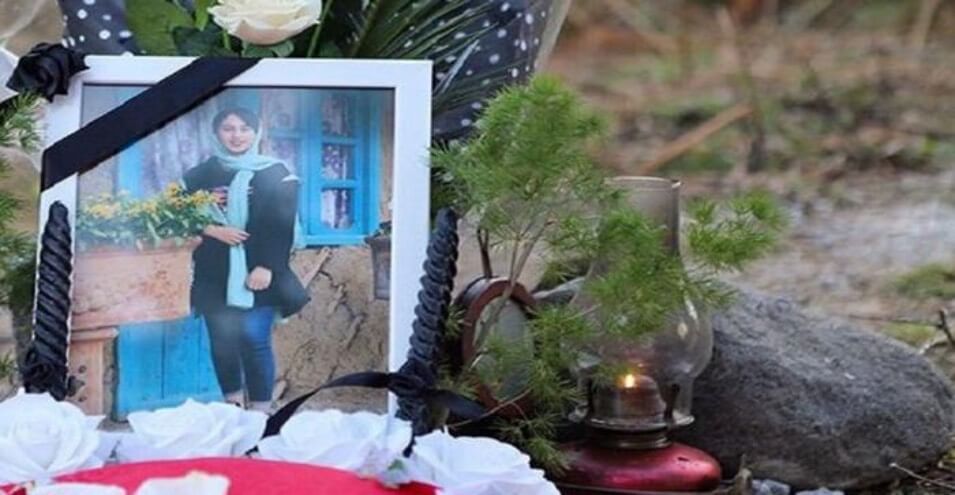
Child murder by a father or paternal grandfather is punishable by only 3 to 10 years in Iranian law, and the bill to increase the punishment for child murder is a bureaucratic mess. Romina's mother's lawyer says the killer had previously investigated the matter and was aware of his immunity.
In her latest press conference, Masoumeh Ebtekar announced that the preliminary review of the bill to ensure the security of women and families has been completed in the Bills Committee and will be presented to the public in October. Regarding the increase in punishment for incest and the murder of children by fathers, she said: “We have held legal hearings and a bill has been sent to the judiciary, which we hope will be presented to the public in the parliament for final approval as soon as possible.”
Two months ago, Ebtekar had also expressed hope that the bill would be approved soon, adding that the Women's Affairs Office had held eight jurisprudential meetings with Qom scholars over the past two years and had good interactions with them.
In mid-June 2020, the Hamshahri newspaper quoted Ayatollah Mohammad Hossein Ahmadi Shahroudi, a member of the Assembly of Experts and former deputy of the Supreme Court, as saying that a father who kills his child will not be subject to retribution: "This is a primary and unchangeable religious ruling, and not only in Shiite jurisprudence, but also Sunni scholars have voted for this ruling that a father and paternal grandfather will not be subject to retribution for killing a child, and Sunnis do not even consider the mother to be deserving of retribution for killing a child."
Other judicial and jurisprudential authorities have expressed similar views, calling it impossible to change the “basic provisions of Islam.” Accordingly, many observers believe it unlikely that the relevant bill, if passed in parliament, will pass the Guardian Council’s approval.
After the brutal murder of Romina Ashrafi with a sickle, Hassan Rouhani ordered the acceleration of the consideration of bills to eliminate violence against women. The deputy minister of justice also called for severe punishment for the killer. Romina had run away from home, but the judge handed her over to her father. The father beheaded the child and then during the trial it was revealed that he knew about immunity from the law.
The head of the judiciary had previously promised a lesson-in-the-making sentence for the murderer, but Reza Ashrafi was sentenced to 9 years in prison and payment of blood money, based on Article 220 of the Islamic Penal Code.
Ebrahim Nikdel Moghadam, the lawyer for Rana Dashti, Romina's mother, said: "Without mentioning what happened, Romina's father asked a family acquaintance who was a law student what would happen if a father killed his child, and he explained the legal punishment."
Nikdel Moghadam considered the conversations between the presiding judge and the defendant during the trial sessions as another example of the killer's awareness of punishment: "He said he killed his daughter to clear his honor. When he said this, the presiding judge said, 'If you believed that your honor was tarnished, why didn't you kill Bahman Khavari? Why did you kill your little girl in her sleep?'" He replied, "If I had killed Bahman, I would have been retaliated against."
The public reaction to the immunity of the murderer's father from the necessary punishment continues while the lawyer in the case reports the threats made by Romina's father. Ebrahim Nikdel Moghadam says: "Romina's father was very insistent on getting consent from Romina's mother... I said he shouldn't bother his client and leave her alone... When he saw that his insistence was useless, he threatened me and said I will send my brothers to you and I won't leave you alone."
Nikdel told the media that given the dangerous nature of the perpetrator and his extremely violent actions, additional punishment should have been considered for him: "This dangerous thinking also exists among Romina's father's family, and other women and children may also be victims... Romina's uncle, who incited her brother to murder and said, 'If you don't kill me, I will,' in our opinion, should be prosecuted, otherwise he may cause other bitter events."
Rana Dashti, the victim's mother, while protesting the Guilan Criminal Court's ruling, expressed concern that the father's family will take away her other six-year-old child from her through legal means. Ms. Dashti's lawyer says she can request to revoke custody of her father, and given the killer's circumstances, it is hoped that this will be possible through legal means.
Source: DW