Iran News

Oil and petrochemical workers' strikes expand despite 700 layoffs
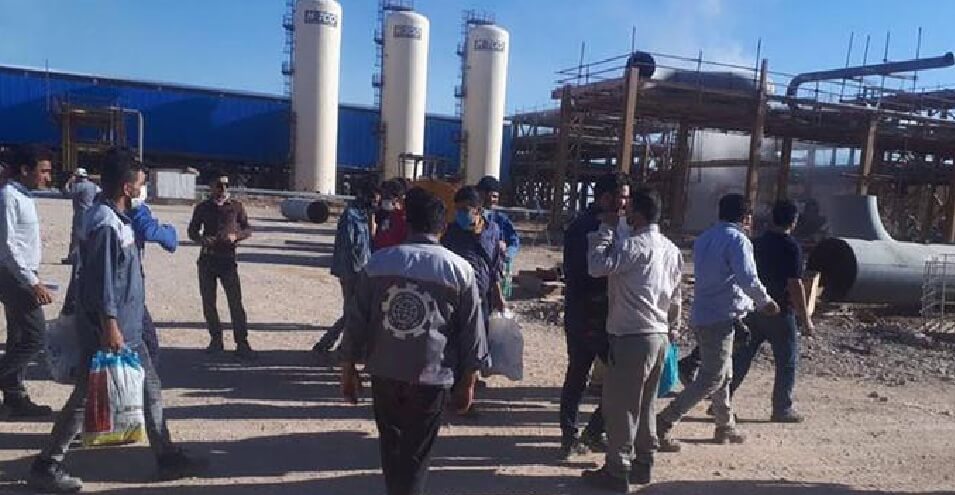
The strike of oil and petrochemical workers in various cities in Iran spread further and, despite the dismissal of 700 workers from the Tehran refinery, gained wider scope. Many workers from various industrial centers joined the “1400 Campaign.”

Workers from many refineries and petrochemical industries joined the striking workers who have been on strike and protesting for the past two days today, June 20. The spread of their movement in various cities in Iran has become one of the hottest news stories on social media since Tuesday.

But along with these protests, the repression of workers has also intensified. According to labor activists, 700 workers at the Tehran Refinery’s “overhaul” strike yesterday have been fired for their protest. News and videos posted on social media show these workers saying they protested for their salaries but were given a “settlement sheet.”

Spread of protest movements

The 1400 Workers' Campaign is for demands that have been demanded by them for a long time and have not been heard: increased wages, increased vacation and holidays to 10 days per month, better safety and health conditions, which have put workers' lives at greater risk, especially with the spread of the coronavirus pandemic.

Workers from many centers, including workers at the Mahshahr Port of the South Oil Company, workers at Assaluyeh, workers at the Damavand Petrochemical Project, workers at Kayhan Pars in Isfahan, contract workers at the Abadan Refinery, and workers at the Adish Refinery, have joined this campaign.

In one of the videos, workers at the Kangan Phase 13 power plant are seen leaving their workplace.

Another video showing Isfahan refinery workers joining the strike.

The coordinator of these protests is the “Council for Organizing Protests of Contractual Oil Workers.” Among the workers’ important demands are that contractors be removed from all oil companies and that the Equal Labor Law – Equal Wage be implemented in all refineries, petrochemicals, and oil and gas industries. Among their other demands is that wages be increased to more than 12 million Tomans and that workplace safety be improved.

The "Organizing Council for the Protests of Contractual Oil Workers" has announced that if the authorities do not respond to the workers' demands, the strike will continue, and they will link their movement to the protest of official oil workers, which is scheduled to begin simultaneously in different centers on July 29.

On Wednesday, June 25, workers of the National Iranian Oil Company held protest rallies in the cities of Abadan, Ahvaz, Mahshahr, and Asaluyeh. These rallies were held in response to a call that the official workers of the oil company had announced in advance. The official workers of the oil company had called for “the precise and fair implementation of the 1400 wage increase law and the implementation of Article 10 of the Ministry of Oil’s powers law.”

Amendments to the income tax law for employees working in difficult conditions and full payment of retirement bonuses based on the personnel's years of service without observing the 30-year bonus ceiling are among these workers' other demands.

On Wednesday, a number of labor organizations, including the Haft Tapeh Sugarcane Company Workers' Union and the Tehran Unit Company Workers' and Drivers' Union, also issued statements expressing their solidarity with the oil workers.

Last summer, workers at the Qeshm Heavy Oil Company stopped work in response to the non-payment of their demands and gathered in front of the company building. At the same time, labor strikes were launched at the Abadan, Parsian, Lamerd Petrochemical, South Pars refineries, and North Azadegan oil field to demand the payment of outstanding wages and benefits and the immediate implementation of the job classification plan.


Source: DW

Similar posts

Back to top button