Cairo Legalizes 191 Churches; Concerns Over Religious Discrimination in Egypt Persist
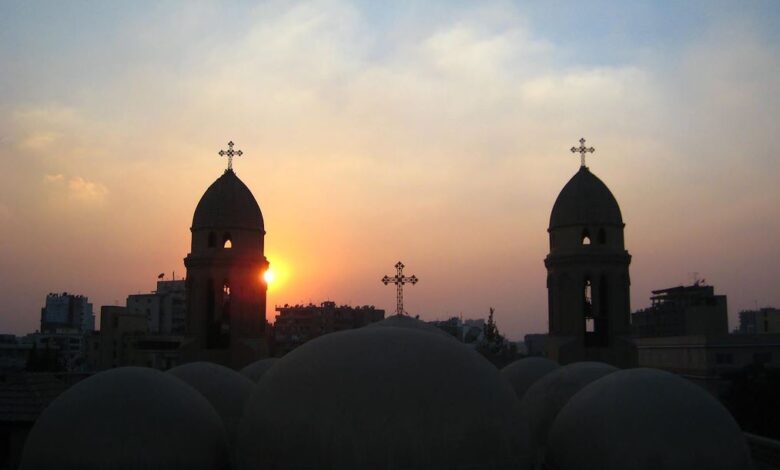
In its latest move to regulate Christian places of worship, the Egyptian government has formally recognized the legal status of 191 churches and affiliated buildings; a decision that has been welcomed by religious freedom advocates, but has simultaneously reignited discussions about structural discrimination against religious minorities in the country. The Christian Solidarity Worldwide (CSW) organization, while positively assessing this measure, has emphasized that Egypt’s government reforms should not be limited to Christian churches alone, and that other religious minorities including Bahá’ís, Shiites, and Ahmadis must also enjoy equal rights in constructing and operating places of worship.
This decision was announced following a cabinet session chaired by Prime Minister Mustafa Madbouly, bringing the total number of churches and affiliated buildings that have successfully obtained official permits since 2016 to 3,804. The current process began after the passage of the “Church Building Law” in 2016, which was intended to reduce long-standing restrictions on church construction and renovation. Prior to that, many churches had operated for years without formal permits, and obtaining approval was largely controlled by security agencies. With the implementation of the new law, some of these authorities were transferred to governors.
Nevertheless, human rights groups believe that the aforementioned law still discriminates among citizens based on religion. The CSW organization stated in its statement that this mechanism only applies to Christian churches, while minorities such as Shiite Muslims, Ahmadis, and followers of the Bahá’í faith remain excluded from its scope. Marvin Thomas, head and founder of the organization, said: “Extending these policies to other unrecognized religious groups would reflect the rights enshrined in Egypt’s constitution and President el-Sisi’s personal commitment to religious freedom and equal citizenship.”
Alongside cautious welcome for this decision, some Christian rights organizations emphasize that the problem facing Egypt’s Coptic community is not limited solely to the legal registration of churches. The International Christian Concern website, citing a Coptic Christian activist, wrote: “The issue is not just churches, the issue is our existence; the problem is not just a building, but freedom.” These reports indicate that many Egyptian Christians continue to face social discrimination, employment restrictions, security pressures, and sectarian violence, particularly in rural areas and southern regions of the country.
Some human rights organizations have also described the church legalization process as slow and dependent on security considerations. According to Coptic Solidarity reports, thousands of church registration requests have been submitted over the past years, but a significant number of Christian places of worship are still awaiting legal status determination. The report warns that continued legal uncertainty could pave the way for the closure or restriction of some churches’ activities.
Egypt, with a population exceeding 100 million, is home to the Middle East’s largest Christian community, with Coptic Christians comprising approximately 10 percent of the country’s population. Nevertheless, international bodies have repeatedly warned about the persistence of religious discrimination, difficulties in changing religion, restrictions on church construction, and the government’s weak response to sectarian violence.