From Bloody Crackdowns to Hereditary Leadership; Transfer of Power from Ali Khamenei to Mojtaba and Widespread Anger and Doubt
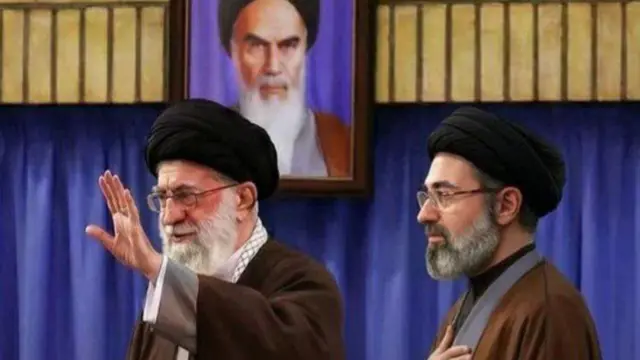
The selection of Mojtaba Khamenei following his father’s death as the third leader of the Islamic Republic occurred while many view this transfer of power as a continuation of the path of “bloody crackdowns and hereditary leadership” in Iran.
In one of the most controversial political developments in the history of the Islamic Republic, the Assembly of Experts introduced Mojtaba Khamenei, the son of Ali Khamenei, as Iran’s third leader. This decision was made just days after the death of the previous leader of the Islamic Republic during military attacks by the United States and Israel, and sparked a wave of reactions and criticisms both inside and outside Iran.
According to official announcement, the Assembly of Experts, in a session, selected Mojtaba Khamenei by majority vote as the new leader; a selection that for the first time in the history of the Islamic Republic formalized the transfer of power from father to son.
This decision was made at a time when Iran is caught in deep political and military crises, and many analysts refer to it as a sign of increasing concentration of power within circles close to the Islamic Revolutionary Guards Corps and hardline factions.
The selection of the new leader took place while the memory of severe suppression of popular protests in the months preceding it is still fresh in the minds of many Iranians.
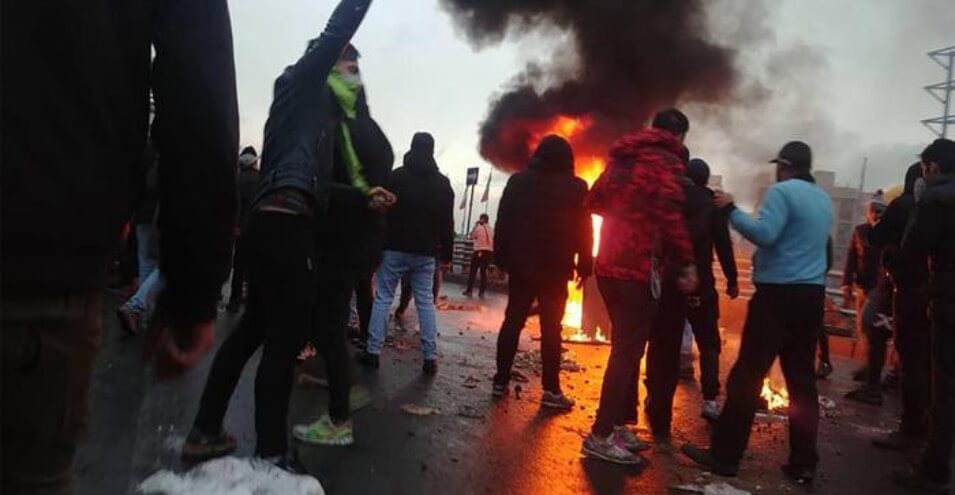
During widespread protests that formed following unrest in winter 1404 in Iran, security and military forces dealt harshly with protesters. Ali Khamenei at that time called the protesters “rioters” and emphasized that they should be dealt with.
Government critics say the order to suppress these protests was issued directly by the leader of the Islamic Republic, and this is what caused peaceful protests in many cities to turn violent.
This bloody crackdown, according to human rights activists, is considered one of the darkest chapters in the history of the Islamic Republic, and there are still many discussions about the actual scale of its victims.
Mojtaba Khamenei, who was born in 1969 in Mashhad, has operated behind the scenes of Iran’s power structure for years and is known as one of the closest figures to the Islamic Revolutionary Guards Corps.
Political analysts believe he has considerable influence among hardline conservative factions, and for this reason many expect Islamic Republic policies during his leadership to become even more radical. Some reports also suggest that he was previously associated with Basij forces and security structures and played an unofficial role in suppressing domestic protests.
The selection of Mojtaba Khamenei was met with immediate international reactions. Donald Trump, the U.S. President, in response to this news said he was not pleased with this appointment and considered the future of this leadership uncertain.
Among Iranians outside the country, reactions have mostly been critical. Some Iranian immigrants told media outlets that they do not accept his leadership and view his selection as a sign of the Islamic Republic transforming into a type of hereditary government. In contrast, the Islamic Revolutionary Guards Corps and some Iranian officials issued statements expressing support for the new leader and emphasized complete obedience to him.
For many observers, the most important aspect of this development is not only the change in leadership, but the manner of the transfer of power. Critics say the selection of the previous leader’s son, especially in a structure that was supposed to be run based on religious and legal criteria, is more than anything reminiscent of hereditary patterns in monarchical governments.
For this reason, some analysts have referred to this development as “monarchy in the guise of the Islamic Republic”; a description that shows that even within Iranian religious society, serious questions have been raised about the legitimacy of this transfer of power.
While Mojtaba Khamenei has now assumed power as the new leader of the Islamic Republic, many believe Iran’s future is more uncertain than ever; a country facing both deep internal crises and severe regional tensions.
Government critics also say that as long as the issues of suppression of protests, human rights violations, and concentration of power in the hands of a limited circle are not resolved, a mere change of the leader’s name alone cannot alter Iran’s future course.