New UN Revelation: Islamic Republic Pushing Protesting Prisoners Toward Execution
A new UN revelation about the Islamic Republic shows that the government, amid military crisis and regional instability, is driving protesting prisoners toward execution through expedited judicial processes.
As Iran faces mounting military tensions and regional conflicts, a research body affiliated with the United Nations has warned that a large number of prisoners in Iran—particularly individuals arrested during nationwide protests—face serious danger of execution sentences. This new warning has once again drawn the attention of the international community to the human rights situation in Iran and the harsh treatment of opponents by the Islamic Republic.
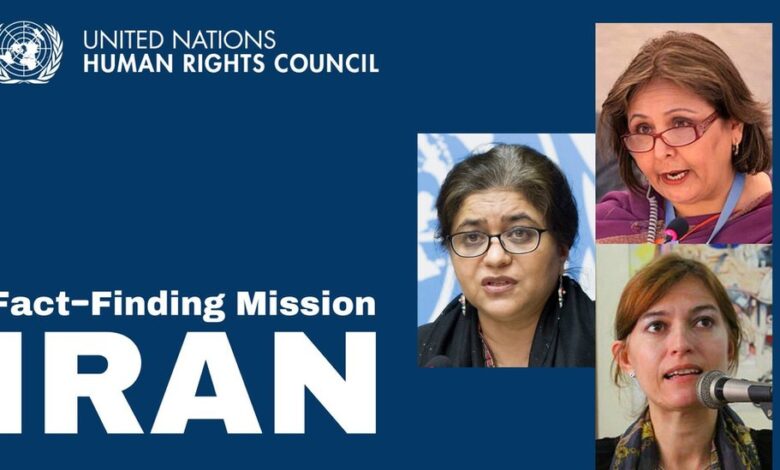
The warning has been issued by the Independent International Fact-Finding Mission on Iran, a body formed by order of the UN Human Rights Council to investigate cases of human rights violations in the suppression of protests. The team of experts has stated that they have received multiple credible reports showing that prisoners held in the custody of Islamic Republic security institutions face conditions far more dangerous than before.
The statement from this mission reads: “Several others also face the risk of execution through proceedings that violate international standards of fair trial, legal due process, and the right to life.”
According to these experts, one of the main concerns is the government’s use of rapid and non-transparent judicial proceedings that may lead to death sentences for detained protesters. Experience from recent years has shown that courts referred to as “revolutionary” in Iran have repeatedly issued severe sentences, including execution, without observing principles of fair trial.
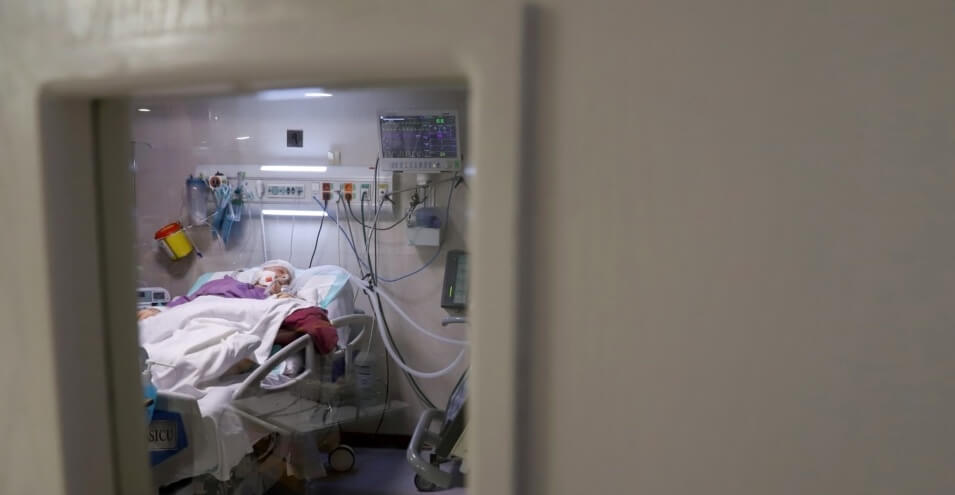
The mission has warned that many prisoners, especially those arrested during widespread protests in various Iranian cities, may face torture, ill-treatment, and even enforced disappearance during detention. According to international law, such actions constitute serious violations of human rights.
UN experts have emphasized that the current situation of prisoners in Iran occurs in circumstances where the government has a documented history of severe suppression of popular protests. In recent years, numerous reports by human rights organizations have been published regarding widespread arrests, show trials, and the use of execution as punishment against protesters.
According to UN investigators, Iranian citizens now find themselves in a situation where they face, on one hand, the consequences of an expanding military crisis, and on the other, a government with a long history of violating fundamental rights of the people. These circumstances have increased concerns about the security and future of political prisoners and detained protesters.
Concurrently with these developments, regional tensions have also intensified. Reports indicate that exchanges of attacks between Iran, Israel, and the United States continued for several days and increased the risk of escalation into a regional war. Such conflicts could involve more countries in the Middle East, including some countries in the Persian Gulf region.
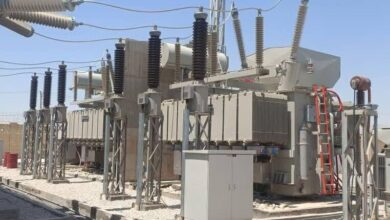
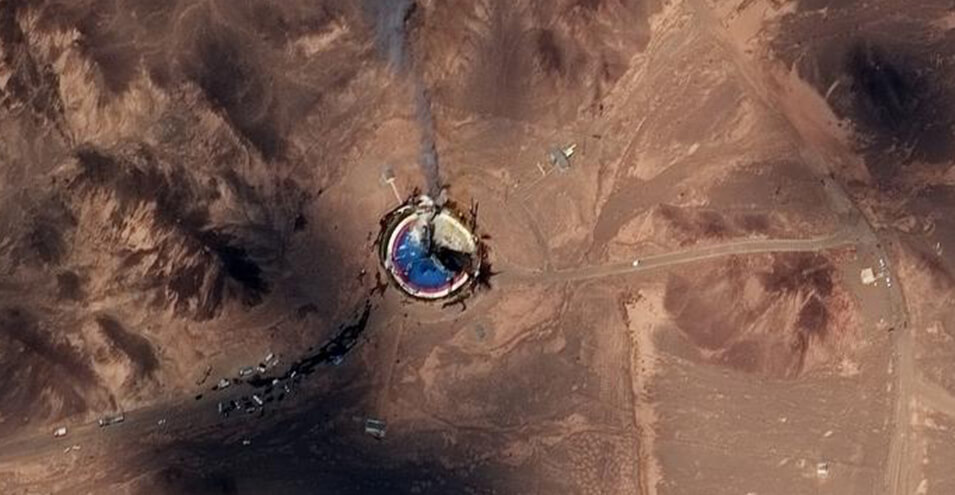
The UN Fact-Finding Mission has also expressed concern about retaliatory attacks by the Islamic Republic against targets in the region and warned that these actions have resulted in civilian casualties and destruction of civilian infrastructure.
The statement emphasizes: “All parties engaged in this conflict are obligated to respect international humanitarian law.”
UN experts have reminded that any military operation must respect fundamental principles of humanitarian law, including distinction between military and civilian objectives, proportionality in the use of force, and adoption of precautionary measures to protect civilians.
Among published reports, some sources have reported deadly attacks on civilian areas. In one of the deadliest reported incidents, a missile is said to have struck a school in Minab in southern Iran, an incident that, according to reports, resulted in the death of more than 150 students and teachers and injured many others. This event has raised widespread concerns about the safety of civilians during the ongoing conflicts.
However, UN experts have emphasized that beyond threats from war, the lives of prisoners are also at direct risk. According to them, potential attacks on detention centers could create a humanitarian catastrophe. This concern has been raised with reference to a previous attack on Evin Prison in Tehran in June 2025, an attack that posed serious dangers to prisoners.
Another focus of criticism by this mission is widespread internet and communications blackouts in Iran. UN experts have stated that this measure not only limits citizens’ access to vital information about attacks and security conditions, but also deprives families of the ability to contact detained relatives.
According to them, in critical circumstances, free access to information can be vital for citizen security and relief operations. Communications blackouts place society in a state of isolation and also reduce the possibility of independent monitoring of the human rights situation.
In conclusion, the UN Fact-Finding Mission has called on member states of the organization to take immediate diplomatic measures to reduce tensions and prevent escalation of the crisis. These experts have emphasized that the only way to protect the rights of Iranian people is to achieve sustainable peace based on full respect for international law.
The statement from this mission reads: “Sustainable peace based on full respect for international law, including international human rights law and the UN Charter, is the only lasting way to protect the rights of the Iranian people.”
The Independent International Fact-Finding Mission on Iran was first established in November 2022 by the UN Human Rights Council to investigate cases of human rights violations related to suppression of protests that began in September of that year. The mission’s mandate was extended in January 2026 for an additional two years to continue investigations into allegations of ongoing widespread human rights violations in Iran.