When Iranian Blood is Not a Matter of Negotiation, Gaza and Nuclear Program Become the Islamic Republic’s Diplomatic Shield
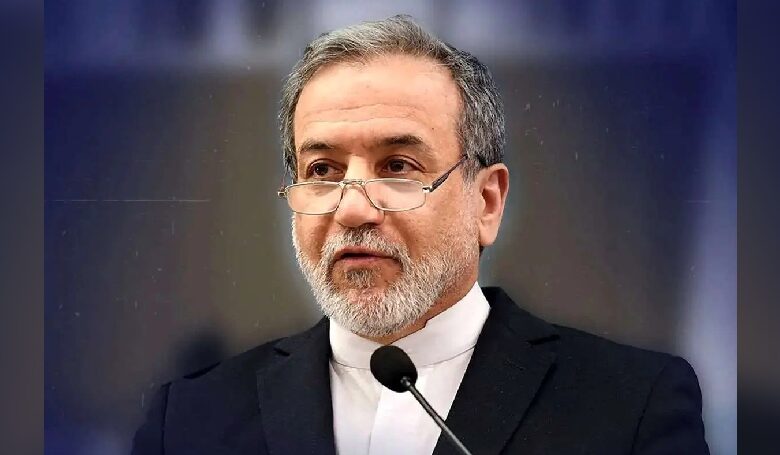
Iranian blood has been removed from the agenda of negotiations, and the Islamic Republic has turned Gaza and its nuclear program into a diplomatic shield, a sign of the Islamic Republic’s aberrant diplomacy.
While, according to multiple human rights reports, a fresh wave of suppression, widespread arrests, torture, suspicious deaths in prisons, and executions of protest detainees have been ongoing in Iran for the past month, Islamic Republic officials have focused their main attention not on citizens’ security, but on nuclear negotiations, the missile program, and the Gaza crisis; a clear gap between the bloody reality inside Iran and the government’s diplomatic priorities.
In this regard, “Seyyed Abbas Araghchi,” the Islamic Republic’s Foreign Minister, said in an interview with Al Jazeera: “Negotiations with Washington were a good start, but there is a long way to go to build trust between us.” He added: “The negotiations were indirect and we only dealt with the nuclear issue.”
These statements come at a time when the issue of domestic suppression, killing of protesters, and the condition of political prisoners have been effectively removed from the agenda of these negotiations; a matter that was supposed to become one of the main axes of Iran-US talks, especially after widespread popular protests and the Islamic Republic’s crimes against the Iranian people.
Araghchi, emphasizing the Islamic Republic’s confrontational policies, said: “Enrichment is our legitimate right and must continue; even with bombing, they could not destroy our capabilities.” He also said regarding military power: “The missile issue is never negotiable, because it is a defensive matter.”
He also stated in a threatening tone: “We do not attack neighboring countries, but we target American bases in those countries; there is a big difference between these two issues.”
Araghchi also clarified: “If Washington attacks us, there is no possibility of attacking American soil, but we will attack their bases in the region.”
These positions are expressed while the security of the Iranian people, who have been direct victims of the government’s repressive policies in recent weeks, has no place in any of these statements; people whose detainees, according to reports, are dying one by one in prisons or facing hastily issued death sentences.
Araghchi, who headed to Qatar after the latest round of Iran-US negotiations in Oman concluded, focused the main emphasis of his remarks on Palestine and Gaza at the opening panel of the Al Jazeera 2026 Conference and said: “Palestine is not one of many issues.”
He called Palestine “the decisive issue of justice in West Asia” and added: “What we are witnessing today in Gaza is not merely war; this is the deliberate and extensive destruction of civilian life. This is genocide.”
The Islamic Republic’s Foreign Minister, continuing with an emotional tone, spoke of the suffering of civilians in Gaza and stated that this situation “has wounded humanity’s conscience” and even referred to the sympathy of followers of different religions.
However, this sympathy and moral concern in his statements never applies to the Iranian people; people who, at this very same time, are facing bullets, batons, torture, heavy judicial sentences, and death in detention centers. A contradiction that critics consider a sign of the Islamic Republic’s reversed and deliberate priorities.
In another section of his speech, Araghchi spoke of “Israel’s expansionist project” and “doctrine of domination” and called for comprehensive sanctions, arms embargoes, and suspension of military cooperation with Israel. He also emphasized the necessity of “accountability for crimes” and “non-discriminatory implementation of international law.”
This is while the Islamic Republic itself faces serious cases in international bodies due to bloody suppression of protests, execution of protesters, and systematic violations of human rights; however, its officials evade accountability for domestic crimes in negotiations and global forums.
Critics say the Islamic Republic’s diplomacy has effectively become a tool for diverting public opinion: “Negotiating about enrichment and missiles, giving speeches about Palestine and Gaza, and in contrast, complete silence about the blood shed in Iran’s streets and prisons.”
While Iran-US negotiations are currently centered on the nuclear program, missile capability, and regional developments, this fundamental question remains unanswered: “Where exactly is the security of the Iranian people, the lives of protesters, and citizens’ right to life in this diplomacy and these negotiations?”