Untreated Blood: A Regime That Abandons Even the Wounded
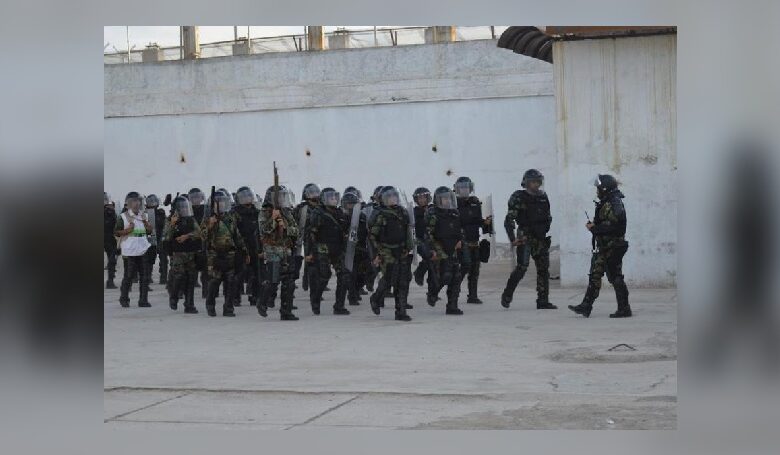
The Islamic Republic regime has prohibited prison doctors from treating and providing care to the wounded from protests.
A recent report by Iran Human Rights organization presents a shocking picture of the ruthless suppression of protesters in the city of Shiraz and humanitarian conditions in Adel Abad Central Prison, revealing that not only have security forces targeted protesters with bullets, but they have also prevented the treatment of the wounded and ordered the medical staff in the prison: “You are not allowed to treat the injured so that they die from bleeding.”
During nationwide protests in December 1404, particularly on the 17th of December, in the Mahalati-Abad and Farhangiyan neighborhoods of Shiraz, a wave of arrests occurred in which an estimated over 1,000 people were arrested, and many of them were transferred to unsuitable basements of Adel Abad Prison and affiliated detention centers.
The detainees include teenagers between 16 and 18 years old, some of whom have been severely injured, including reported cases of loss of vision, spinal cord rupture, and severe buckshot wounds.
One of the shocking aspects of the report is that security forces ordered prison medical staff that the wounded inside the prison have no right to medical treatment so that instead of receiving medical care, those who have suffered wounds die from bleeding. It is noteworthy that even one of the prison doctors named “Dr. Jafarzadeh” has been arrested for insisting on providing care to the wounded.
This conduct constitutes a clear violation of human rights and the right to immediate and humane medical care; a phenomenon that independent reports have previously documented regarding the refusal to provide medical care to political prisoners in Iran, considering it a blatant violation of the right to life and human dignity.
Iran Human Rights organization emphasizes that the official statistics released by the government are far lower than reality, and the statistics from this human rights body are still incomplete; however, to date, media estimates have put the death toll at over 20,000 people.
This striking discrepancy in statistics, which has also been reflected in international reports, shows that the scope of suppression and violence against protesters is far more extensive than what the government claims.
Following these reports and other human rights accounts of violence in Iran, the United Nations Human Rights Council will hold an emergency session on Iran’s situation with the support of at least 21 member countries to address “concerning acts of violence” against protesters.
This session seeks to focus international attention on systematic human rights violations and send a clear message to the Iranian government that suppression and violence against citizens must stop.
Other human rights organizations’ reports, such as “Human Rights Watch,” have also spoken of an unprecedented massacre of protesters across the country, but internet shutdowns and severe restrictions on access to information have obscured the true extent of these crimes.
The report from Iran Human Rights organization and international evidence attest to the suppression of protesters and gross violation of fundamental human rights. The refusal to provide medical treatment to the wounded is not only a maddening indifference to human suffering, but it has clearly become a tool for killing and silencing the voice of protest. The international community is now in a position where it must not only listen to the reports but must take concrete action to hold those accountable and stop these acts of violence.