Iranian Christians at Center of Egregious Human Rights Violations and Intensified Repression Following 12-Day War
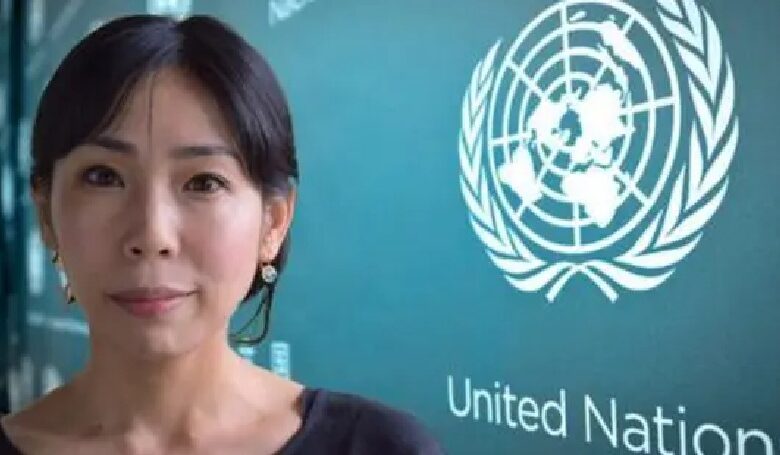
“Mai Sato” reported on intensified repression following the war and widespread detention of Christian citizens; repression that reflects a dire situation for religious freedom in Iran.
At a recent session of the Third Committee of the UN General Assembly, “Mai Sato,” UN Special Rapporteur on human rights in Iran, warned of intensified repression of civil society and religious minorities in Iran, particularly following the 12-day war between the Islamic Republic and Israel.
In her remarks, she said: “During this period, widespread arrests of journalists, human rights defenders, and members of religious and ethnic minorities, including Christians, have intensified.” According to her, following the clashes, the Iranian government has further restricted civil society space, and many civil activists and members of religious communities, including Christians, have been arrested on charges of espionage or collaboration with Israel.
Before Ms. Sato, “Sara Hussein,” chair of the UN Fact-Finding Committee on Iran, also stated: “Since the beginning of the war, civil space has become increasingly restricted and members of ethnic and religious minorities, including Baháʼís, Christians, Jews, Kurds, and Balochs, have been arrested on charges of collaboration or espionage.”
Meanwhile, the Islamic Republic’s Ministry of Intelligence announced that it had arrested 53 Christian citizens on charges of “anti-security activities.” The ministry claimed that those arrested had been operating under the guise of a Christian missionary movement with Zionist leanings and had received training abroad. The ministry also added: “The activities of these organizations have been neutralized.”
In September, eleven UN Special Rapporteurs, including Mai Sato and Nazila Ghanea, in an official letter to the Islamic Republic, expressed concern about widespread and systematic human rights violations in Iran. The letter referenced the arrest of civil activists, repression of religious minorities, and an increase in executions.
The UN Fact-Finding Committee reported that human rights violations in Iran during the 12-day war with Israel significantly increased. The report stated that over 21,000 people, including lawyers, human rights activists, and journalists, were arrested during these events.
Mai Sato emphasized that the Iranian people have suffered both from “external attacks” and from “internal repression” that intensified afterward. She added: “These military attacks have caused immense suffering, suffering that deserves compensation and reparations.” She also stated that these attacks constitute a clear violation of the UN Charter.
Iran’s representative responded by, as in the past, dismissing criticisms regarding the human rights situation in Iran as “baseless” and rejected them.
Sara Hussein, in another section of her report, said that repression of ethnic and religious minorities in Iran has intensified under the pretext of “maintaining national security.” Both she and Mai Sato warned about increasing executions and dire prison conditions and spoke of the dangerous situation of political and conscientious prisoners.
According to them, following Israel’s attack on Evin Prison, many prisoners were removed from the facility only at gunpoint and in handcuffs, and their families remained unaware of their fate for weeks.
In her official report titled “Situation of human rights in the Islamic Republic of Iran” (document number A/HRC/58/62), presented to the UN Human Rights Council, Mai Sato raised the following points:
- Significant increase in executions and the use of capital punishment as a tool of repression.
- Structural and systematic discrimination against religious minorities, including Christians, Baháʼís, and Sufis.
- Violations of freedom of religion, expression, assembly, and association.
- Torture, sexual harassment, and pressure on conscientious prisoners.
- Widespread neglect of medical and health conditions of prisoners, particularly women and minorities.
In this report, she called for immediate action by the Iranian government and presented a set of key recommendations as follows:
- Immediate cessation of execution of sentences, particularly against prisoners of religious and conscientious minorities.
- End arbitrary detention, torture, and prolonged detention without fair trial.
- Ensure freedom of religion and conscience and repeal vague laws that criminalize religious activities.
- Grant full and unconditional access for the Special Rapporteur to Iran to directly investigate the situation of prisons and civil society.
- Immediate reform of legal provisions related to national security that are used to justify the arrest of Christian citizens and other minorities.
- Ensure medical and humanitarian services for prisoners in accordance with international human rights conventions.
Mai Sato also called on the international community to support Iranian victims and provide them with asylum by granting humanitarian visas to those who have fled the country due to their faith or beliefs.
Representatives of Britain, Canada, the Netherlands, Germany, Switzerland, and the European Union responded to Sato and Hussein’s reports by strongly criticizing the situation of religious minorities in Iran. Britain stated that “minorities have been disproportionately targeted for harassment, arrest, and arbitrary detention.”
The European Union representative spoke of “systematic discrimination” and the Netherlands described the current situation as “an example of organized and systematic repression.”
Recent UN reports, including Mai Sato’s statements, present a clear picture of expanding repression in Iran; repression that has also affected the Iranian Christian community. While the Iranian government dismisses any criticism, available evidence shows that arrests, torture, executions, and pressure on conscientious prisoners continue, and the international community must act more than ever to defend freedom of faith and conscience in Iran.