“Charlie Anwia Tekya”: Artificial Intelligence Regulations Should Not Violate National Sovereignty
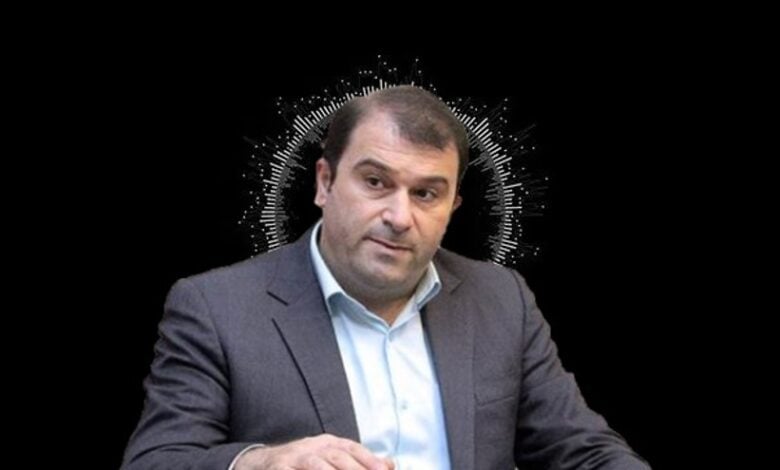
“Charlie Anwia Tekya,” representative of Christians, spoke about artificial intelligence regulations that should not lead to the violation of national sovereignty of countries.
Charlie Anwia Tekya, representative of Assyrian and Chaldean Christians in the Islamic Consultative Assembly, speaking at the meeting of the Permanent Committee on Democracy and Human Rights of the Inter-Parliamentary Union in Geneva, regarding artificial intelligence regulations and democracy, said: “The draft resolution before us is a commendable effort to address the profound impacts of artificial intelligence on democracy, human rights, and the rule of law. However, we believe that considering the different capacities and priorities of developed, developing, and least developed countries, we should strengthen the text.
Many countries, particularly those with more limited resources, may face challenges in regulating and making effective use of artificial intelligence. Furthermore, emphasizing the principle of national sovereignty in any discussion related to artificial intelligence is very important. The creation of regulations and deployment of artificial intelligence should not violate the national sovereignty of countries or interfere in their internal affairs. Therefore, artificial intelligence should be a tool to strengthen the capabilities of states for independent and effective governance. Artificial intelligence frameworks should respect each country’s right to self-determination while promoting innovation and governance at the national level.”
Charlie Anwia continued his remarks on this matter, saying: “Artificial intelligence, in addition to the opportunities it creates, also brings challenges. This technology can help government institutions make more effective and informed decisions by analyzing data faster and more accurately, which facilitates the efficiency of public policies. However, misuse of this technology and the presentation of incorrect and unrealistic data can result in harming societies and states in decision-making areas.
Moreover, any regulations in the field of artificial intelligence should comply with the principles contained in the Tunis Agenda for the Information Society and the Geneva Principles Statement. These documents emphasize the importance of increasing international cooperation, trust, and security in digital technologies. Therefore, any global framework for artificial intelligence should promote cooperation, use of shared knowledge and resources to create an inclusive and equitable digital vision. Ensuring transparency, security, and trust in artificial intelligence systems is necessary to prevent misuse and build global trust.”
The representative of Christians, while referring to existing challenges in governments, continued: “We should not ignore the important challenges arising from unilateral coercive measures. The continued use of these measures has reduced the ability of affected governments to effectively allocate limited resources and not only weakens sustainable development in these countries but also prevents their effective participation in the global digital economy.
Unilateral coercive measures, by restricting access to advanced technologies in developing countries, particularly in the field of artificial intelligence, deepen the digital divide. Therefore, we firmly believe that any resolution on artificial intelligence should address the destructive impacts of such measures, as unilateral coercive measures prevent true cooperation, development, and innovation in the world and undermine sustainable development.”