Mahsa Amini; Widespread Social Media Response to Guidance That Led to Brain Death
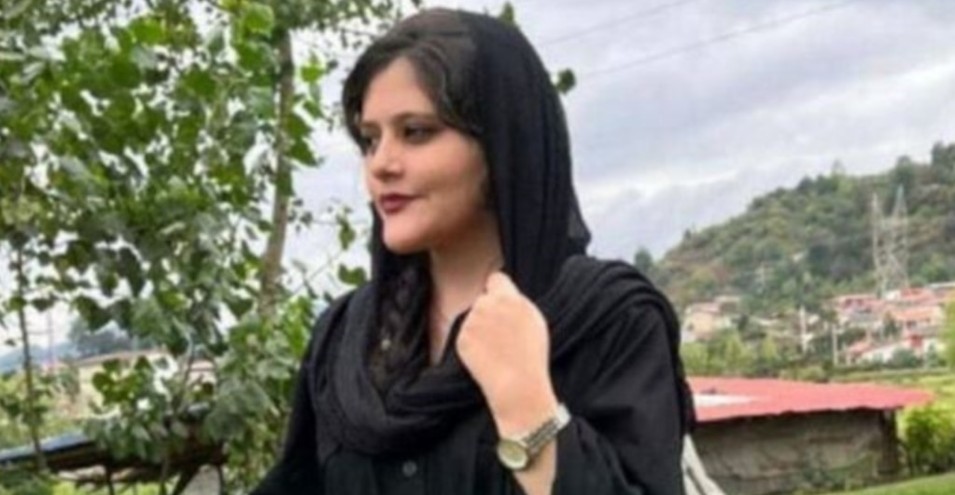
Following the widespread circulation of an image of Mahsa Amini on a hospital bed on social media, reactions from prominent domestic and international figures to the violent treatment of women over the issue of mandatory hijab have intensified.
Mahsa [Jina] Amini was a 22-year-old woman who had come to Tehran with her family from Saqqez to visit relatives. After being arrested by the morality police and transferred to the Vezarat detention center, she fell into a coma as a result of beatings by “law enforcement officers.”
Lea Remini, an actress famous for popular television series in America, is among those who have reacted to the beatings of this young woman over compulsory hijab.
Ms. Remini, by posting a photo of Mahsa, tweeted: “Mahsa Amini, 22, has fallen into a coma after torture by Iranian authorities.”
She added: “This action is unacceptable in any case, but the fact that she was arrested for improper hijab makes it even more horrifying. Please join me in sharing her name and story.”
Ali Karimi, Iran’s football star, also tweeted by posting an image of Ms. Amini on a hospital bed: “The future of Iranians is a woman.”
Mr. Karimi also wrote in another tweet, indirectly alluding to the migration of the wealthy abroad: “Their children are leaving, our children are dying.”
Jalal Rashidi Koochi, a member of parliament, on Friday, the 25th of Shahrivar, promised the people to pursue the matter and provide transparent information on this issue.
He told ISNA news agency: “The fact that we so easily harm a young girl who could have lived for years and her family in this manner is unacceptable… We will definitely pursue this matter specially and will report the results transparently to the people.”
Abdollah Ramezanzadeh, spokesperson of Mohammad Khatami’s second government and Iran’s former president, also wrote on Friday: “What kind of guidance is this that leads to death? You are truly turning the meaning of words upside down.”
The police violence against this young woman, who was on the street with her brother, has also faced critical reactions from some system-supporting figures on social media.
The hashtag Mahsa Amini has been trending on Twitter, and several rooms have been opened about it on other platforms including Clubhouse.
Mahsa Amini’s brain death, coupled with extensive government propaganda about Arbaeen ceremonies, has provoked severe criticism of these ceremonies and the enormous spending for commemorating historical narratives while simultaneously ignoring the lives of Iranian citizens.
Public anger over Mahsa Amini’s coma has been so great that some Karbala pilgrims have also criticized the violent treatment of women over the hijab issue.
Bleeding from the ear and discoloration under the eyes are common signs of “skull base fracture,” which occurs due to blows to the head. In young people, the most common cause of skull base fracture after accidents is head impact with a hard object or surface, which can be identified in forensic medicine. In stroke, otorrhagia (bleeding from the ear) is not observed.
Jalil Rahimi Jahanbadi, a member of the parliament’s National Security Commission, wrote in his Twitter account that “the safety and security of people’s lives takes precedence over any guidance,” and parliament should examine this matter carefully.
However, the Greater Tehran Law Enforcement Force made no mention of Mahsa Amini’s beatings in its statement and claimed that she suddenly suffered a heart condition during a “guidance class.”
Source: Radio Farda