UN Experts Call on Iran to Repeal ‘Family Support and Population Youth’ Law
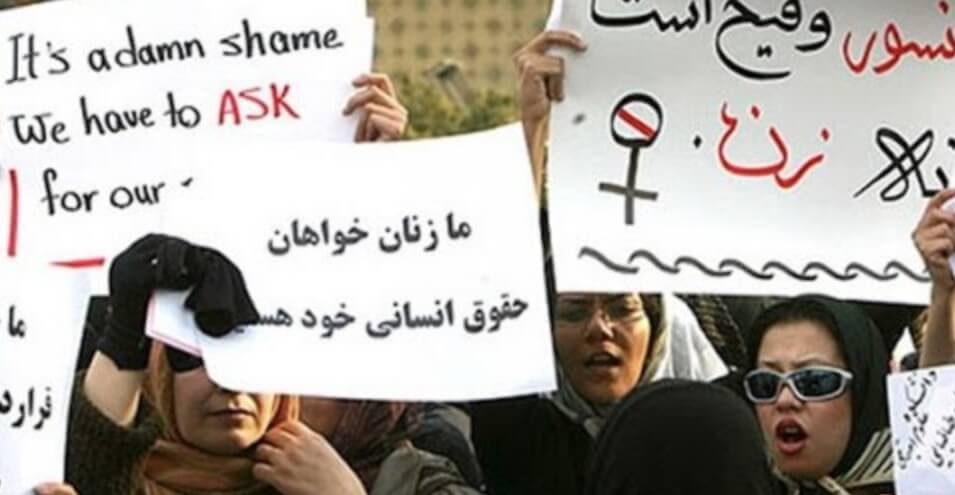
United Nations experts issued a statement calling on Iran to repeal the “Family Support and Population Youth” law, declaring that the law constitutes a direct violation of women’s human rights.
In a statement released on Tuesday, the UN experts criticized the severe restrictions imposed on access to abortion and contraceptive methods and tools under this law, describing it as “a direct violation of women’s rights under international law.”
The UN experts’ statement also noted that according to one clause of this law, if abortion is performed on a large scale, it is considered “corruption on earth,” which carries the death penalty.
By drafting such a law, the Iranian government has taken further steps to use criminal laws to increasingly restrict women’s rights.
Ebrahim Raisi, Iran’s president, transmitted the “Family Support and Population Youth” law to the Ministry of Health for implementation on Monday. The law, which was passed by parliament, is aimed at increasing marriage, childbearing, and population growth in Iran.
Human Rights Watch also criticized the law passed by the Iranian parliament last week for increasing the population, stating that the law further violates women’s rights and endangers their health and lives.
This bill, which grants certain employment and financial benefits to individuals with children, makes contraception and abortion “restricted and prohibited” in Iran.
Population control policy with the slogan “fewer children, better life” had been on the agenda of the Islamic Republic for years since the presidency of Akbar Hashemi Rafsanjani, but Supreme Leader Ayatollah Ali Khamenei deemed this policy “wrong” in 2012, saying: “The country’s officials made a mistake in this regard, and I myself am also complicit.”
The encouragement of the highest-ranking officials of the Islamic Republic for childbearing and the continuation of population growth policy comes at a time when Iran is facing major challenges such as water scarcity, unemployment, and poverty.
Source: Voice of America