Families of Protesters “Released”; Interior Ministry Deputy Calls November Protesters “Riffraff”
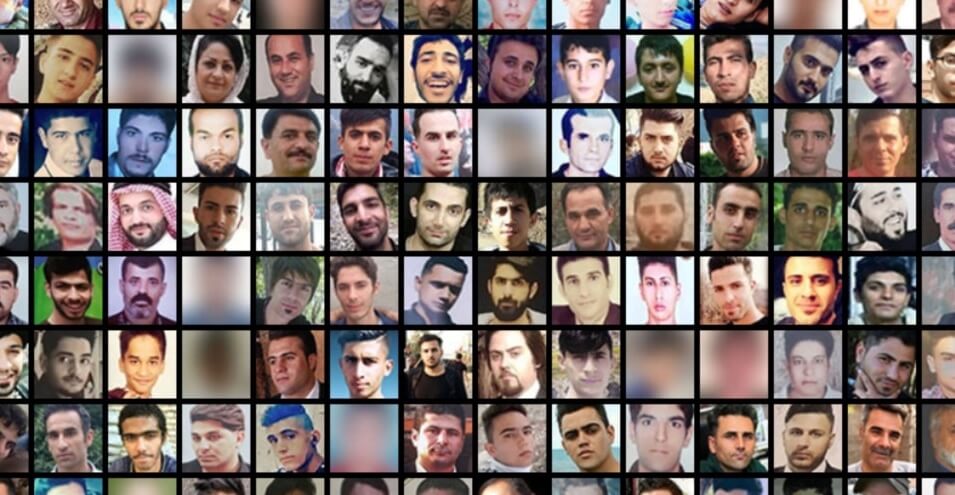
While news has emerged about the release of families of detained protesters in Isfahan, Mohammad Javad Kolivand, parliamentary deputy of the Interior Minister, has called November 2019 protesters “riffraff” and denied the Interior Minister’s responsibility in the killing of protesters.
One day after news of the detention of families of some victims of protests in Isfahan was published, social media reports indicate that they were released on Thursday.
Meanwhile, Mohammad Javad Kolivand, parliamentary deputy of the Interior Minister, has called for legal action against a parliamentary representative who had demanded the impeachment of the Interior Minister, saying his hands were “stained with the blood of the people.”
According to reports from Iranian domestic media, Ahmad Alireza Beigi, representative of Tabriz in parliament, said on Wednesday that the Interior Minister is not qualified to serve in this position and his hands are stained with the people’s blood.
He also referred to statements by Iran’s National Security Council Secretary who recently said that the damages inflicted on the country during the November 2019 events “were preventable and did not have to happen, and the Interior Minister’s responsibility in this matter is evident.”
In response to these remarks, Mohammad Javad Kolivand, parliamentary deputy of the Interior Ministry, called the Tabriz representative’s statements “baseless claims and false accusations” and said: “In confronting the movement of riffraff, unfortunately a number of citizens and security personnel were killed.”
The November 2019 protests, which initially were a reaction to the sudden increase in gasoline prices, quickly changed direction and targeted the Islamic Republic government. However, these protests were met with severe suppression, resulting in hundreds of deaths.
Iran’s Interior Minister said that between 200 to 225 people were killed in these protests, but Amnesty International, by announcing the details of at least 304 victims, emphasized that the number of those killed may be far greater than this figure.
However, Reuters news agency, while reporting that at least 1,500 people were killed in the November 2019 protests, wrote citing “three sources close to Khamenei’s inner circle” and “a fourth official” that the Supreme Leader of the Islamic Republic told senior government officials to do “whatever is necessary to stop” the protests.
Previously, officials at various levels of the Islamic Republic had also called November protesters “riffraff.”
Among them, Ayatollah Khamenei on the morning of November 17, 2019, two days after the protests against gasoline price increases began, by calling the protesters “villains,” asked “those responsible for maintaining the country’s security” to “carry out their duties.”
Yadollah Javani, political deputy of the Revolutionary Guards, also called protesting people an “enemy force” and “riffraff” and said that the “enemy” identifies these individuals “through cyberspace” and if gasoline had not become more expensive, “it was intended to bring its forces into the scene by the end of the year.”
However, families of those killed in November, in interviews with Radio Farda, said that not only have their complaints to identify their children’s killers remained unanswered and they have been asked to close the case by receiving blood money, but they have also been pressured to declare their loved one as a martyr and place responsibility for their killing on the shoulders of protesters.
These pressures continue, and on Wednesday, April 8, a bus carrying families of some victims of street protests in recent years in Iran was stopped and at least 22 of them were arrested when returning from the cemetery of Asaad Bakhtiari, from Iranian constitutionalists. Reports indicate their release.
Source: Radio Farda