Insulin Shortage Crisis Returns; Poor-Quality Insulin Imported from China and Price Disputes
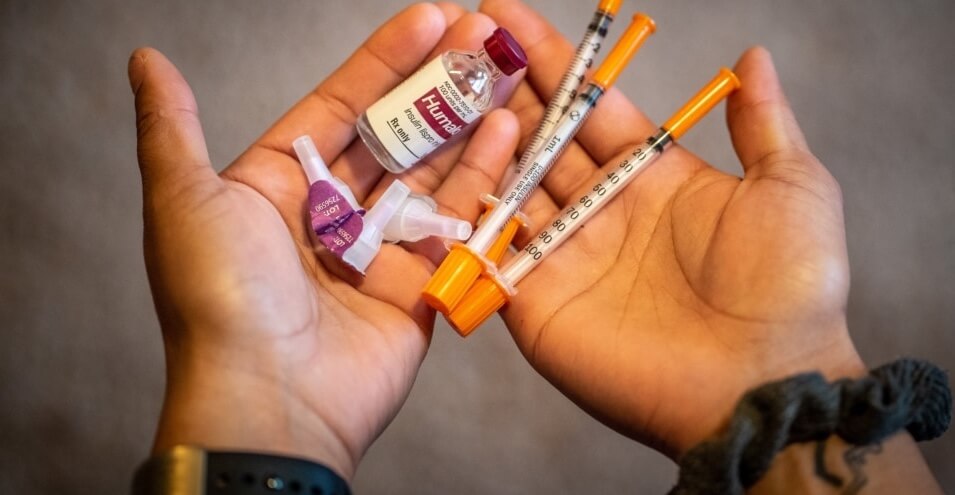
Reports from Iranian domestic media indicate a recurring crisis and scarcity of insulin in East Azerbaijan, Kerman, Tehran, Razavi Khorasan, and Semnan provinces.
MohammadReza Shanesaz, head of the Food and Drug Organization, stated on March 27 that “limited foreign currency resources and failure to allocate sufficient and timely currency by the Central Bank” was the cause of the problem. However, Hamshahri newspaper in a report published on Sunday, March 31, identified disputes between importers and sellers over the price of imported insulin as a major issue.
According to this report, insulin importers have brought insulin from China, Turkey, Denmark, and France. The fact that imported insulin from Turkey is cheaper than samples imported from Denmark and France, and sellers’ disagreements over selling prices, has disrupted the distribution process.
According to the report, the Iranian government has also imported insulin from China, but “doctors had emphasized it should not be used because it causes severe drops in blood sugar.”
The report states that the Iranian type of insulin “is the same Chinese insulin that is assembled in Iran,” and the Iranian government, which easily imports medicine from China, does not prioritize the quality of this medicine.
On December 25 of this year, Heydar Mohammadi, director general of pharmaceuticals at the Food and Drug Organization, stated that the country only has one month’s supply of insulin, while it should have a three-month reserve.
In October and November of this year, the scarcity of insulin pens in Iranian pharmacies created a wave of concern among diabetic patients and their families, and even led to the formation of a black market for insulin in the country, to the point where this medicine was sold at eight times the pharmacy price on the black market.
Simultaneously with the insulin crisis in the fall of this year, Mahmoud Najafi Arab, head of the Health Economy Commission of the Iran Chamber of Commerce, also told the Trade News website in late October that “one and a half times the country’s insulin needs have been imported,” but the shortage is due to “reverse smuggling” and “illegal export of insulin” from Iran to other countries.
He did not specify the destination of reverse insulin smuggling, but said the cause was the allocation of 4,200 tomans per dollar exchange rate and import of cheap medicine, and then some individuals “at the free market dollar rate” sell imported medicines to customers in other countries.
According to official statistics, there are approximately five and a half million diabetics in the country, and currently more than 600,000 of them need to use insulin daily.
The insulin shortage crisis has recurred periodically over the past six months, while officials at the Iranian Ministry of Health have stated that the likelihood of death in COVID-19 patients, if infected with coronavirus, is 1.5 to three times that of other people.
Source: Radio Farda