Corona in Iran; Death toll surges dramatically in past 24 hours

The official death toll from coronavirus in Iran reached a record of 415 people in a single 24-hour period, which compared to the official figures from the previous day of 346 people, represents an explosive spike.
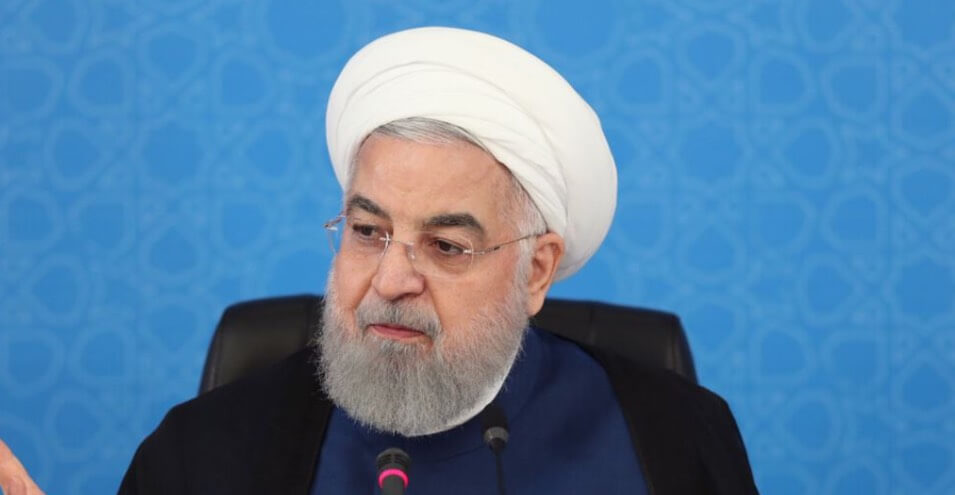
The spokesman for Iran’s Ministry of Health, who announces daily official statistics on coronavirus cases and deaths, declared on Wednesday, the 7th of Aban, that 415 more people had died from the disease in the past 24 hours, bringing the total official death toll to 33,714 people.
Sima Sadat Lari also reported the identification of 6,824 new patients during this period and said the total number of confirmed cases in Iran has reached 588,648 people.
Stating that 27 provinces remain in the red zone, she said more than five thousand coronavirus patients “are under special care in severe condition from the disease.”
The official statistics announced by the Ministry of Health have always been a source of doubt and ambiguity.
In the latest comments, Hossein Qashlaqui, a member of the Supreme Medical Council, stated that coronavirus statistics in Iran are “reported lower” and the death toll from coronavirus in Iran is three to four times higher than the official figures announced by the Ministry of Health.
In this regard, Reza Karami Mohammadi, head of Tehran’s Crisis Management Organization, also noted that the ratio of coronavirus deaths to cases in Iran compared to other countries is higher, and said that more than half of daily coronavirus deaths belong only to Tehran.
In recent weeks, coronavirus cases have increased in many countries, particularly in Europe, but the death-to-infection ratio in Iran is higher than the average in other countries.
Mr. Karami Mohammadi also compared coronavirus deaths to casualties from the Iran-Iraq War, saying: “Over eight months we lost 33,000 people due to coronavirus, while during the imposed war approximately 30,000 of our fighters and compatriots were martyred annually.”
The head of Tehran’s Crisis Management Committee has also emphasized that “taking this disease lightly will soon turn it into an international disaster.”
Imposing quarantine regulations in countries facing increased virus transmission, including Iran, is one of the measures to combat this virus. In Iran, some restrictions have been announced in 43 cities, but the implementation of these regulations has been incomplete and has not yet resulted in reducing the rate of transmission.
The government’s inability to support businesses that should be closed, non-compliance with regulations by the people, and particularly the organization of some government-sponsored gatherings are cited as factors in the failure of coronavirus response policies.
In the most recent newsworthy event, a religious ceremony called “Biat Eid Popular Festival” was held on the 5th of Aban with the attendance of thousands of people at Imam Reza Stadium in Mashhad.
Following this ceremony, the spokesman for the Ministry of Health referred to it as a “true crime,” and the head of Mashhad University of Medical Sciences also said the multi-thousand religious celebration in Mashhad, coinciding with widespread coronavirus transmission, was a “patient manufacturing factory.”
This comes as Iran’s health and medical system has become worn and vulnerable, and according to the spokesman for the Ministry of Health, approximately 25 percent of Iranian nurses have been infected with coronavirus so far, and 694 hospitals across the country are dealing with the coronavirus pandemic crisis.
Based on official published reports, so far 26,969 regular hospital beds and 5,900 special beds have been occupied by coronavirus patients.
According to Iran’s Ministry of Health announcement, the current situation in Tehran, Isfahan, Qom, East Azerbaijan, South Khorasan, Semnan, Qazvin, Lorestan, Ardabil, Khuzestan, Kermanshah, Kohgiluyeh and Boyer-Ahmad, Gilan, Bushehr, Zanjan, Ilam, Razavi Khorasan, Mazandaran, Chaharmahal and Bakhtiari, Alborz, West Azerbaijan, Central, Kerman, North Khorasan, Hamadan, Yazd, and Kurdistan provinces is red.
Hormozgan, Fars, Golestan, and Sistan and Baluchestan provinces are also in orange and yellow situations.
Source: Radio Farda