Brazil’s President Accuses NGOs
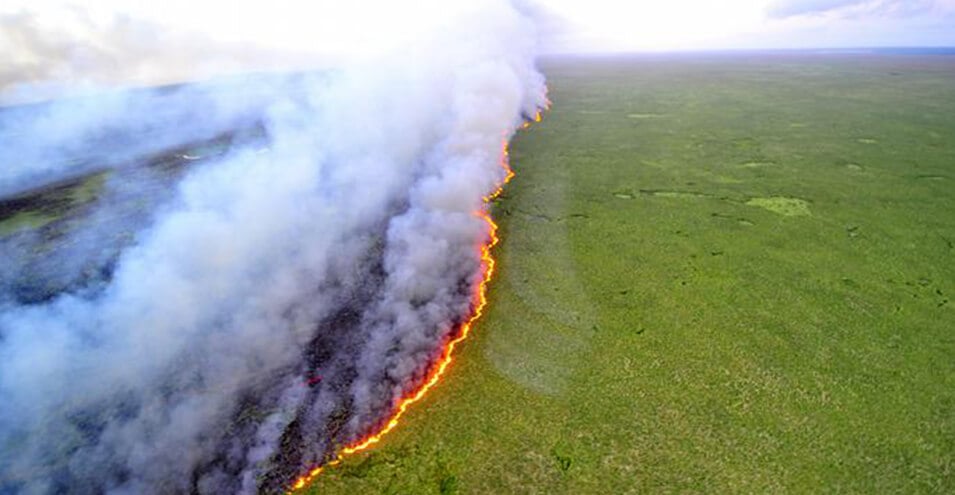
As wildfires intensify in the Amazon rainforest, Brazil’s president has pointed the finger of blame at non-governmental organizations. For Bolsonaro, the destruction of rainforests in tropical regions is a means of promoting the country’s economic growth.
The speech by Brazil’s environment minister was accompanied by booing and whistling from the audience.
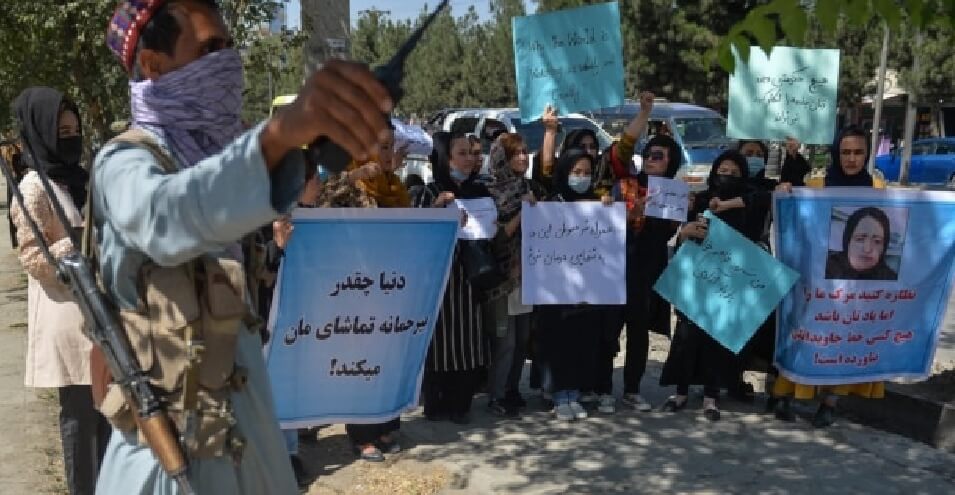
Ricardo Salles had traveled to Salvador to give a speech, where Latin America’s climate week is currently taking place. Jair Bolsonaro, Brazil’s president, had sent his minister to defend his policies regarding the Amazon; the minister was confronted with placards reading: “The Amazon is burning.”
Brazil is currently experiencing the most severe forest fires in recent years. Large portions of the southern Amazon and the Pantanal (the world’s largest tropical wetland) have been engulfed in flames. Conditions are no better in Bolivia and Paraguay, with forests burning all the way to the border with Argentina. However, according to aerospace agencies and NASA satellite imagery, the intensity of the fires is unmatched anywhere compared to Brazil.
Causes of the Fires: Human Activity and Drought
In just the first half of August alone, 9,500 fires were recorded, bringing the total from the beginning of the year to 72,000 cases. Comparing these figures with last year’s data reveals an 80 percent increase in fires.
The situation has worsened with the continuation of drought in some areas that have not seen rain for weeks. In these regions, a single spark is enough to ignite flames. However, the Brazilian office of the environmental organization “Greenpeace” identifies human factors as the cause of the fires. Marcio Castrini from Greenpeace Brazil says there is a clear relationship between the fires and the sharp increase in Amazon deforestation, and believes the current Brazilian government, led by Bolsonaro, is facilitating the deforestation process.
Rather than protecting forests, Bolsonaro seeks growth. For him, cutting down Amazon trees to advance agriculture, mining, and infrastructure development is a form of economic progress. On August 10, landowners in Para (one of Brazil’s states) organized a day called “Fire Day,” after which, according to Brazil’s National Institute for Space Research, the fire disaster in the region suddenly increased.
Environmental activists in Brazil say the government’s message is that perpetrators and those responsible for “environmental crimes and violations” will not be punished. According to these activists, the government has simultaneously restricted the legal tools available to combat these violations.
Pointing the Finger at Environmental Protection Organizations
In the government’s view, anyone who criticizes the president’s environmental programs is considered an enemy. For example, countries like Germany and Norway, which have suspended their financial aid for protecting tropical rainforests, are viewed this way. Brazil’s president has gone even further, accusing environmental organizations of setting these fires themselves in retaliation for the government’s cuts to their funding. Bolsonaro stated that this act (setting fires) “could be a criminal action by non-governmental organizations that want to draw attention against me and the Brazilian government.” He sees himself in a “war” with these organizations.
Marcio Astrini, an activist with Greenpeace in Brazil, dismisses these “baseless claims” and says the government is trying to distract public attention from the responsibility that lies with itself.
The president now intends to deploy soldiers to areas affected by fires. The best weapon against raging flames is rain. However, from experience, as September approaches, Brazil faces its driest month of the year. The extent of wildfires will likely expand in the coming weeks.
Source: DW