Ismail Bakhshi: Do Not Lie to the People
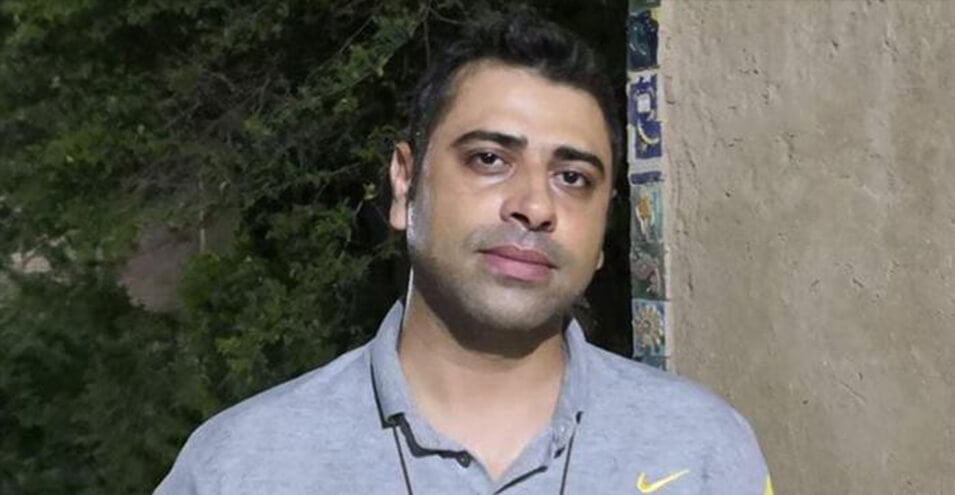
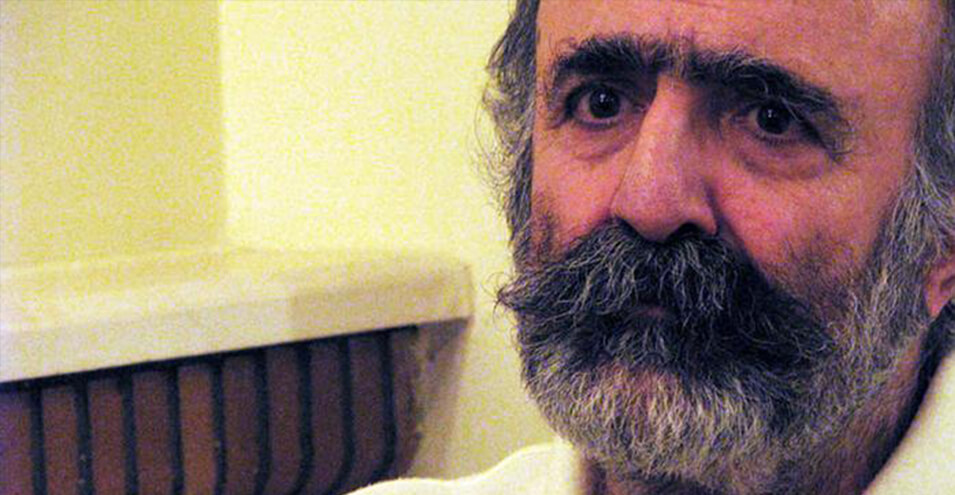
Ismail Bakhshi, noting that he has not met with any government investigative committee so far, responded to new allegations against him by writing: “I have nothing to say. I only say: do not lie to the people.” Sepideh Qolian also reported “severe torture” of Mr. Bakhshi.
Ismail Bakhshi, a representative of workers at Haft Tappeh Sugar Company, in his first reaction to claims and allegations by the Ministry of Intelligence and other officials of the Islamic Republic against him, wrote on Instagram on Wednesday, December 19 (January 9): “I hereby announce to all dear ones that I have not had any discussion with any investigative committee, whether from the government, parliament, or the judiciary, regarding the file of torture during my detention at the Ministry of Intelligence, and they have not heard my words.”
Mr. Bakhshi then implicitly rejected all these claims and allegations in his next sentence, writing: “I have nothing to say. I only say: do not lie to the people.”
Last Friday, Ismail Bakhshi, while protesting the monitoring of his mobile phone calls and conversations with his wife by the Islamic Republic’s Ministry of Intelligence, wrote among other things that he was tortured so severely by the officials of this ministry that he could not move from his place for 72 hours. He also, while describing the torture by intelligence officials and enduring “crude sexual insults” against himself and Sepideh Qolian, a civil activist who was also arrested in connection with protests of Haft Tappeh Sugar Company workers, invited Mahmoud Alavi, Iran’s Minister of Intelligence, to a public debate.
The recent statements of the representative of Haft Tappeh Sugar Company workers and his recommendation to avoid “lies” come after the Ministry of Intelligence, Hassan Rouhani’s chief of staff, and the National Security Commission of the Islamic Consultative Assembly denied his torture.
Previously, multiple reports have been published about pressure from security forces on Ismail Bakhshi and his family to “deny torture.” Farzaneh Zilabi, Ismail Bakhshi’s lawyer, also confirmed this without referring to the source of these pressures, saying that the torture of her client is “valid.”
Sepideh Qolian’s Account of “Severe Torture” of Ismail Bakhshi
After the Ministry of Intelligence, the Rouhani government, and the Parliament’s National Security Commission denied the torture of Ismail Bakhshi, Sepideh Qolian, who was herself arrested along with this labor activist and spent nearly a month in prison, yesterday Wednesday confirmed her own torture and that of Mr. Bakhshi in several tweets and described it.
Ms. Qolian wrote, among other things: “The reminder of thirty days of barbaric and inhumane treatment can still wet my eyes and make my body tremble. During arrest, Ismail Bakhshi tried to pull me out from under the beatings of the officers, but he himself was beaten so much that he lost consciousness.”
This civil activist also wrote that she was summoned last Monday for the “hundredth time” to the news headquarters of the Ministry of Intelligence and was told that the statements of Ismail Bakhshi and herself about torture are “delusions.”
According to Sepideh Qolian: “The torture of Ismail Bakhshi from the time of arrest at the intelligence protection command, to the security police (who was screaming that I am a worker, you broke my teeth) and the time of our transfer from Shush to the intelligence detention center in Ahvaz was so severe that in the first ten days of my detention I thought my brother was dead.”
She continued: “For ten days I could neither eat nor did I know if it was night or day? I was screaming, until they became disobedient from my anxiety and screams and took me near his interrogation room and I heard the voice of his wounds. My brother Ismail was alive.”
Ms. Qolian wrote that the first days of her and Ismail Bakhshi’s detention were accompanied by “beatings” and “cable shadow” was held over her head to force a “confession.” This civil activist added: “I wish a hundred times that the torture had been limited to just beatings. Introducing sexual allegations, in a place where certainly even if I screamed my voice would not reach anywhere, was the most painful part of the matter.”
Sepideh Qolian also, referring to threats against her in prison, wrote: “On the last day, the interrogator said if you go out and open your mouth, we will broadcast these same claims and forced confessions of you and Ismail Bakhshi on Channel 20 and 30 news as well. And we will powder you.”
This civil activist then, referring to the continuation of “torture” after her detention period in the form of encountering “immoral allegations” by someone identifying himself as a representative of the Ministry of Intelligence in Shush, again testified about the torture of Ismail Bakhshi: “During the arrest phase, I witnessed barbaric beating of Ismail Bakhshi and during the interrogation days I witnessed his humiliation. To the extent that several times they forced him to insult himself in front of others. I am willing to testify in a fair court about these tortures, both regarding myself and my brother Ismail Bakhshi.”
The Plaintiff Placed in the Position of Defendant
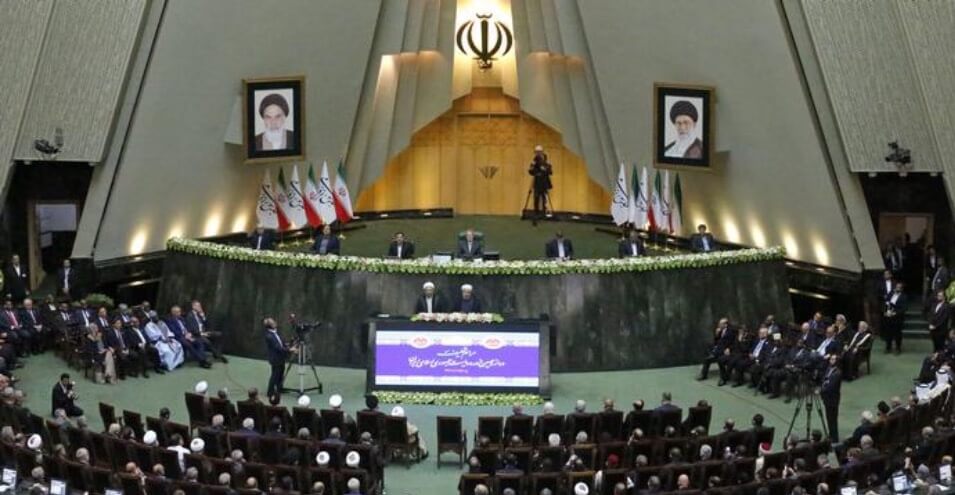
Ismail Bakhshi’s statements about his “torture” provoked widespread reactions. Iran’s judiciary promised to investigate and the prosecutor general, by order of the head of the judiciary, sent an “independent committee” to Khuzestan to examine the matter. Hassan Rouhani’s advisor also announced the “explicit order” of Iran’s president to address the issue. Many members of the Iranian parliament also demanded clarification from the Ministry of Intelligence. The matter went to the Parliament’s National Security Commission, and this commission, with the presence of the minister and other intelligence officials and in the absence of Ismail Bakhshi, held a session last Tuesday.
After this session, however, Hashmatalah Falahatpisheh, head of the National Security Commission, based on statements by Ministry of Intelligence officials, announced the file closed in parliament and said that Ismail Bakhshi “clashed” with security officers during his arrest and there was no torture involved. Falahatpisheh, while denying “torture,” also, referring to the “film” broadcast by the Ministry of Intelligence in this commission’s session, claimed that Mr. Bakhshi has “confessed” to cooperation with the Communist Labor Party, whose base is in Europe.
The Communist Labor Party of Iran, however, yesterday in an interview with Deutsche Welle’s Persian service, denied cooperation of Mr. Bakhshi with itself and evaluated the raising of such an allegation as part of “file-building” for this labor activist.
Possibility of the “System” Filing a Complaint Against Ismail Bakhshi
Also yesterday, despite Rouhani’s “explicit order” to address the matter, Mahmoud Vaezi, his chief of staff, denied Bakhshi’s “claims” and announced the possibility of a complaint by the “Ministry of Intelligence and the system” against this labor activist.
Simultaneously with these statements, however, Layla Joneydi, Rouhani’s legal deputy, said: “The investigative committee formed by the president is doing its work and will announce its report.” Vaezi’s statements, however, suggest that the Rouhani government has made its decision before the end of this “committee’s” work and has announced the “result.”
Layla Joneydi also said: “He [Ismail Bakhshi] has also been invited to speak in the Islamic Consultative Assembly to present his statements.”
This is while, despite the emphasis of Alireza Rahimi, a parliament representative, on the “effort” to have Mr. Bakhshi participate in the National Security Commission’s session two days earlier “despite some opinions,” the complainant himself could not attend that session. Ms. Joneydi, at the same time as Rouhani’s chief of staff, had said: “If Bakhshi’s claims are true, what happened is contrary to the constitution and must be dealt with severely.”
No report has yet been published, neither from the judiciary’s “independent committee” nor from the “committee” formed by Rouhani. The Parliament’s National Security Commission, the Ministry of Intelligence, and the Rouhani government have judged and even threatened Ismail Bakhshi. The position of plaintiff and defendant has been switched; on one side is a labor union activist and on the other side is a vast governmental and state apparatus.
Nevertheless, Hassam-al-Din Ashena, advisor to Iran’s president, wrote on Twitter last evening: “In hopes of a day when: 1: Those who torture and spread lies both file complaints with the courts and both cases are heard publicly. 2: An officer does not allow himself to leave the bounds of duty and the defendant cannot raise unfalsifiable claims. 3: Surveillance cameras make mutual claims verifiable.”
The issue of “torture” of Ismail Bakhshi became a shock again for Iranian public opinion and a reason for this issue to enter the headlines. Ali Motahari, deputy speaker of the Islamic Consultative Assembly, who previously demanded investigation of Mr. Bakhshi’s torture and a “convincing answer” from the intelligence minister regarding this allegation, and considered it, if true, “a source of shame for the government of prudence and hope,” met last Tuesday with this labor activist and his lawyer. The Hope Faction of the Iranian parliament, which had also met with Bakhshi and his lawyer on Tuesday, yesterday after holding a session with the minister and intelligence ministry officials, announced the sending of a delegation to Shush to examine the matter.
Ismail Bakhshi was arrested on November 27 simultaneously with the fourteenth day of a strike by Haft Tappeh Sugar Company workers and remained in prison until December 21.
Before Mr. Bakhshi’s release, reports about his “torture” in prison had also been published, but at that time the head of Shush court had also denied it and attributed it to “hostile media.”
Source: DW