Hashtag, “I Was Also Tortured”
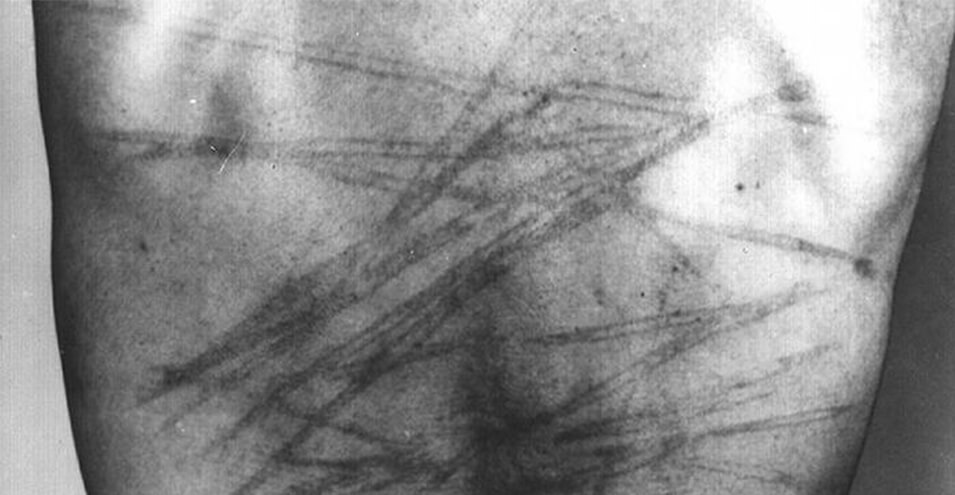
Following the publication of a letter by Esmail Bakhshi, a labor activist, in which he wrote about his torture during detention, a wave of accounts from other imprisoned activists is now emerging regarding torture in Iranian prisons.
“As someone who has been harassed and tortured by the Islamic Republic, I have several questions for the leaders of the Islamic Republic: why did you detain a 21-year-old girl in solitary confinement for 8 days under the worst conditions in the security detention facility 2000 Sepah Thaarallah, and force her to wear a blindfold? Why did a gentleman named Fazlollah at the interrogation room verbally harass a twenty-one-year-old girl repeatedly and even threaten her with physical torture and sexual assault in a humiliating manner while laughing? So much so that every night in my cell I would crumble and spend until morning terrified looking at the cell door, and I was even afraid to sleep!” This is part of an Instagram post by Shima Babaei, a civil activist who was arrested in Tehran in June 2016.
Babaei is now one of those continuing the path that Esmail Bakhshi, a worker at Haft Tappeh sugar company, recently initiated. They are writing about their psychological and physical torture in Iranian prisons, and the hashtag “I was also tortured” is meant to link all these online writings together.
بعد آزادی هم مصاحبه کردم هم در دیدار با مسولین وقت از شکنجه گفتم مرتضوی احضارم کرد درحضور وکیلم گفت باید شکایت کنی! شکایت کردم. گفت حالا پرونده تشکیل شد باید ثابت کنی وگرنه خودم حبس طولانی برایت می دهم. شدم متهم پرونده شکایت خودم.
اژه ای گفته #بخشی شکایت کند دادستان وارد می شود— Fereshteh Ghazi (@iranbaan) January 6, 2019
On January 4, Esmail Bakhshi wrote an open letter to Mahmoud Alavi, the Minister of Intelligence of the Islamic Republic, describing his torture in prison. In this letter, he invited the intelligence minister to a public debate on the matter. His letter triggered a wave of reactions even within the Iranian parliament and government.
Shima Babaei continued in her Instagram post, emphasizing that her work is a continuation of Bakhshi’s movement. On this, she wrote: “Why did you force me, upon entering a cell that was the size of a grave, to undress in front of your eyes when even my mother had never seen me naked?” In her description of her psychological torture, she wrote that prison officials had even “taken credit” for not physically torturing her.
Torture of Prisoners’ Families
Of course, writing with the hashtag “I was also tortured” has not been limited to former prisoners, and a number of other citizens have also joined in. The mother of Atena Daemi, another political prisoner, in a letter that circulated on social networks, announced her solidarity and described instances of violent behavior that she herself witnessed.
In her letter, which begins with the sentence “I am the mother of Atena Daemi, a girl who was tortured many times in prison,” she wrote: “I could never ask my daughter about the torture during interrogations, but every time someone asked me or Atena about the torture and I was forced to listen, I broke.”
She also describes her own treatment in her court proceedings and beyond: “When in front of the prison with my younger daughter we were attacked by at least 10 male officers, I positioned myself in front of my younger daughter so that the blows from batons and tasers would not hit my liver. When plainclothes officers used obscene and sexual language, I broke within myself and was humiliated, but my only concern at that time was my daughter. With all my strength I held her hand so that they would not separate her from me like my Atena.”
بحث درباره خودسرانه یا سیستماتیک بودن #شکنجه در ایران داغ است،اما تمرکز آن بر زندانیان سیاسی است.در حالیکه تجربه من و وکلای دیگری که در پروندههای کیفری کار کردهاند نشان میدهد زندانیان عادی به مراتب وحشیانهتر و بیدفاعتر شکنجه میشوند. فقط یک مورد را به عنوان مثال ذکر میکنم:
— Shadi Sadr (@shadisadr) January 7, 2019
Atena Daemi was detained on October 20, 2014, and spent 86 days in solitary confinement under interrogation. On January 17, 2015, she was transferred to the women’s ward of Evin Prison. Daemi was sentenced to 14 years in prison on charges of “propaganda against the system, assembly and conspiracy against national security, insults to the leader, insults to the founder of the Islamic Republic, and concealment of evidence of crime.” This sentence was reduced to seven years in prison in the appeals court.
Torture Narratives
The ongoing discussion about torture in Iranian prisons extends beyond the hashtag “I was also tortured” with other hashtags such as “torture narrative,” “torture in Iranian detention centers,” “Esmail Bakhshi,” or without hashtags on social networks. Majid Tavakoli, a former imprisoned student activist, is one of those who has described some aspects of prison conditions on Twitter. Majid Tavakoli has written a detailed account of the physical and psychological torture that includes continuous beatings to prolonged solitary confinement.
He ultimately describes: “In late July 2007, four members of parliament came to Ward 209 to follow up on the torture case. That group had probably heard from families and some of the released about the torture of us Polytechnic students in the fake publication case. Although I was not in control of the conditions, I described the torture as much as possible. Three of that group were deeply moved and one cried seriously. But one of them later said: ‘Well, that’s fine, imagine a father hitting his son in the ear.’
پرداختن به موضوع شکنجه در ایران در مسیر نادرستی قرار گرفته است.
هولناکی، تلخی و سختیِ غیراخلاقیِ شکنجههای موجود در زیر چند عبارت نادرست و غلط مدفون شده است.
یک رشته توییت درباره بخشی از تجربههای شخصیام از شکنجه/۱— Majid Tavakoli (@MajidTavakolii) December 23, 2018
Nevertheless, Tavakoli, who himself has exposed conditions in detention centers, writes that based on his personal experience and what he has heard from others, he is convinced that the developments in prisons are “a result of exposures.”
Source: DW