Editor’s Note
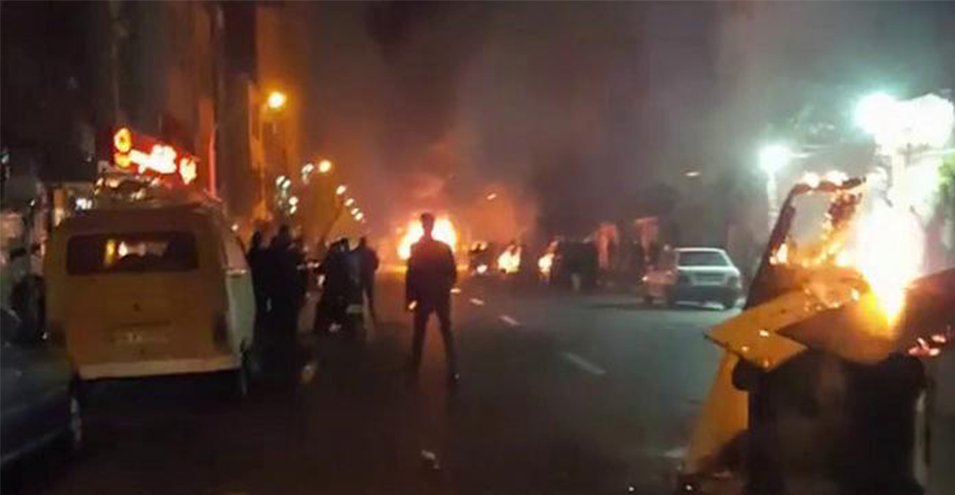
The fifth day of Iran’s popular protests has also passed. Protests that initially aimed to demonstrate against inflation and unemployment. The people of Mashhad and Kermanshah were the initiators of these protest gatherings.
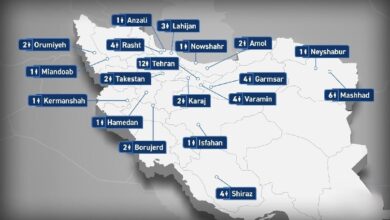
According to news reports released by government news sources by the end of the fifth day, ten people have been killed in these protests. However, reports sent from Iran indicate that the number of those killed on Sunday, the tenth of Dey, 96, was only 11 people in Maragheh city alone.
Daily news of widespread financial corruption at the level of parliamentary representatives and ministers of the ninth and tenth governments, and the entry of drug trafficking revenues into electoral competitions has brought people’s confidence in the integrity of the government to its lowest point in the years following the revolution.
With daily revelations of embezzlement by government officials and the lavish lifestyles of state officials and their children in Iran and abroad, public disgust with the government has intensified.
The widening class gap, lack of economic and social security, high inflation and unemployment rates, lowering of the age of addiction and prostitution, implementation of severe social restrictions that do not conform to today’s world realities have caused an important segment of the government’s religious supporters, who come from the lower classes of society, to join the ranks of its opponents.
However, the factors that accelerate the process of governmental collapse are as follows: 1) A declining economy. 2) Self-serving politicians. 3) Moral and religious decadence in social relations.
Under these circumstances, popular uprisings take on a different form. To the extent that the nature of the middle class’s civil and political protests has transformed into the middle class’s rebellion, and the guiding role of political leaders and activists becomes diminished or nonexistent. The middle class of society stands alongside the poor and the injured, and political demands are being directed toward overthrowing aspirations.
The rebellion of the hungry will be mixed with retaliatory violence that escalates in its course of movement. The fundamental difference between the uprising for bread and other middle-class protest movements for civil and political freedoms lies in the fact that no party or individuals lead it so that in case of arrest and implementation of restrictions, its effect can be mitigated. Through suppression or security measures, it is not eliminated, but rather increases the intensity of the protesters’ anger.
Perhaps the main reason for the Green Movement remaining inconclusive after the 2009 elections was due to the gap between the people’s demands and its leaders. To the extent that the ceiling of the Green Movement leaders’ demands (political reforms within the scope of the constitution) had a great distance from the floor of the people’s demands (elimination of the guardianship of the jurist, undermining the system through elections).
Is winter 96 the beginning of overthrowing popular movements?
We will attempt to recall in the coming days the multiple reasons for the failure of the 2009 uprising and examine its differences with the nationwide uprising of the past few days.