Growing Concerns Over Death Sentence Fate of Christian Citizen Mohammad Nikbakht

Increased pressure on political and religious activists in Iran has once again drawn the attention of human rights organizations. This time, concerns focus on Mohammad Nikbakht, a Christian citizen, political activist, and member of Iran’s National Solidarity Council, who according to human rights sources faces the danger of a death sentence being issued. These concerns have intensified following the recent sentencing to death of his two brothers, Hadi and Fathallah Nikbakht, by the Golpayegan Revolutionary Court on charges of “spreading corruption on earth” — a sentence that human rights activists view as another example of the Islamic Republic’s widespread use of capital punishment against critics and political opponents.
According to reports published by the Iran Human Rights Organization, Hadi and Fathallah Nikbakht were sentenced to death on charges of “spreading corruption on earth” approximately two weeks ago. Although the exact details of the evidence presented against the two brothers have not been publicly disclosed, their case claims they played a role in organizing anti-government protests.
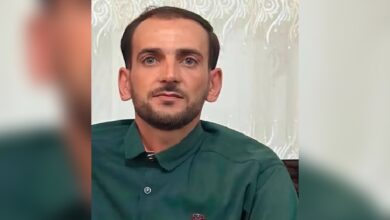
Meanwhile, Mohammad Nikbakht also faces a case that, according to informed sources, could result in a death sentence. He was arrested on March 15, 2026, during a large-scale security forces operation characterized by reports of numerous armed personnel and the use of violence. Following his arrest, his family had no information about his whereabouts for weeks, and only after approximately two months did it become clear that he was being held at Dastgerd Prison in Isfahan.
Human rights reports indicate that Mohammad Nikbakht is held in the political prisoners’ section of the prison and has faced repeated threats during his detention. Some sources have reported that prison authorities have verbally threatened him with execution, a matter that has compounded concerns about the future of his case.
The Nikbakht family is among those families who in recent years have been subjected to repeated pressure due to their political and civil activities. All three brothers have been supporters of holding a referendum to determine the future of Iran’s political system, and Mohammad Nikbakht had previously been arrested several times. Reports also indicate an unsuccessful assassination attempt against him in previous years.
Following the issuance of death sentences for Hadi and Fathallah Nikbakht, the family of the two prisoners has attempted to pursue their case through legal channels. However, sources close to the family say it remains unclear whether their chosen lawyer has obtained access to all documents and case materials. Under existing laws, the condemned have limited opportunity to appeal the verdict.
Concurrent with growing concerns, an international campaign for Mohammad Nikbakht’s freedom has been launched. The organizers of this campaign are attempting to draw the attention of international bodies and democratic governments to his situation. The petition states: “Mohammad Nikbakht is not merely a political activist and human rights defender, but a symbol of hope, a courageous voice for justice, and a believer Christian.”
The campaign has called upon the United Nations, democratic governments, and human rights organizations to take action for Mohammad Nikbakht’s immediate release and to respond to his situation. The statement also emphasizes that the Islamic Republic will be held responsible for any potential harm to his life.
Human rights activists warn that Christian citizens in Iran, in addition to political pressures, face restrictions and threats due to their religious beliefs. In their view, the combination of political activity and Christian faith can increase the risk of security force actions — an issue that critics of the government believe is evident in Mohammad Nikbakht’s case.
As the Islamic Republic continues to have one of the world’s highest execution rates, human rights organizations have warned about the expanding use of this punishment against political opponents, civil activists, and religious minorities. The Nikbakht family case has now become one of the latest examples of this concern and has drawn the attention of many human rights activists and the Iranian Christian community.