Execution of Two Kurdish Prisoners on “Rebellion” Charges in Kermanshah Amid Lack of Judicial Transparency
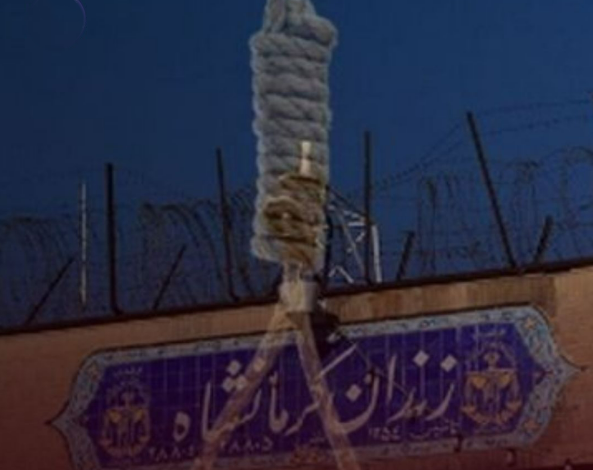
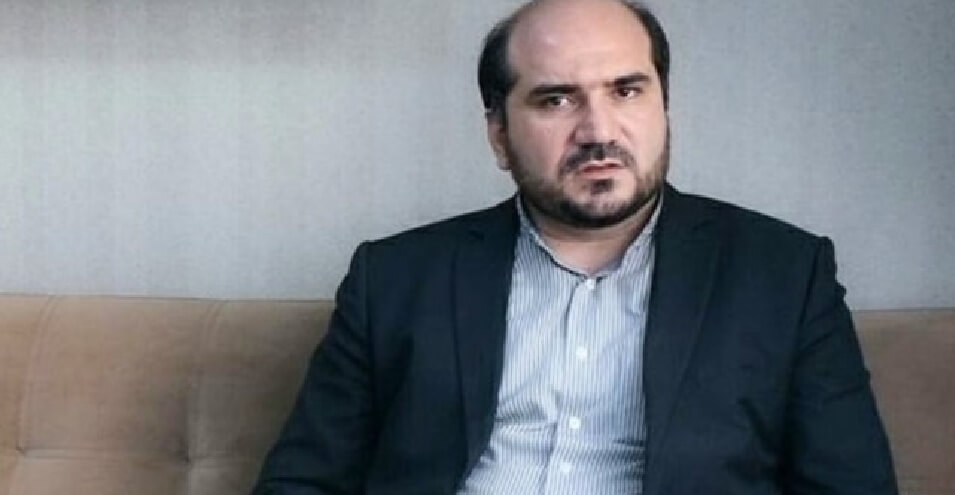
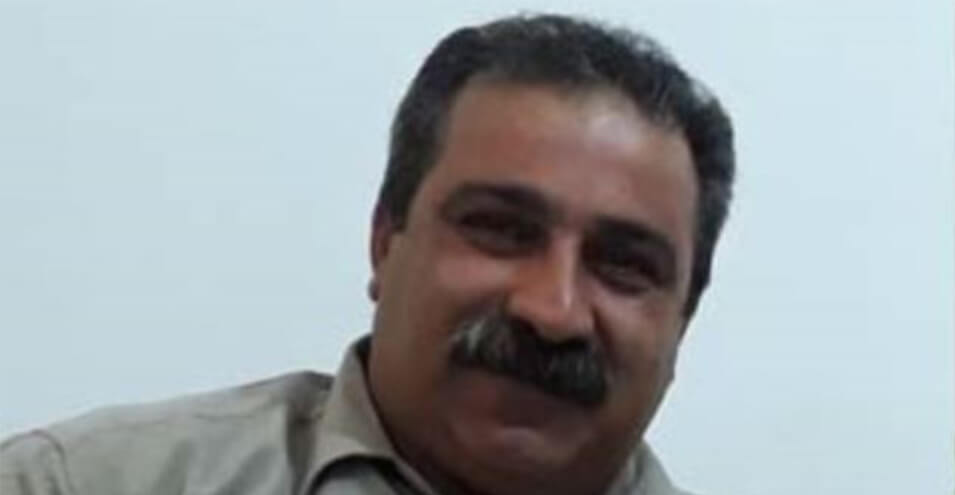
Early morning Tuesday, July 14 (23 Tir), execution orders for two Kurdish prisoners from Sarpol-Zahab, “Mohioddin Abdollahi” and “Hossein Palani Jaf,” were carried out at Kermanshah Central Prison. While the judiciary has identified these two as ISIS members convicted of “rebellion,” human rights organizations have expressed concern about the executions, citing ambiguities in the judicial proceedings, deprivation of fundamental rights, and lack of transparency regarding the case.
The execution orders for Mohioddin Abdollahi and Hossein Palani Jaf, two Kurdish citizens from Sarpol-Zahab county in Kermanshah Province, were carried out early Tuesday morning, July 14 (23 Tir). Human rights sources have reported that these two prisoners were executed at Kermanshah Central Prison (Dieselabad), although Mizan News Agency, the official media of the judiciary, did not specify the execution location in its statement.
According to the judiciary’s statement, Abdollahi and Palani were identified as members of “one of the cells affiliated with the ISIS group” who, following the collapse of this organization in Iraq and Syria, were active with the aim of carrying out operations in Iran’s border regions. The Islamic Republic’s judicial system stated that these two were tried on charges of “armed rebellion against the Islamic Republic system” (rebellion) and following confirmation of the sentence by the Supreme Court, were executed.
In contrast, the human rights organization Hengaw and the Kurdistan Human Rights Network have emphasized that independent information about the judicial proceedings in this case is not available and details of the trial have never been transparently disclosed. These organizations stated that these two individuals have been held in various prisons, including Rajaishahr and Qarchak, for years since their arrest in 1396 by IRGC intelligence forces.
The Kurdistan Human Rights Network also reported that these two prisoners were executed without a final visit from family members. The organization, citing a former cellmate, claimed that Abdollahi and Palani were held in solitary confinement for months following their arrest and were denied access to a lawyer and family visits during the initial interrogation stages. These claims have neither been confirmed nor denied by Islamic Republic authorities to date.
The case of these two prisoners traces back to a February 1396 clash in the heights of Bamu in the Sardasht region; an incident in which, according to official accounts, IRGC forces engaged with a group attributed to ISIS. Islamic Republic authorities stated that three IRGC members were killed in that operation and a number of individuals present at the scene were arrested.
The execution of Mohioddin Abdollahi and Hossein Palani took place amid circumstances in which human rights organizations have repeatedly warned in recent months about the increase in execution sentences in Iran, particularly in security and political cases, and have called for greater transparency in judicial proceedings and adherence to fair trial standards.