Risk of Death Sentence for 16-Year-Old Mahan Rahmati on Charge of “Moharebeh”

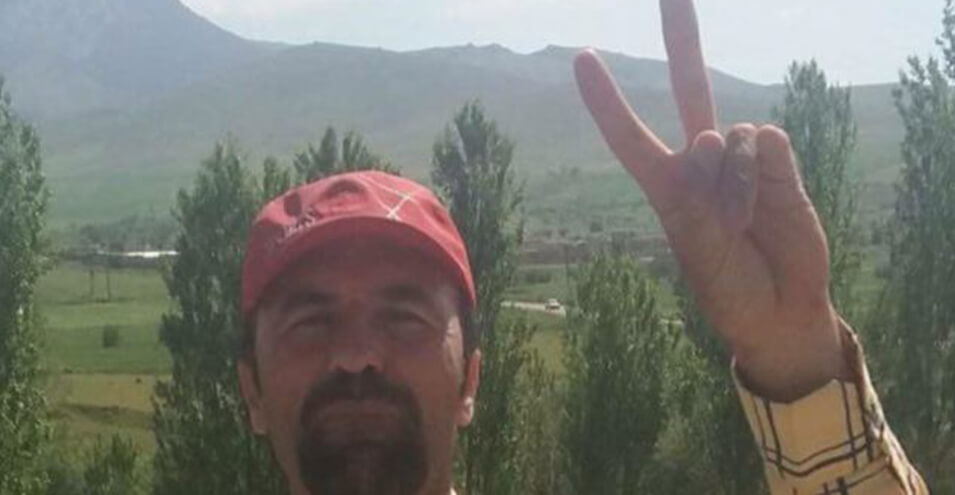
“Mahan Rahmati,” a 16-year-old teenager from Arak, faces the charge of “moharebeh” (enmity against God), and according to human rights organizations, is at risk of receiving a death sentence. This case has once again drawn attention to the Islamic Republic, a government that, despite being a signatory to the Convention on the Rights of the Child, has maintained the possibility of issuing death sentences for individuals who were minors at the time the alleged crime occurred. Human rights activists warn that this teenager’s life is in danger and have called for an immediate halt to any judicial proceedings that could lead to his execution.
The case of Mahan Rahmati, a 16-year-old from Arak, has once again brought the issue of child executions in the Islamic Republic to the forefront of human rights concerns. This teenager, born in December 2007, was arrested on December 11 and now faces the serious charge of “moharebeh”—a charge that has been repeatedly used in recent years to sentence protesters and government opponents to death.
According to reports released by human rights organizations, Mahan’s case is at a critical stage, with serious concerns about the possibility of a death sentence being issued against him. Human rights activists have called for immediate international intervention to prevent another tragic case of executing someone under 18 years old in Iran.
However, the question that challenges public opinion extends beyond the fate of one teenager: How can a government that itself is a signatory to the United Nations Convention on the Rights of the Child consider imposing the death penalty on someone who, under international law, is still considered a child?
According to Article 37 of the Convention on the Rights of the Child, the issuance and execution of death sentences for crimes committed by persons under 18 years old is explicitly prohibited. Iran became a party to this convention in 1993 and committed itself to implementing its provisions. However, reports from international organizations show that the Islamic Republic remains one of the few governments in the world that continues to issue and execute death sentences against individuals who were minors at the time the crime was committed.
Amnesty International has condemned Iran in multiple reports for systematic violations of children’s rights. In one of its statements regarding the execution of juveniles, the organization declared: “It is absolutely horrifying that two decades after Iran became a party to the Convention on the Rights of the Child, Iranian officials continue to display such shocking disregard for children’s rights.”
Amnesty International has also described the actions of Islamic Republic officials in continuing to issue death sentences for juveniles in another statement: “Iranian officials are once again committing a shameful assault on children’s rights, and the system is making a mockery of juvenile justice.”
Although these quotations were not issued directly regarding Mahan Rahmati’s case, they clearly demonstrate this organization’s consistent position on how the Islamic Republic treats defendants under 18 years old—a stance that has found new expression today with the case of this teenager from Arak.
In recent years, the United Nations, Human Rights Watch, and Amnesty International have repeatedly called on the Islamic Republic to completely abolish the death penalty for children. Despite these warnings, UN special rapporteurs on human rights have repeatedly stated that Iran’s laws continue to allow for such sentences, which is why Iran remains among a small number of countries facing such criticism.
Mahan Rahmati’s case is no longer merely a legal matter; it is a test of the Islamic Republic’s commitment to the most basic principles of human rights. If a 16-year-old can face a death sentence on the charge of “moharebeh,” the question becomes more pressing than ever: what is the actual status of children’s rights in Iran?
For many human rights advocates, the answer is clear: as long as the threat of execution hangs over children, claims of respecting children’s rights cannot be reconciled with existing realities. Mahan Rahmati’s fate has now become a symbol of this very contradiction—a contradiction between the Islamic Republic’s international commitments and the actions of its judicial system.