Lawyer Bahar Sahraeian, Defender of Christian Citizens, Released on Bail

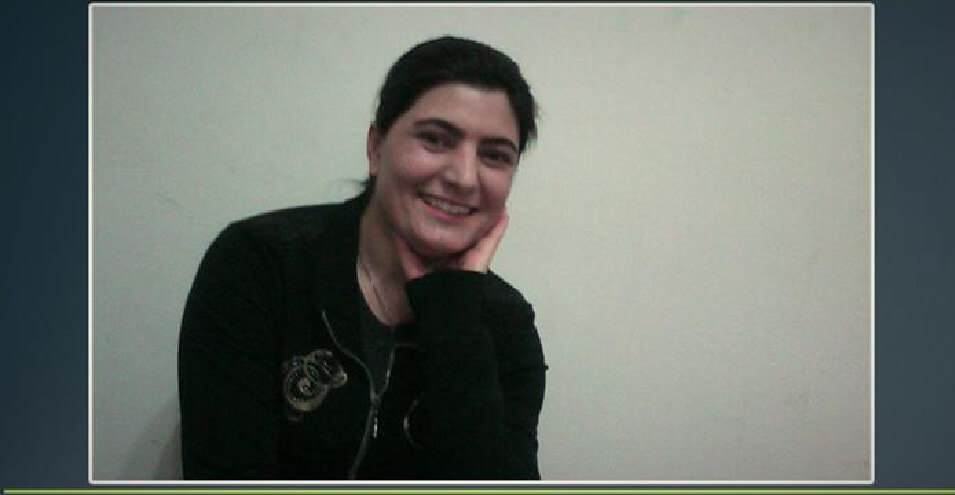
Bahar Sahraeian, a lawyer and well-known advocate for Christian citizens and other human rights cases, has been released from Adel Abad Prison in Shiraz on bail after approximately two months of detention. Her arrest occurred amid growing concerns from human rights organizations about increased pressure on independent lawyers and defenders of religious and belief freedom in Iran.
Bahar Sahraeian, a lawyer and member of the Fars Province Bar Association who has represented several Christian citizens and human rights activists, was released from Adel Abad Prison in Shiraz on bail yesterday, Tuesday, July 21, 2026.
Her release came after approximately two months of temporary detention. Prior to her release, Ms. Sahraeian faced charges including “assembly and conspiracy to undermine national security,” “propaganda activity against the system,” and “spreading false information.”
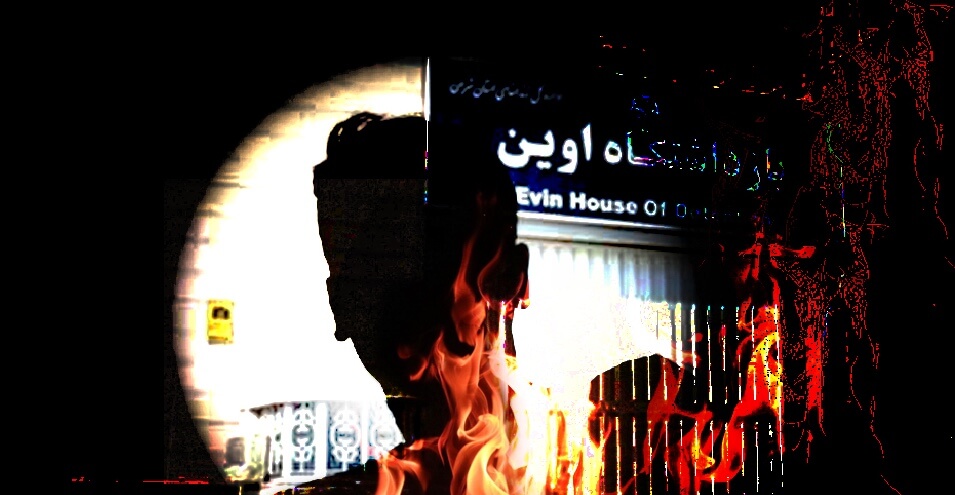
The lawyer was arrested on May 16 while she was present at the Shiraz Revolutionary Court performing her professional duties. She was transferred to Adel Abad Prison one day later after charges were read at the Shiraz Prosecutor’s Office, and remained in indefinite detention until her release.
According to available information, during part of her detention, Bahar Sahraeian was deprived of contact with her family members. Additionally, despite repeated requests from her family and attorneys for bail conditions to be set, judicial authorities initially opposed her temporary release.
The arrest of this lawyer drew reactions from human rights activists, as she has represented several Christian citizens, civil activists, and defendants in cases related to religious freedoms and human rights in recent years.
Human rights activists believe that the Islamic Republic has intensified pressure on independent lawyers who defend political, ideological, and religious prisoners in recent years. According to them, detention, judicial prosecution, prison sentences, and restrictions on professional activity have become tools to prevent defendants from accessing independent legal defense.
This concern is particularly evident in cases involving Christian citizens and other religious minorities. International human rights and religious freedom organizations have repeatedly stated that the Islamic Republic not only persecutes citizens for changing religion or engaging in peaceful religious activities, but also subjects lawyers who defend such individuals to security and judicial pressure.
Critics of the Islamic Republic also believe that the Iranian government pursues a dual approach toward religious minorities; presenting the presence of certain religious minorities internationally as evidence of respect for their rights, while domestically, many Christians, house church leaders, and other religious minorities face arrest, imprisonment, exile, asset confiscation, deprivation of social rights, and restrictions on religious practices. According to human rights activists, pressure on lawyers handling these cases is part of this broader process of restricting freedom of religion, belief, and the right to fair trial.
In contrast, Islamic Republic officials have consistently maintained that judicial actions are based solely on security charges and within the framework of national laws, with no connection to individuals’ religious beliefs or professional activities—a claim that has been consistently disputed and criticized by human rights organizations.