Mai Sato: Religious and Ethnic Minorities in Iran Face “Double Barriers” to Fair Justice
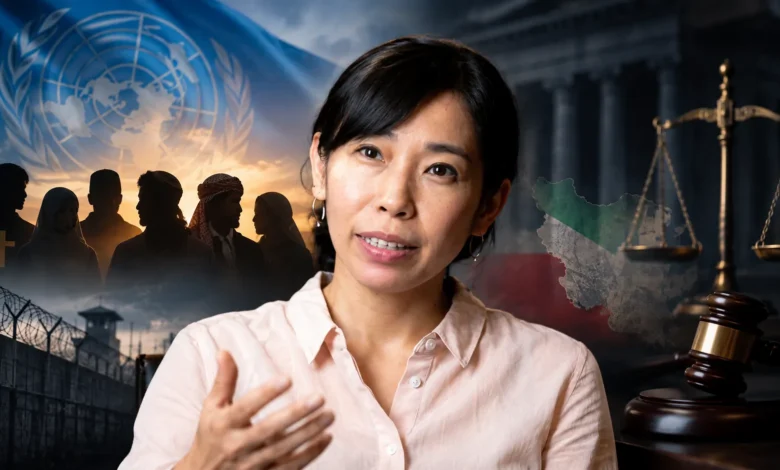
Mai Sato, the UN Special Rapporteur on human rights in Iran, warned about the situation of religious and ethnic minorities in the Islamic Republic, stating that members of these groups face “double barriers” when entering the judicial system to access fair trials. This applies to Christian citizens and Baha’is who have for years been labeled as “security threats,” as well as Baluchis, Kurds, and other ethnic minorities who, according to this UN official, struggle with economic and judicial discrimination.
In a message posted on social media platform X, Sato wrote that discrimination against minorities in Iran does not merely result in social limitations or deprivation of certain civic rights; it can directly affect the process of detention, interrogation, trial, and even the issuance and execution of death sentences. He emphasized that in cases leading to capital punishment, this issue becomes even more critical, as such cases require the most rigorous and stringent scrutiny under international law.
One of the important sections of the UN Special Rapporteur’s statement pertains to the situation of religious minorities. Sato has clarified that Christian citizens and Baha’is in the Islamic Republic have long been portrayed as security threats. He also referenced existing restrictions on Sunni Muslims and followers of the Yarsan religion, stating that these groups continue to face limitations in accessing government positions.
This concern about Christians, particularly converts to Christianity, has also been reflected in other UN reports. During the summer of this year, Mai Sato and other UN experts warned about a wave of arrests of Christians and Baha’is. According to information released at that time, at least 79 Christian citizens were detained or serving prison sentences. Reports also documented solitary confinement, forced disappearances, torture to extract confessions, and dissemination of some confessions through government media.
Under such circumstances, the use of security-related charges against Christian citizens becomes particularly significant. Activities such as holding house church meetings, religious gatherings, or preaching Christianity have in various cases been met with charges related to national security—an issue that has been criticized for years by organizations defending religious freedom. Article 18 has also provided extensive documentation of the security-based treatment of Persian-speaking Christians and particularly citizens who have converted from Islam to Christianity.
However, Sato’s latest warning is not limited to religious minorities. He has also written about ethnic minorities, noting that economic marginalization, land confiscation, and environmental destruction have intensified poverty in many minority-inhabited areas. He specifically referenced the situation of Baluchis, some of whom, according to him, are even deprived of identity documents, which restricts their access to education, healthcare services, and formal employment.
The UN Special Rapporteur has also referred to the situation of Kurdish kolbars and Baluchi fuel smugglers—groups who, due to economic conditions and lack of sufficient job opportunities, according to Sato, depend on cross-border transportation of goods and fuel to make a living. This occurs even as security and judicial actions against these groups have repeatedly resulted in deaths, injuries, or detentions.
The most critical part of Sato’s warning, however, reaches the point where ethnic and religious discrimination intersect with capital punishment. He wrote that members of ethnic minorities facing capital charges may face greater difficulties in accessing fair trials—from insufficient access to interpreters during interrogation and court proceedings to allegations of torture and mistreatment to extract confessions, and the use of security charges that, according to reports, are not always supported by credible evidence.
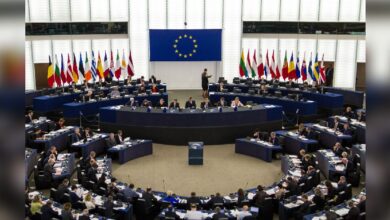
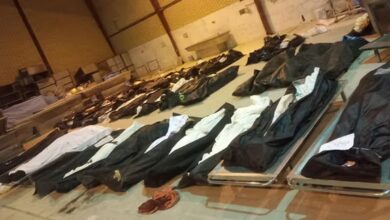
These concerns have been linked in recent months with the wave of executions of those arrested during December protests. A joint statement supported by 46 countries at the UN Human Rights Council in late September warned of the increase in executions in Iran, particularly of protesters, and referenced reports of torture, forced confessions, forced disappearances, and violations of the right to fair trial. The statement declared that at least 31 people have been executed in connection with the protests, and many others remain at risk of execution.
Mai Sato also responded to this statement by emphasizing the necessity of stopping executions, stating that the need for a moratorium on capital punishment, pending its abolition, has never been felt more urgently.
Meanwhile, the execution of protesters continues. In recent days alone, Alireza Sepahi and Alireza Raisi have been executed in Isfahan, and Siavash Jamshidi Kheirabadi in Shahr Kord, while human rights organizations have expressed concerns about the trial process and the defendants’ access to legal rights in December protest cases.
For Iran’s Christian community, these concerns are not merely a theoretical discussion about minority rights. Article 18 had previously reported that during the suppression of December protests, at least 19 Christians were killed, including members of Armenian and Assyrian communities as well as Christian citizens. This figure is based on cases where the organization was able to confirm the victims’ identity and religious affiliation at that time.
On the other hand, pressure on Christians has continued throughout this year. Article 18’s annual report indicates that following the Iran-Israel conflict, the security environment against Christians intensified, and within a short period, dozens of Christians were arrested in various cities. In this process, the activities of Persian-speaking Christian communities were once again defined within the framework of “security threat.”
What Mai Sato is now warning about is, in fact, the interconnection of multiple layers of discrimination: an individual may face social limitations due to their religion or ethnicity, then be charged with security-related offenses upon arrest, and during the trial process encounter difficulties such as insufficient access to a lawyer, an inadequate interpreter, or allegations of torture and forced confession. When such a case results in a death sentence, any judicial error can no longer be remedied.
For this reason, the UN Special Rapporteur’s warning about capital cases involving minorities holds particular significance. The issue is not merely about carrying out a judicial sentence; the issue is whether an individual who, due to their religious or ethnic identity, is placed in a more vulnerable position from the outset, has truly enjoyed equal rights throughout all stages of detention, interrogation, and trial.
In the Islamic Republic, where a Christian citizen can face security charges because of their faith and religious activities, and where a Baluch or Kurdish citizen may encounter language and economic barriers in the judicial process, Mai Sato’s warning about “double barriers” carries meaning that goes beyond a diplomatic concern. This warning directly pertains to the right to life, religious freedom, equality of citizens, and the right to a fair trial—rights that in capital cases leave no room for complacency or ambiguity.