Arrest of Lawyer Amirsalar Davoudi Over Disclosure of Truth

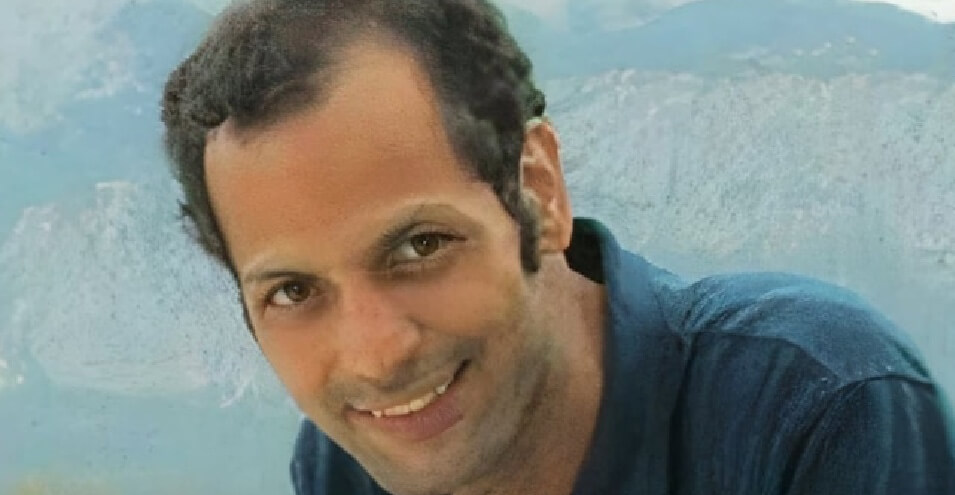
Amirsalar Davoudi, a lawyer and defender of political prisoners, was arrested following the release of an audio file of the wedding ceremony of Alireza Sepahi and Mehshad Kashani. The ceremony took place one day before Sepahi’s execution and was held under circumstances where both the bride and groom were held in separate prisons. The Chief Justice of Isfahan has cited the release of this audio file as grounds for Davoudi’s arrest and has raised the possibility of espionage charges. This case raises a troubling question: why does the release of an account of a prison wedding ceremony become a security issue, while serious questions remain about the execution of a young man and his right to a fair trial?
According to reports from Dadban (Prisoners’ Rights Monitor) and human rights organizations, Amirsalar Davoudi was arrested on Sunday, October 10, 2026, while appearing in the Isfahan Revolutionary Court to defend Mehshad Kashani. He was arrested by plainclothes officers. Hrana also confirmed his arrest and reported in its initial statement that his place of detention was unknown.
The next day, Assadollah Jafari, Chief Justice of Isfahan, provided explanations regarding the reason for the lawyer’s arrest. He described the release of the audio file of the marriage ceremony of Alireza Sepahi (a protester who was executed) and Mehshad Kashani as an act that, according to him, caused “propaganda misuse” by anti-government media and “public alarm.” Jafari also accused Davoudi of publishing material against the government and said the lawyer faces charges including spreading computer lies, propaganda against the system, and security-related charges.
He even raised the possibility of charges under the law imposing enhanced penalties for espionage; a matter that, based on published statements, has been connected to the likely transmission of the audio file to a foreign media outlet. However, these charges do not yet constitute proof of guilt and must be examined through an independent, transparent, and fair judicial process.
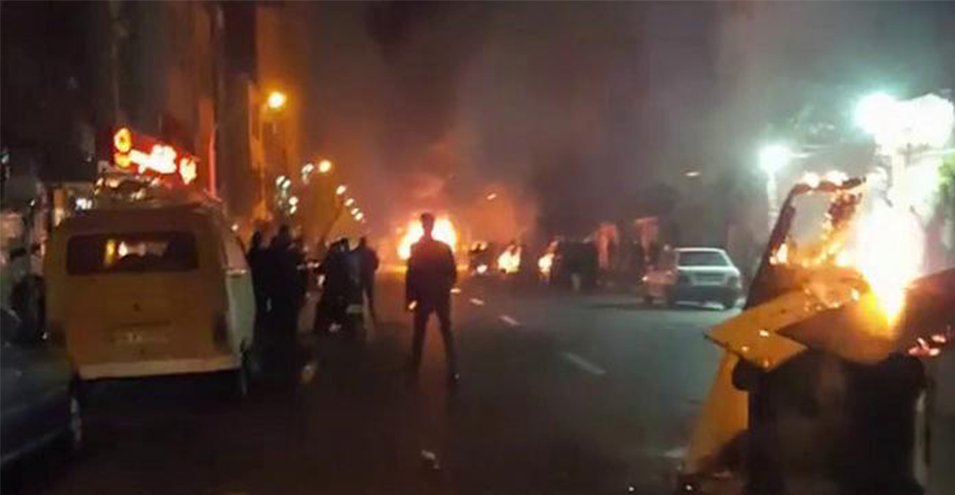
Alireza Sepahi was 25 years old and Mehshad Kashani was 22 years old. They were engaged before their arrest. Both were detained in connection with December protests and were held in separate prisons in Isfahan. Sepahi was sentenced to death in a case known as the “Alikhani Square” case, while Mehshad Kashani was sentenced to five years in prison.
One day before Sepahi’s sentence was carried out on October 4, the two young people held their marriage ceremony with the help of Amirsalar Davoudi through a telephone connection. Davoudi read the marriage contract sermon and released an audio file of the ceremony on his Instagram page.
The ceremony attracted widespread attention, taking place under circumstances where the two prisoners did not even have the ability to be present with each other, and the groom faced imminent execution. Sepahi was executed the next day, and Mehshad Kashani remained in prison.
This account, beyond a wedding ceremony, provides a disturbing picture of the private lives of individuals who, caught in the midst of political and security cases, are deprived of freedom and even the most basic possibilities of living. Its release drew public attention to the fate of two prisoners; but now that same release, according to the judicial authority’s statement, has become one of the reasons cited for the arrest of their lawyer.
The Chief Justice of Isfahan has called the audio file of the wedding ceremony “false”; a claim that should be measured by clear evidence and the possibility of independent review. Merely raising such a claim does not in itself prove that the ceremony was fabricated or that the lawyer committed a crime.
The important question is why, instead of presenting clear evidence and enabling independent review, has the case become entangled with multiple charges and threats to use espionage law? If the judicial authorities believe the released file is forged or that a crime occurred in its release, they are obliged to present their documentation and allow the matter to be examined in a fair process, rather than transforming heavy security charges into a tool for instilling fear.
Furthermore, a distinction must be made between the release of an audio file, its possible transmission to a media outlet, and the commission of a security crime. These are separate claims, and each requires specific evidence and fair proceedings. The possibility or suspicion raised by a judicial official cannot replace proof of guilt.
Amirsalar Davoudi had previously faced judicial action due to his professional activities and defense of political and civil prisoners. In 2019, he was sentenced to a total of 30 years imprisonment and 111 lashes, and according to regulations regarding execution of sentences, 10 years of imprisonment were declared subject to execution.
His latest arrest has occurred while in recent months he has taken on cases for several of those detained during the December protests. Among his clients are Trana and Romina Rahimi, twin sisters who, according to published reports, one has been sentenced to execution and the other to 36 years in prison.
Dadban has warned that judicial treatment of independent lawyers, particularly those who take on political, security, and human rights cases, can limit citizens’ access to effective defense and fair trial. This is a serious concern: if a lawyer faces the risk of arrest and security charges due to professional activities, the release of information related to clients, or expression of criticism of judicial proceedings, other independent lawyers may also come under pressure to refuse sensitive cases.
The result of such a situation is not merely the harming of one lawyer; it is the weakening of the right to defense for any citizen who finds themselves in a sensitive and dangerous case.
The case of Alireza Sepahi also continues to raise serious questions about judicial proceedings and the execution of his death sentence. Human rights reports on the case known as the Alikhani Square case have documented concerns about forced confessions, allegations of mistreatment, and the manner of judicial review. These matters require independent and transparent investigation; particularly in a case whose outcome was taking the life of a human being.
Under such circumstances, judicial authorities are expected to be accountable regarding the review process, the evidence relied upon, the possibility of effective objection, and respect for the rights of the accused. However, the arrest of the lawyer involved in this case and threats against him with serious charges further raise concerns about the possibility of independently pursuing these questions.
Human rights organizations have also reported executions of dozens in connection with December protests. The exact number and details of each case should be reported based on verifiable documentation, but the fundamental concern is clear: capital punishment in cases related to protests, especially in an environment where serious claims about trials and confessions are being raised, requires independent oversight and full accountability.
The case of Amirsalar Davoudi is now not only about a lawyer or an audio file. This case concerns a more fundamental issue: can defense lawyers defend their clients without fear of arrest and security charges, and can they report on sensitive cases?
If the government claims it is administering justice, it must allow the functioning of the judicial system to be measured by evidence and public questions. If the audio file is forged, the possibility of independent review must be provided. If charges exist against Davoudi, his legal rights must be respected, his place of detention must be clear, and his access to a lawyer and family must be guaranteed.
Justice is not proven by concealing narratives and arresting critical lawyers. Heavy charges are not a substitute for evidence, and security threats are not an answer to questions about an execution.
Alireza Sepahi is no longer alive; Mehshad Kashani remains in prison; and Amirsalar Davoudi faces judicial charges. In the face of this chain of punishment, imprisonment, and restriction, one clear demand remains: transparency regarding cases, respect for the right to defense, independent review of allegations of rights violations against the accused, and an end to any pressure on lawyers who perform their professional duties.