Family of Abolghasem Babaei, December Protests Victim, Arrested
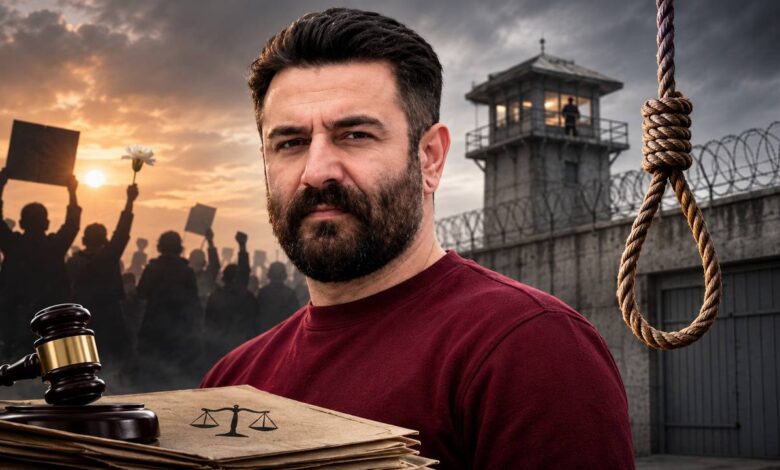
Abolghasem Babaei was killed during December protests when shot with buckshot by government forces; now, nearly a year after his death, four of his brothers have been arrested for planning to hold a ceremony marking his birthday at his grave. In the Islamic Republic, it appears that not only protest and demands for justice, but also mourning for lost loved ones can serve as a pretext for security forces to raid homes and arrest family members.
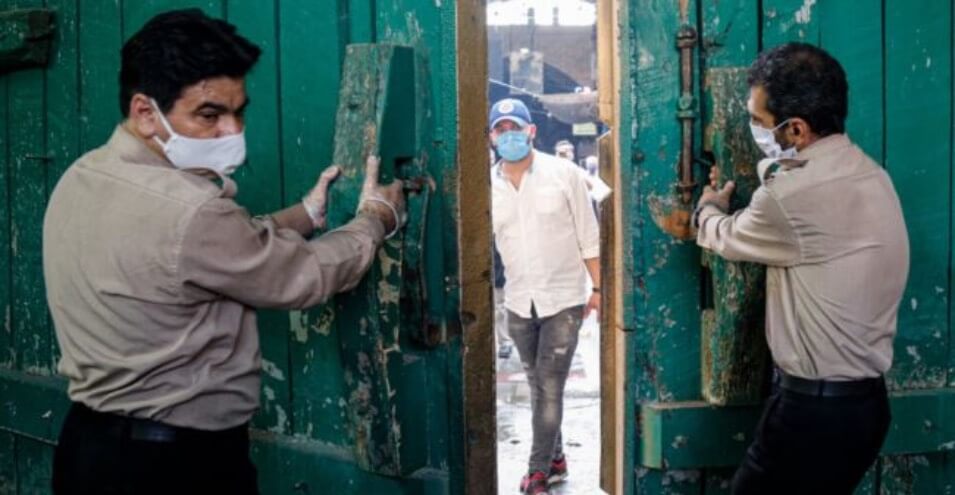
On Tuesday, December 24, 2024, forces from the Islamic Republic’s intelligence agency raided the family home of Abolghasem Babaei in Vahidieh, Shahr-e Rey, and arrested his four brothers named Homayoun, Khalil, Ali-Mohammad (Ali-Morad), and Seif-Allah Babaei.
According to reports from human rights organizations, these arrests were carried out without presenting a court order. Homayoun Babaei was released hours after his arrest upon signing a written commitment, but the three other brothers remain in custody. As of the time this report was published, information about their place of detention and possible charges has not been made available.
What makes these arrests particularly alarming is their timing and stated reason: the Babaei family had announced they would hold a ceremony at Abolghasem’s grave in Emamzadeh Ghasem cemetery on the occasion of his birthday. According to a source close to the family, security forces not only arrested his four brothers but also pressured Farbkhande Khazaei, Abolghasem’s wife, to refrain from holding the ceremony and visiting her husband’s grave.
This incident raises a bitter and fundamental question before public opinion: why should a family that has lost a loved one during protests face pressure for holding a memorial ceremony in his honor? What threat exists in lighting a candle at the grave of a victim or gathering family members to remember his birthday?
The arrest of family members and coercion to prevent the ceremony, if the reports are accurate, represents a blatant example of restricting the right to mourn and pressuring families of justice seekers. A family that should have the opportunity to grieve their loss and pursue the truth now faces arrests, threats, and uncertainty about the fate of their family members.
These actions are not limited to one family. In recent years, numerous reports have documented pressure on families of protest victims, prevention of commemorative ceremonies, summons and arrests of relatives, and restrictions on visiting victims’ graves. Such actions, rather than providing accountability for how citizens died, place an additional burden of suffering and insecurity on the bereaved.
Abolghasem Babaei, 44 years old and a taxi driver, was shot with buckshot and killed during popular protests in Vahidieh, Shahr-e Rey on the evening of December 11, 2024. According to reports published by Hengaw and the Human Rights Organization HANA, the buckshot struck his chest and abdomen at close range.
Reports of his death also mention baton blows. Babaei was married and the father of three children; a man whose death left a family bereaved, and that same family now faces security pressure instead of receiving clear answers about responsibility for his death.
This case takes place within the broader context of the widespread suppression of December 2024 protests—protests that resulted in many citizens being killed and wounded and saw widespread arrests of demonstrators. In such circumstances, the arrest of families of victims and the prevention of commemorating them intensifies concerns about the continued security-based approach to demands for justice.
Shooting at citizens in the street, arresting protesters, disappearances of detainees, and pressure on families of the deceased are different forms of conduct that share a common consequence: restricting citizens’ rights to life, freedom, and justice.
In Abolghasem Babaei’s case, first a citizen’s life was taken during protests, then his family faced pressure and arrests for holding a memorial ceremony. Now three of his brothers are in an unknown situation, and his wife, according to reports, has been prevented from holding the ceremony and visiting her husband’s grave.
A government that must answer for the deadly shooting of citizens cannot silence the questions about these deaths by arresting relatives and silencing the voices of families. Commemorating a victim is not a crime, and demands for truth and justice cannot be stopped through threats and written commitments.
Until an independent and transparent investigation is conducted into the death of Abolghasem Babaei and other protest victims, and those responsible and those who ordered their deaths are held accountable, pressure on families will only increase distrust and demands for justice.
Three of Babaei’s brothers are now in detention; a family that has already faced the loss of their loved one should not be punished for keeping his memory alive.