Warrant Officer Alijani Ends His Life Amid Government Slogans and Economic Crisis
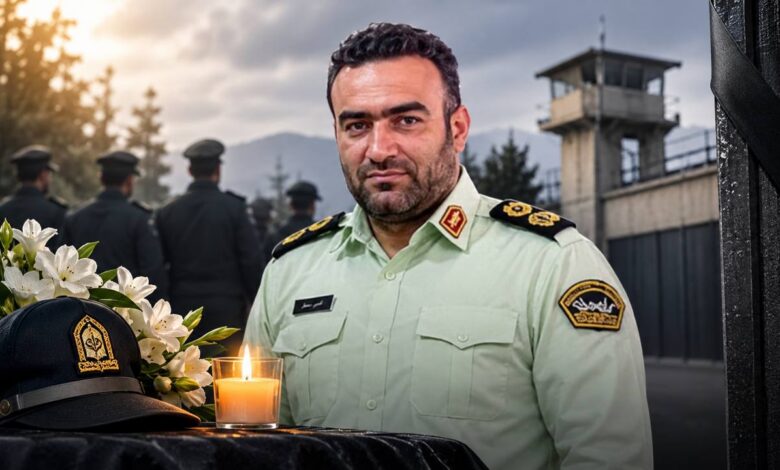
While the Islamic Republic expects its military and security forces to serve the power structure under the most difficult circumstances, the report of the death of Warrant Officer Farzad Alijani, a guard officer at the “Shahid Adebi” training center in Marzan Abad, has once again drawn attention to the economic conditions, service pressures, and internal organizational problems of the armed forces. A government that spends massive amounts to maintain its military and security apparatus continues to face criticism over insufficient salaries, welfare problems, and neglect of personnel living conditions.
According to a report published by Reza Tamizkar, “a former member of law enforcement,” Warrant Officer Farzad Alijani, a guard officer at the “Shahid Adebi” training center in Marzan Abad, took his own life on Wednesday, December 25, 2026, while on duty. News of his funeral was also released on Friday, December 27, 2026.
The publication of this news has once again brought to the fore the issue of difficult living and working conditions in some sectors of the Islamic Republic’s military and security forces; conditions that, according to informed sources, have become more difficult for a number of government employees following the war and increased economic and organizational pressures.
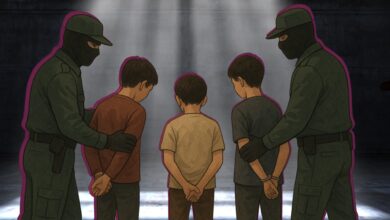
Reza Tamizkar, in response to this incident, wrote that at a time when the government is detaining and executing protesters to suppress public discontent, military and security forces are also facing economic and supervisory pressures. He also pointed to the service and family problems facing these forces.
However, to date, no independent information has been released about the exact cause of Warrant Officer Alijani’s death, his personal and family circumstances, or any specific pressure in the work environment directly related to this incident. Therefore, economic or organizational problems cannot be considered the definitive cause of his death; but the question about the responsibility of relevant institutions in ensuring psychological security, welfare, and support for employees cannot be ignored.
Economic problems have not only affected the lives of Iranian people but are also not a new issue among military and security personnel. In recent years, a number of these institutional employees have openly discussed low salaries, inability to meet family expenses, housing problems, and the need for a second job; while the Islamic Republic spends most of Iran’s national wealth on proxy forces or weapon manufacturing.
Kayhan London, in a report in December 2024, addressed complaints from several law enforcement personnel about their financial situation. In that report, two officers from Yasuj and Bandar Abbas spoke about the severity of economic difficulties and inability to meet living expenses. One of them had stated that due to the severity of family expenses, he had even considered selling one of his body organs.
The same report mentioned cases where personnel, after publishing economic complaints, in other videos revised their positions and emphasized loyalty to the government. If these accounts are true, the problem is not only low wages; but limited freedom to express complaints and concerns about organizational consequences are also added to employee problems.
In November 2026, public requests were also made to address the economic situation of the armed forces. The Friday Imam of Bandar Abbas and a number of representatives and officials discussed the inadequacy of salaries and the need to reform benefits and welfare support for military forces. The raising of such requests by official figures shows that the livelihood issue of these forces cannot be overlooked even within the government structure itself.
Recently, the economic situation of servicemen killed in war has also been raised in government media. According to reports published about statements by one of the state television executives, he criticized the economic situation of the families of fallen military personnel, called for greater government attention to them, and warned about the consequences of inflation and economic pressure.
This criticism, regardless of who is making it, highlights an important contradiction: the government speaks of the sacrifice of military forces in official ceremonies and media propaganda, but their families need economic and welfare support to meet their daily needs.
One cannot expect endless sacrifice from forces on one hand and marginalize the responsibility of ensuring their minimum living standards and health on the other. Grandiloquent slogans about the status of armed forces cannot replace adequate wages, medical services, psychological support, and job security.
The death of Warrant Officer Alijani must be investigated with transparency and respect for his family’s privacy. Responsible institutions must be accountable for working conditions, potential pressures in the work environment, access of personnel to psychological support, and the welfare situation of personnel. An independent investigation of these matters is necessary not only to clarify the dimensions of this incident but also to prevent recurrence of similar events.
It should also not be forgotten that military and security forces, before any organizational title and military rank, are human beings with families, economic needs, psychological pressures, and individual rights. No structure has the right to expect unlimited pressure tolerance from its employees while remaining unaccountable for their living conditions and health.
In the Islamic Republic, a large portion of the country’s financial and administrative capacity is spent on military, security, and propaganda institutions by supporters of the Islamic Republic; but repeated reports about wage, housing, and welfare problems of employees show that there is a gap between the government’s stated priorities and the real needs of some personnel.
The death of Warrant Officer Farzad Alijani should not become a brief news item among the flood of daily news. This incident, regardless of its ultimate cause, reminds us of the necessity of accountability regarding service and living conditions not only of armed forces personnel, but also of ordinary people struggling with economic difficulties. A government that expects its forces to be on the front lines of missions and ordinary people to support the government must also be responsible for their lives, health, and dignity.
Military and security forces are not inanimate tools of a political structure; they are human beings who have the right to live in safety, receive commensurate wages, receive social support, and have the opportunity to express their problems without fear of punishment.