Ambiguity Over Negotiators’ Composition and Qalibaf’s Unexpected Role in Sensitive Islamabad Talks
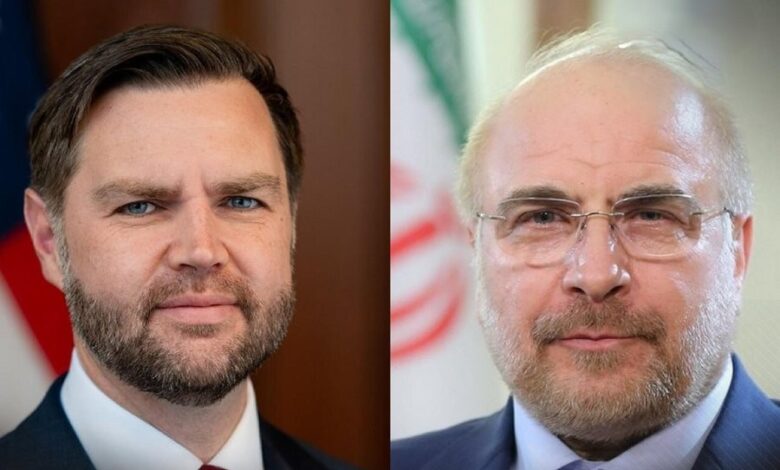
The possibility of an unexpected role for Qalibaf in the sensitive Islamabad negotiations has created ambiguity over the composition of Iran and America’s negotiating teams, adding to the complexity of the political atmosphere surrounding these talks.
On the eve of a new round of diplomatic consultations between Iran and the United States, contradictory reports about the composition of the Islamic Republic’s negotiating delegation have added to the complexity of the political atmosphere surrounding these talks. These negotiations, which are scheduled to take place in Islamabad with Pakistan’s mediation on the coming Friday, are being pursued in sensitive circumstances and following a period of military tensions and unprecedented developments in Iran’s power structure.
According to published reports, it is likely that the leadership of the Iranian negotiating team in this round of talks will be entrusted to Mohammad Baqer Qalibaf, the Speaker of the Islamic Consultative Assembly; a matter that, if confirmed, would constitute a significant change in the traditional pattern of Iran’s foreign negotiations. In the past, this responsibility has primarily rested with the Foreign Minister or diplomatic figures close to that ministry.
However, some sources close to security institutions have stated that this decision has not yet been finalized and is still under review at the highest levels of government. According to these sources, decision-making bodies are assessing various dimensions of these negotiations, and official announcements on this matter are expected in the coming days.
On the other side, it was previously reported that “JD Vance,” the Vice President of the United States, will lead the American team in these negotiations; a matter that indicates the high importance of these talks for Washington.
This round of negotiations has been scheduled at the invitation of “Shehbaz Sharif,” the Prime Minister of Pakistan. He announced on Wednesday morning, April 8, that he has requested representatives of the two countries to be present in Islamabad on Friday, April 10, corresponding to Farvardin 21, to conduct further negotiations in order to reach a final agreement for the settlement of all disputes.
If Qalibaf participates in these negotiations, it will be the first time that Iran’s Parliament Speaker directly participates in such a level of international talks. This potential change could be a sign of a redefinition of the role of domestic institutions in Iran’s foreign policy; especially in circumstances where the power structure in the country has undergone significant changes following recent developments.
International analysts believe that the potential shift of the negotiator’s role from the diplomatic apparatus to a political and security figure could indicate a more hardline approach in the negotiations. Some also view this change as a sign of an effort to create greater coordination among various government institutions in the decision-making process.
These developments are occurring while Iran’s political atmosphere remains affected by the consequences of recent confrontations. Reports of the deaths of several senior officials during military operations and a change in the leadership of the Islamic Republic have created an unprecedented situation. Despite the introduction of a new leader, there has been no sign of his public presence yet, with only written messages attributed to him.
At a broader level, these negotiations could be a turning point in the course of Tehran-Washington relations; relations that have consistently fluctuated between tension and attempts at dialogue in recent years. Pakistan’s mediating role is also of particular importance in this context, as Islamabad has sought to create conditions for reducing tensions while maintaining connections with both sides.
Ultimately, what distinguishes this round of negotiations is not only the topics under discussion, but also the likely composition of the negotiators and the political circumstances surrounding it; factors that could significantly influence the future course of these talks.