Amnesty International: Zeinab Jalalian, Kurdish Political Prisoner, Under Pressure for ‘Television Confessions’
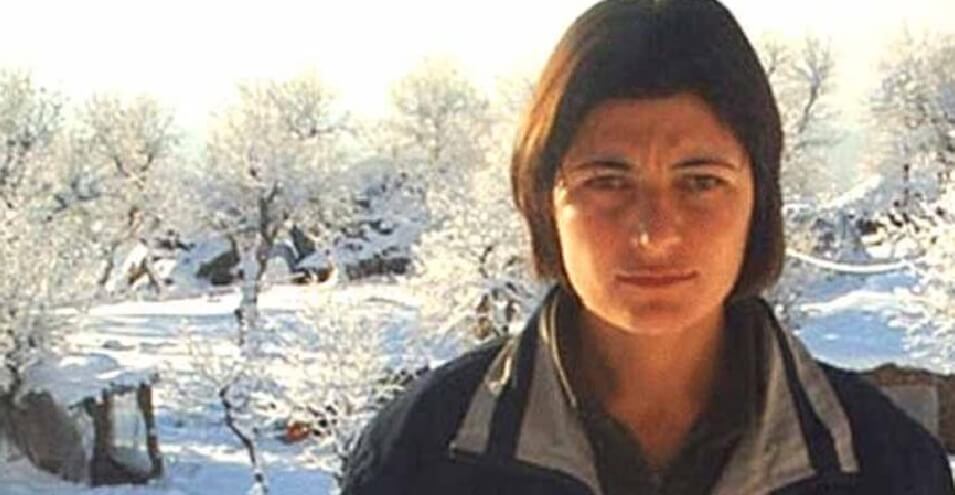
Amnesty International, in its latest report on the situation of Zeinab Jalalian, a Kurdish political prisoner, states that the Islamic Republic’s Ministry of Intelligence has withheld medical services from Ms. Jalalian in order to pressure this political prisoner into making television confessions.
According to text published on Amnesty International’s website in the form of a letter to Iran’s head of the judiciary, with reference to the unfavorable physical condition of this Kurdish political prisoner sentenced to life imprisonment, the Ministry of Intelligence has refused to transfer this political activist to a prison in West Azerbaijan near her family’s residence so that Ms. Jalalian would appear before cameras and express remorse for her past political activities.
According to this human rights organization’s report, since March 31, 2020, when the coronavirus spread and expanded in prisons across Iran, Zeinab Jalalian has been transferred to four different prisons in various Iranian cities. Amnesty International writes that Ministry of Intelligence agents, through the use of torture and prolonged solitary confinement in cells, have prevented medical care for this Kurdish political prisoner.
The organization, while demanding the immediate release of Zeinab Jalalian, has emphasized that Ms. Jalalian should receive adequate healthcare until her release, including transfer to medical centers outside the prison, and that she should be protected from further torture and mistreatment.
Zeinab Jalalian, who is spending her eleventh year of imprisonment in Khouy Prison, is from Makoo city. She was arrested in Kermanshah in March 2008. Iran’s judicial system initially sentenced her to execution on charges of moharebeh (enmity against God) and membership in a Kurdish party, and then in an appellate court, she was sentenced to life imprisonment.
Forced confessions accompanied by violence by Iranian security forces have been raised repeatedly before. The use of this confession-extraction method, which has been repeatedly criticized by human rights bodies, continues to be practiced by the Islamic Republic’s judiciary.
Some of these forced confessions of detainees, such as those of Maziar Bahari, Maziar Ebrahimi, Sepideh Ghilian, Ebrahim Bakhshi, Saeid Malekpour, and dozens of others, have been broadcast on Iran’s official television networks.
Human rights organizations say that the Islamic Republic does not handle accusations fairly and sometimes innocent individuals have been tried and even executed. The U.S. State Department has repeatedly condemned in various instances the violent conduct and widespread repression of protesters, as well as the repeated and continuous violations of the rights of Iranian citizens by the ruling regime in that country.
Source: Voice of America