Arrest of 14 Bahai Citizens in Qaemshahr
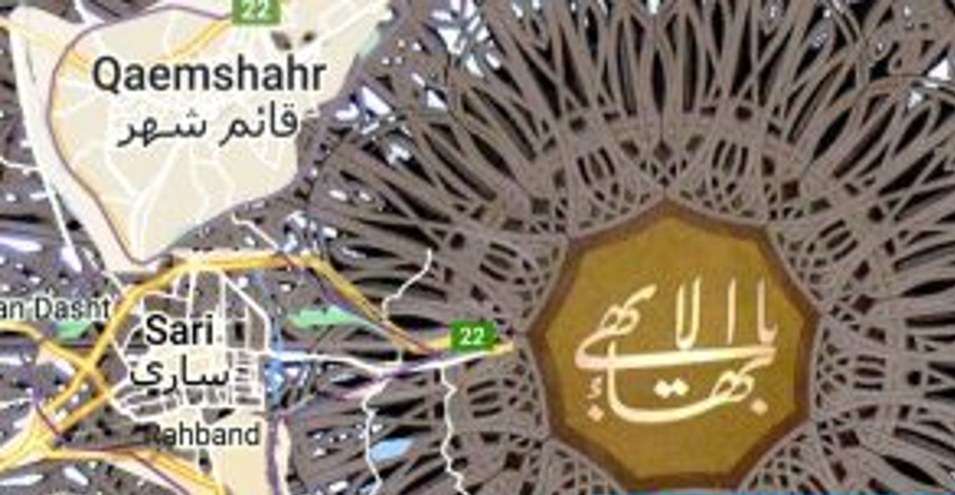
Hrana News Agency – Mahsa Fathi, Samieh Gholi Nejad, Negar Darabi, Basir Samimi, Hengameh Alipour, Afnaneh Nemat, Mojir Samimi, Mani Gholi Nejad, Nazanin Gholi, Sam Samimi, Sanaz Hekmat Shaar, Bita Haghighi, Anis Sanai, and Golban Fallah, fourteen Bahai citizens residing in the cities of Sari and Qaemshahr, were arrested by security forces in Qaemshahr on Wednesday, September 9 and transferred to the Sari Information Bureau. The homes of three of these citizens were searched by security forces.
According to Hrana News Agency, the news outlet of the Iranian Human Rights Activists Network, on Wednesday, September 9, 1401, fourteen Bahai citizens residing in the cities of Sari and Qaemshahr were arrested by security forces.
The identities of these citizens are Mahsa Fathi, Samieh Gholi Nejad, Negar Darabi, Basir Samimi, and Hengameh Alipour, residents of Sari, and Afnaneh Nemat, Mojir Samimi, Mani Gholi Nejad, Nazanin Gholi, Sam Samimi, Sanaz Hekmat Shaar, Bita Haghighi, Anis Sanai, and Golban Fallah, residents of Qaemshahr, as confirmed by Hrana.
An informed source regarding the arrest of these citizens told Hrana: “All of these citizens except Sanaz Hekmat Shaar and Golban Fallah were arrested at 4 p.m. at Mojir Samimi’s residence. Then security forces first searched Bita Haghighi’s home and subsequently visited the homes of Ms. Hekmat Shaar and Ms. Fallah in order. During the search of the homes, the officers also arrested these two Bahai citizens.”
These Bahai citizens were transferred to the Sari Information Bureau after their arrest.
As of the time of this report, there is no information about the charges against these citizens.
Bahai citizens in Iran are deprived of freedoms related to religious beliefs. This systematic deprivation occurs despite Article 18 of the Universal Declaration of Human Rights and Article 18 of the International Covenant on Civil and Political Rights, which grant every person the right to freedom of religion and belief, the right to change religion and belief, as well as the freedom to manifest religion individually or collectively, publicly or privately.
According to unofficial sources in Iran, there are over three hundred thousand Bahais, but Iran’s Constitution only officially recognizes Islam, Christianity, Judaism, and Zoroastrianism and does not recognize the Bahai faith. For this reason, the rights of Bahais in Iran have been systematically violated in recent years.
Source: Hrana