Arrest of Lawyers Under International Human Rights Scrutiny and Warnings Regarding Denial of Legal Counsel in Iran
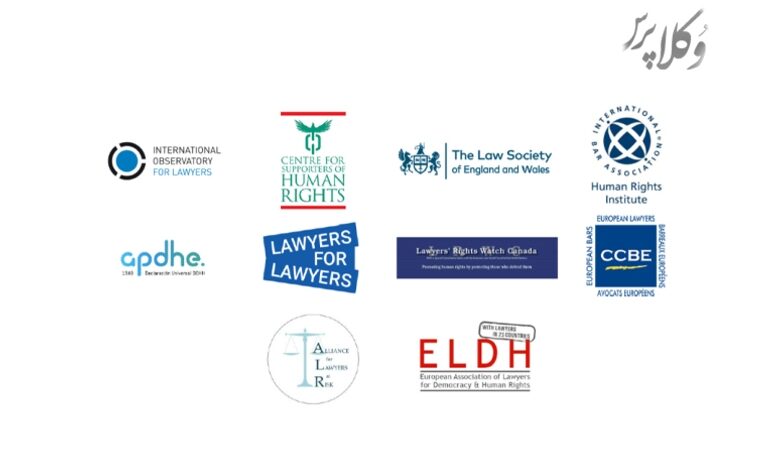
Following warnings from the international legal community regarding denial of legal counsel in Iran, international bodies issued a joint statement calling for an end to the arrest of lawyers and guaranteed immediate access to counsel for detainees.
A group of organizations and prominent figures from the international legal community released a joint statement expressing serious concern over what they described as “systematic deprivation of nationwide protest detainees from access to legal counsel.” The statement also addresses the arrest, threats, and pressure against lawyers who have taken on the defense of protesters or documentation of alleged violations.
In this statement signed by 10 legal and human rights organizations, it was emphasized that preventing immediate access of detained persons to counsel conflicts with Iran’s international obligations and constitutes a violation of fundamental principles of fair trial. The signatories called for an immediate end to this practice, guaranteed full and unobstructed access for all detainees to legal counsel, and the release of all lawyers arrested solely for carrying out their professional responsibilities.
The statement clarified that access to counsel from the moment of arrest is one of the fundamental safeguards for preventing torture, ill-treatment, forced confession, and violation of fair trial. This right is recognized in international instruments, including the International Covenant on Civil and Political Rights and the United Nations Basic Principles on the Role of Lawyers. The signatories, citing reports about the arrest and threats against lawyers who intended to defend protesters or document violations of due process, described these actions as “a direct attack on the rule of law.”
In the aforementioned statement, the names of several arrested or pressured lawyers were mentioned, including “Shima Qosheh,” “Mohammad Hadi Jafarpour,” and “Enayatollah Karami.” Other cases were also mentioned, including “Nazanin Boroujerdi,” “Hossein Shokri,” “Mehdi Ansari,” “Mehran Ansari,” “Jafar Keshavarzi,” “Jafar Zarei,” “Zahra Javan,” “Sepideh Taheri,” “Timour Salari,” “Alireza Farzaneh Jajromi,” “Amir Bahadrifar,” “Mohsen Derginezad,” and “Dariush Ganjeipour Ghashghai.”
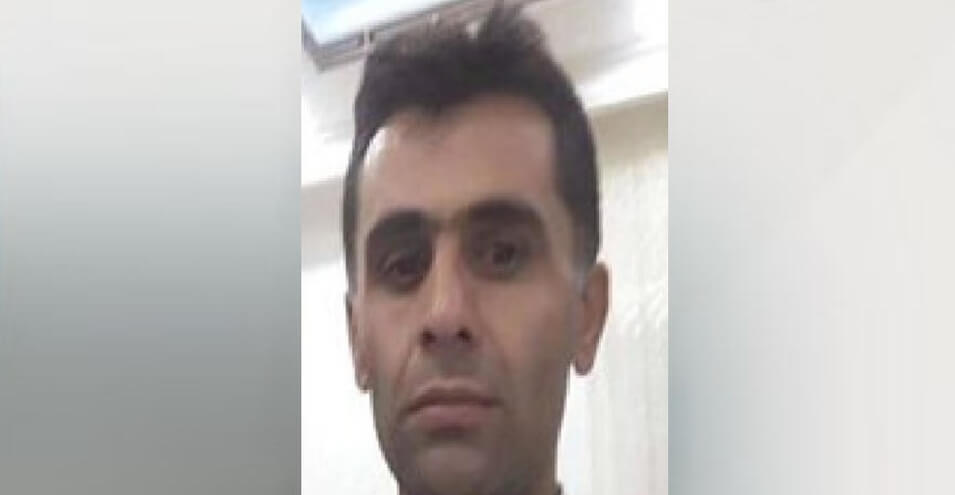
The signatories also expressed serious concern about the situation of “Masoud Shirmerdi Shahqasemi” and reported that he has been denied access to a lawyer and, according to reports, was subjected to beating and torture during detention and denied medical services.
According to international standards, including the Covenant on Civil and Political Rights, every person has the right to access their chosen counsel in the shortest possible time and to receive a fair and public trial. In recent years, UN Special Rapporteurs and human rights organizations have repeatedly warned about restrictions imposed on independent lawyers in Iran.
Legal experts believe that pressure on lawyers not only violates the individual rights of defendants but also weakens the criminal justice system. When lawyers face the risk of arrest or deprivation due to fulfilling their professional duties, the principle of professional independence of the legal profession is called into question, and the possibility of effective oversight of legal proceedings is diminished.
In Christian tradition, defending justice and standing with the oppressed holds a central place. Many Christian leaders and organizations believe that free access to counsel and fair trial are part of the divine dignity of every human being. Within such a framework, supporting lawyers who work to defend the rights of detainees is not only a legal demand but also a moral duty.
The international legal community’s statement was released while concerns about the situation of nationwide protest detainees continue. The signatories emphasized that respect for the right to defense, guarantee of lawyers’ independence, and an end to pressure against them would be a fundamental step toward restoring public confidence in the justice system and honoring Iran’s international obligations.