Call for Violence on the Eve of Easter; ISIS’s Direct Threat Against Churches and Synagogues
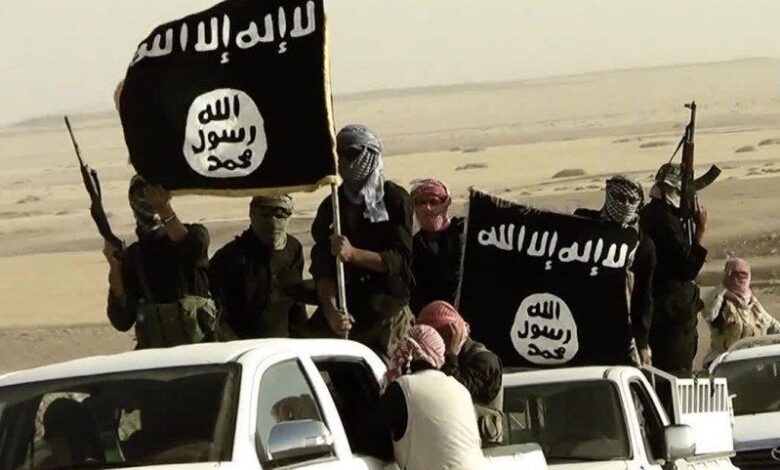
A call for violence on the eve of Easter is a fresh alarm bell that, by targeting churches and synagogues, has heightened concerns about the security of religious minorities around the world.
While Christians and Jews in various parts of the world are preparing to celebrate the religious ceremonies of Easter and Passover, the dissemination of a violent call by the group known as ISIS has once again brought the threat against places of worship and followers of religions to an alarming level; a threat that targets not only physical security but also peaceful coexistence between religions.
This extremist group, in its weekly publication, has called upon its supporters in an inciting tone to target Jewish and Christian places of worship in the coming days. The statement reads: “In response to the catastrophe of the closure of the blessed Al-Aqsa Mosque, it is incumbent upon Muslims everywhere to rise up and set fire to synagogues of the Jews scattered throughout America, Europe, Russia, India, and other places.”
Such statements are being made under circumstances in which regional tensions in the Middle East, particularly regarding sacred sites in Jerusalem, have intensified. Israeli authorities’ decision to restrict access to the Al-Aqsa Mosque compound due to security considerations has become one of the main focal points of harsh reactions by extremist groups. However, analysts emphasize that using these developments as a pretext for promoting violence against civilians and places of worship demonstrates the ideological and anti-humanitarian nature of such groups.
Further in this statement, ISIS has gone even further and called upon its supporters to target Jewish gatherings and specifically urged them to emulate the actions of the Sydney “heroes” (a clear reference to a deadly attack that previously claimed the lives of tens of people). These types of references demonstrate an attempt to model violence and replicate it in different parts of the world.
Reports published in international media also indicate that security agencies in Europe and North America have raised alert levels on the eve of these holidays. In recent years, religious occasions have repeatedly been targeted by extremist attacks, including attacks on churches in Africa and Asia or attacks on synagogues in the United States and Europe. This history has doubled concerns about such threats being carried out.
From a critical perspective, what matters more than the threat itself is the conditions that contribute to the growth and persistence of such discourse. The silence or inadequate response of the global community to explicit threats against religious minorities could lead to the normalization of violence. Furthermore, extremist groups’ exploitation of political and religious tensions to attract members and legitimize their actions shows that the crisis is not merely a security one, but rooted in deeper cultural and ideological divides.
For the Christian community, these threats serve as a reminder of the fragility of security in many parts of the world; places where faith and worship, rather than bringing peace, become a source of danger. In such circumstances, solidarity among religions and collective resistance against violence become more important than ever.
Ultimately, ISIS’s recent call is not merely a temporary threat, but a sign of the continuation of a project aimed at creating fear, division, and instability in multi-religious societies. Countering this process requires vigilance, international cooperation, and an emphasis on shared human values; values that perpetrators of violence are precisely seeking to destroy.