Continued currency fluctuations in the open market; the value of the rial has fallen another 30 percent
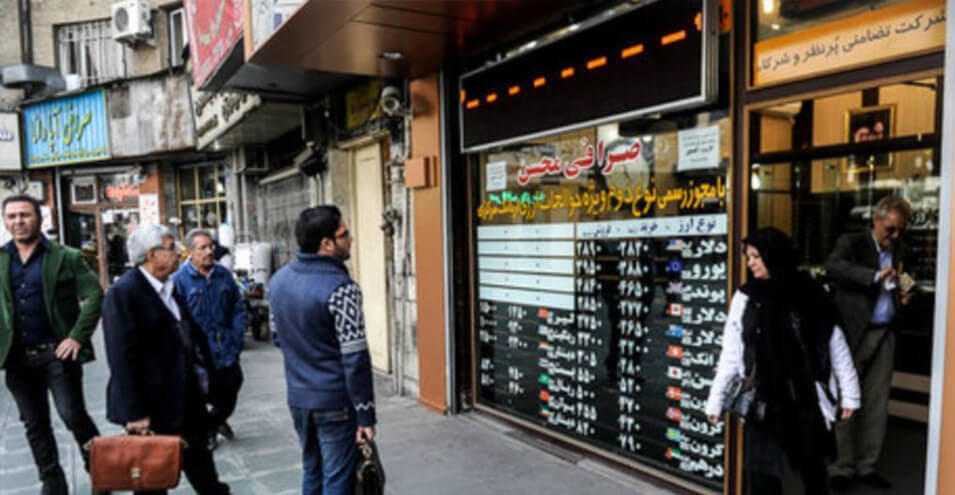
Reports from Iran indicate that the open foreign exchange market was turbulent on Wednesday, September 5, with the price of each US dollar fluctuating between 14,000 to 15,000 tomans. However, by the end of the day, each dollar was fixed at the rate of 14,000 tomans.
Each euro was also traded up to 16,000 tomans and the price of the pound reached 18,000 tomans.
The ISNA news agency reported in this regard that each US dollar on Wednesday was traded between 15,200 to 15,500 tomans. However, according to this news agency, “money changers buy currency from people and sell it to brokers, and it is the brokers who determine the exchange rate; not the money changers and the government.”
ISNA added that “the chaos in the currency market was such that prices and their increases no longer mattered to people and they only wanted to buy currency as soon as possible.”
Each coin was also traded at approximately 4 million and 650,000 tomans on Wednesday.
The prices of various foreign currencies in the open market have witnessed severe fluctuations in recent days, and the dollar price has increased by more than 3,000 tomans in the past five days, rising from approximately 11,000 tomans to 14,000 tomans.
This upward trend indicates that the value of the Iranian rial has lost 30 percent during this period.
The Associated Press reported on Wednesday that since the United States withdrew from the JCPOA on May 8 of this year, the value of Iran’s national currency has declined by more than 140 percent.
The news agency adds: “Signs of a currency crisis are visible throughout Tehran, and travel agencies only offer their tours in foreign currency and diapers have become scarce in shops.”
“Many money changers in central Tehran have turned off their electronic boards and some of them only sell dollars to buyers at the price of 15,000 tomans.”
Mostafa Shahryar, 40, a dollar buyer, told the Associated Press that “everyone is worried.”
Currently, there are several exchange rates for the dollar. While the Iranian government says the dollar rate for importing essential goods is 4,200 tomans, the price of the dollar in the NIMA system, which is related to the sale of foreign currency from non-oil exports, is below 10,000 tomans.
ISNA news agency says that an interesting point that stood out more on Wednesday was the large gap in official prices of money changers that were written on their boards, as for example the selling price of the dollar varied from 13,700 tomans to 14,600 tomans and the euro also ranged from 15,700 tomans to 17,500 tomans.
Recent fluctuations in the currency market began in late February and following rumors about the United States withdrawing from the nuclear agreement between six world powers and Iran, and after the Nowruz holidays, prices increased sharply.
Apart from the rise in foreign exchange rates, prices of essential goods, automobiles, and coins have also seen sharp increases.
The Hassan Rouhani administration made several attempts in recent months to control the market by presenting new currency policies, but due to excessive liquidity in society, the US withdrawal from the JCPOA and the return of sanctions in mid-August, and the central bank’s refusal to inject dollars into the market, none of these policies have been successful.
Source: Radio Farda