When Playing with People’s Lives Under the Pretext of “FATF is Unreliable”

Rouhani warned that failing to approve FATF bills is playing with people’s lives. The secretary of the Expediency Discernment Council is concerned that approving them will deprive the government of a “diplomatic tool.” A parliament member said “if FATF is sincere, it should provide information about Soleimani’s assassination.”
Hassan Rouhani, the President of Iran, on Wednesday, the 13th of Esfand (March 3rd), once again warned in a cabinet meeting about the heavy cost of not joining the Financial Action Task Force (FATF) and not approving its bills. He said: “This matter is directly related to the lives and pockets of every citizen, and if we do not join this group and these bills are not implemented, we must explain to people who should bear this cost.”
IRNA news agency reported that he said all countries not only have joined the Financial Action Task Force, but are “striving to achieve higher rankings” within it. Opposition to FATF, even if American sanctions are lifted, will be a serious obstacle to Iran’s trade exchanges with the world.
The four FATF bills were approved in the previous parliament and then in the Guardian Council, but they remained in limbo due to opposition from the current parliament and the Expediency Discernment Council to two of them: the Palermo Convention on combating organized transnational crime and measures against financing of terrorism.
Rouhani spoke about the economic consequences of Iran not joining this group: “When a country’s risk number rises, it means we have to pay more for money transfers, and this puts more pressure on the economy.” This step is so important that even allies of the Islamic Republic have advised its officials not to delay in taking it.
He asked the Expediency Discernment Council to “demonstrate its power to solve the financial problems of the people” and emphasized that this matter has no connection to the JCPOA and sanctions.
Display of Power by the Secretary of the Expediency Discernment Council
Mohsen Rezaei, the secretary of the Expediency Discernment Council, accused government officials of “contradictory statements” in his press conference today and said: “One of the ministers said you should approve these bills because at any moment sanctions might be lifted so we are ready and can work,” but “this statement itself is ambiguous, meaning no one tells the council members when sanctions will be lifted.”
He said the Expediency Discernment Council is waiting for the government to provide a “documented and written response” on this matter so the council can hopefully “reach a conclusion” next month.
This is despite the fact that not only the government, but no Iranian official has the ability to predict when sanctions will be lifted. Meanwhile, the secretary of the Expediency Discernment Council asked the government to “guarantee” that if the FATF-related bills are approved, the Financial Action Task Force will accept Iran’s membership.
Meanwhile, from Mohsen Rezaei’s statements, it emerges that creating transparency regarding organized crime and combating financing of terrorism is a serious problem for the Islamic Republic. He views the approval of these two bills as “taking away the diplomatic tool of the Islamic Republic” and said: “If you take these two diplomatic tools from the country, have you received such a guarantee from the other side to convince them that Iran should join FATF?”
Soleimani’s Assassination and FATF “Sincerity”
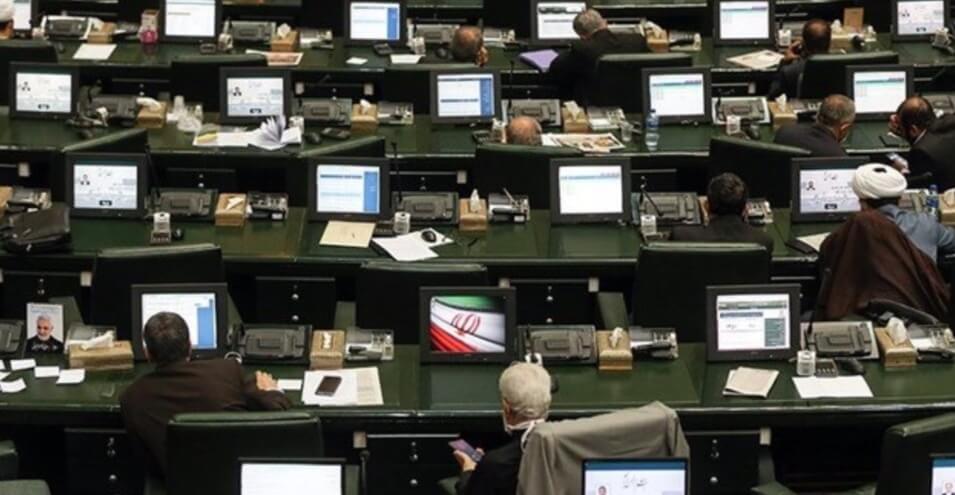
In the midst of the dispute between the government and opponents of the Financial Action Task Force bills, Alireza Salimi, representative of Malayayer and Delijan and a supervisory member of the presidium of the 11th parliament, said: “If FATF is sincere, let it provide us with information about the assassination of martyr Soleimani. Why don’t they give us information about the assassination of martyr Fakhrizadeh? Why are they silent? Let them provide us with information about the assassination of martyr Beheshti.”
His statements were met with a wave of mockery in Iranian cyberspace and media with the hashtag “if fatf is sincere.”
Asre Iran newspaper wrote about Alireza Salimi’s statements: “His perception of this international institution that determines standards for combating money laundering and financing of terrorism is that it possesses information related to assassinations.”
Asre Iran examined his educational qualifications and number of votes as one of those who passed the Guardian Council filter and apparently should have the competence to represent the people, and reached these conclusions: “He is not young. His credential is also mentioned as a doctorate in jurisprudence and foundations of law,” and the number of his votes is slightly more than 10,000 votes.
Asre Iran wrote that such a person with this level of public knowledge “is deciding about the fate of our economy” and said “the analyst is right who says that with this kind of outlook and understanding, our negative 5 percent economic growth is a masterpiece!”
Source: Y