Corona in Iran; “Tehran’s situation is not favorable at all”
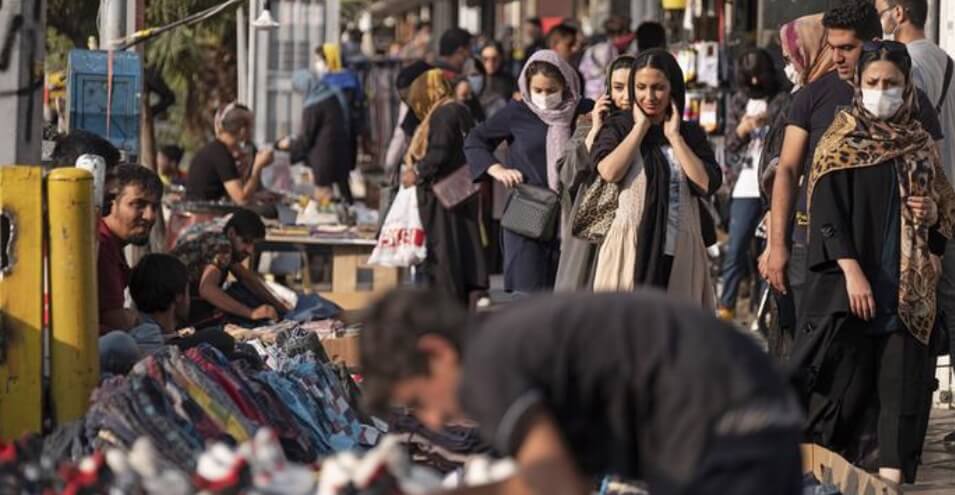
The new wave of coronavirus has put almost all regions of Iran in a red and alert situation, but the condition of cities like Tehran is more severe. The deputy head of Tehran Province’s coronavirus control headquarters says travel restrictions from the capital may be imposed.
Given the sharp increase in cases, hospitalizations, and deaths related to COVID-19, the National Coronavirus Management Headquarters finally agreed to impose restrictions and ban certain activities in Tehran Province for one week after a period of delay.
The deputy of treatment at Tehran Province’s coronavirus control headquarters on Monday, October 5, called the number of COVID-19 deaths in the capital “significant” and warned that if we witness travel to the north or other cities by the end of the week, “the possibility of a new peak of the disease would not be unlikely”.
Nader Tavakkoli told ISNA news agency that the coronavirus control headquarters, considering the current situation, is considering imposing restrictions, one of which could be limiting travel to the north.
Mohsen Hashemi, head of Tehran City Council, says Tehran’s closure should last at least two weeks to be effective in breaking the chain of transmission and virus spread.
Tehran on the brink of a tsunami of corona deaths
Hashemi warned in a tweet that Tehran is on the brink of a tsunami of coronavirus deaths and a one-week closure of some businesses is a conservative and ineffective measure.
The head of the health committee of Tehran City Council announced yesterday that 136 people with COVID-19 in the capital lost their lives in 24 hours.
64 percent of Iran’s deaths in Tehran
For this period, the number of coronavirus victims across Iran was reported to be 211. On this basis, slightly over 64 percent of coronavirus deaths were related to Tehran.
The deputy head of Tehran’s coronavirus control headquarters told ISNA: “If people do not comply with health guidelines and the course of the disease and transmission chain is not controlled, the course of deaths will certainly be increasing. The number of coronavirus deaths in Tehran is significant; in recent days we have experienced record hospitalizations and deaths in the province.”
Since the first weeks after the official confirmation of coronavirus spread in Iran, the Ministry of Health has stopped releasing disaggregated statistics of cases and deaths in different provinces and cities. What is reported in the media about the situation in different regions, including Tehran’s difficult situation, has been largely stated by local officials.
New record for daily cases
According to the Health Ministry spokesman, in the 24-hour period ending October 5, 3,902 new cases of coronavirus were identified in Iran and 235 COVID-19 patients died. In the past seven and a half months, there has been no day when the number of cases reached this level.
Sima Sadat Lari, stating that 26 provinces are in red status and four provinces are in alert status for coronavirus, said the total number of infected people reached 475,674 and the number of victims reached 27,192.
The new wave of coronavirus spread in Iran is much more severe and widespread than the previous two waves. According to Health Ministry statistics, at the peak of the previous two waves in March and June, the number of cases exceeded three thousand only for three consecutive days, but for the past 16 days this situation has continued every day.
Continuation of unprecedented increase in cases
From October 27 to today, the number of new cases has never been less than 3,500 people, and during this period the record for the highest number of cases has been broken several times.
The epidemic situation in Iran is considered concerning in that the increase in cases and deaths has continued for about three weeks with minor fluctuations, and the number of new cases today is nearly three and a half times the cases on September 13.
Lari said in a Saturday press conference that the rate of compliance with health guidelines in Tehran Province is 46 percent and below the national average, and according to surveys, mask usage by people in public centers and places is 59 percent and in public transportation is 50 percent.
The Health Ministry spokesman says cases and hospitalizations in Tehran are also higher than the national average, and currently more than 4,600 coronavirus patients are hospitalized in medical centers in the capital.
Possibility of three to five-fold increase in Tehran cases
Aliireza Zali, commander of the coronavirus control headquarters in Tehran metropolis, warned Friday on a television program that if the situation of coronavirus spread in Tehran and the “exponential course of the disease” continues as it is, we should expect a three to five-fold increase in the number of cases and a one and a half to three percent increase in the death rate.
The deputy of treatment of this headquarters on Monday, emphasizing that “Tehran’s situation is not favorable at all,” advised citizens not to leave home for unnecessary activities and added that the provincial central headquarters is pursuing the approval of travel restrictions to the north, which will be implemented if finalized.
Many experts believe that the peak of cases and deaths from COVID-19, which began in the third week of September and continues, is largely due to Muharram ceremonies and gatherings and increased travel during the holidays of this month.
Warning to citizens: do not travel
Hamsahri newspaper on September 30 reported that the statistics of trips to northern Iran show that in the past five days about four million people traveled to three provinces of Golestan, Mazandaran, and Gilan. Golestan is in alert status for coronavirus spread and the other two provinces are in red status.
Peyam Tabarsi, head of the infectious disease department of Masih Daneshvari Hospital on October 5, called the situation of the epidemic in Iran critical and told ISNA that the spread of coronavirus, especially in Tehran from weeks before and “after lifting restrictions and risky behaviors” was predictable.
He emphasized the direct impact of travel on increasing coronavirus statistics and, considering upcoming holidays, advised citizens to avoid unnecessary travel. He added: “If people want to continue participating in ceremonies as they did in previous weeks and continue traveling, the number of cases will increase more and more.”
Source: DW