“Deliberate Deprivation” of Access to Treatment; Amnesty International Warns Over Kamal Sharifi’s Situation

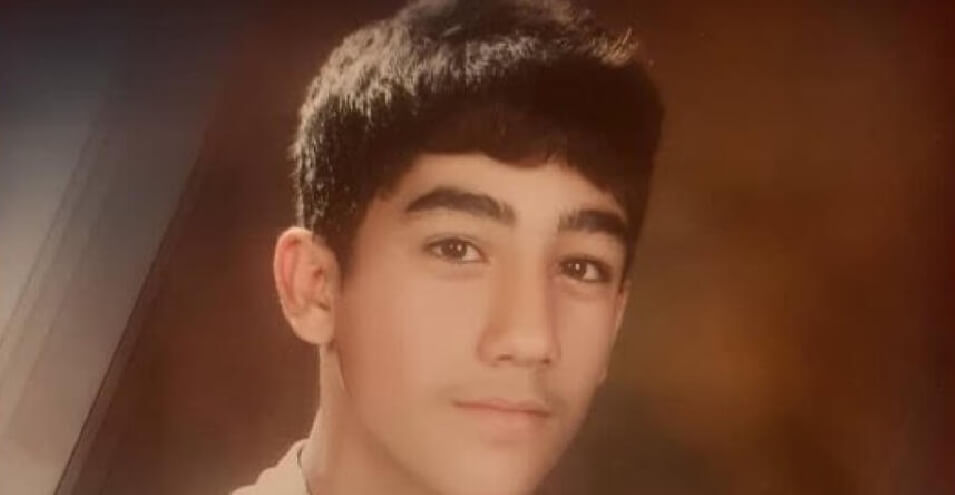
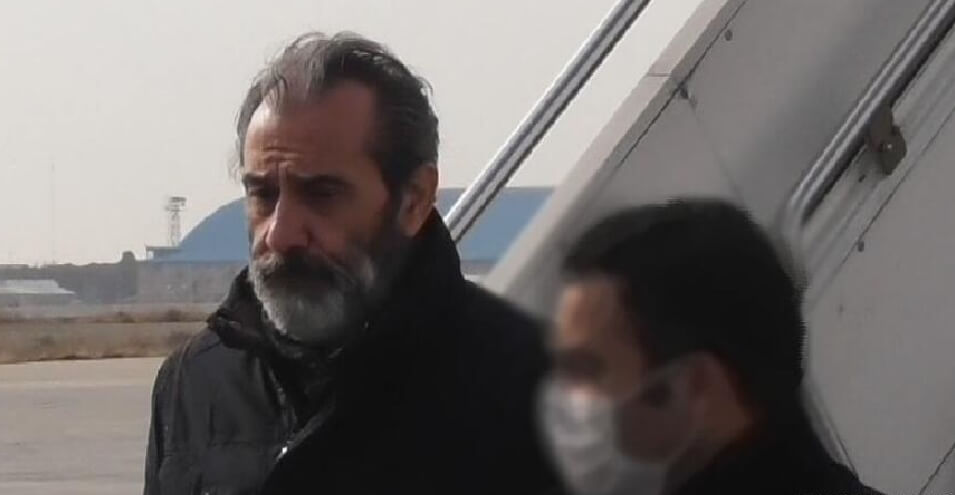
Amnesty International issued an urgent action appeal on Thursday, January 28, expressing concern over the situation of Kamal Sharifi, a Kurdish political prisoner in Iran.
The human rights organization addressed Gholamhossein Mohseni Ejei, the head of Iran’s judiciary, and called for the immediate release of this political prisoner.
Amnesty International states that given Kamal Sharifi’s poor physical condition, his life would be in danger if he contracted COVID-19.
Kamal Sharifi suffered a heart attack in prison in March of last year, and after undergoing surgery, he was deprived of necessary medical care.
According to the organization, he suffers from digestive disease, joint pain, and gum atrophy, and due to “prolonged and deliberate deprivation” of access to essential and specialized medical services, he faces irreparable harm.
The statement notes that 49-year-old Kamal Sharifi, who has been imprisoned since June 2008, was sentenced to 30 years in prison and exile to Minab prison by the Saghez Revolutionary Court on charges of “enmity against God” through “membership in the Kurdistan Democratic Party.”
Amnesty International states that this political prisoner was convicted of this severe punishment after an unjust trial process, in a five-minute court hearing based on “forced confessions obtained under torture.”
According to the court’s ruling, Kamal Sharifi has been deprived of certain prisoner rights including furlough and family visits, deprivations that have caused him severe psychological harm.
The human rights organization called on Iran’s judiciary chief to investigate this political prisoner’s complaints regarding torture and other mistreatment in prison, as well as the reasons for his deprivation of appropriate medical facilities.
Amnesty International stated in its announcement that officials of Iran’s judiciary and the Islamic Republic’s prison organization deliberately deprive political and ideological prisoners of access to appropriate medical facilities in many cases, which is “a cruel act aimed at intimidation and double punishment of prisoners.”
“Mistreatment” in prisons and the deprivation of political prisoners of appropriate medical facilities is an issue that has repeatedly been criticized by the United Nations and human rights defenders.
This deprivation has in some cases led to the death of certain political prisoners, including poet and imprisoned writer Baktash Abtin.
The Iranian Writers Association called the death of this member “murder” and announced that the failure to address Baktash Abtin’s condition and his delayed transfer to the hospital after contracting coronavirus was the cause of this writer’s death.
In recent years, other political prisoners such as Hadi Saber, Sasan Niknafas, Vahid Seyadi Nasiri, and Behnam Mahjoubi lost their lives due to lack of timely access to medical facilities.