Execution of a Recurring Project; Islamic Republic Detains Bahai Citizens on Charge of ‘Destruction of Public Property’
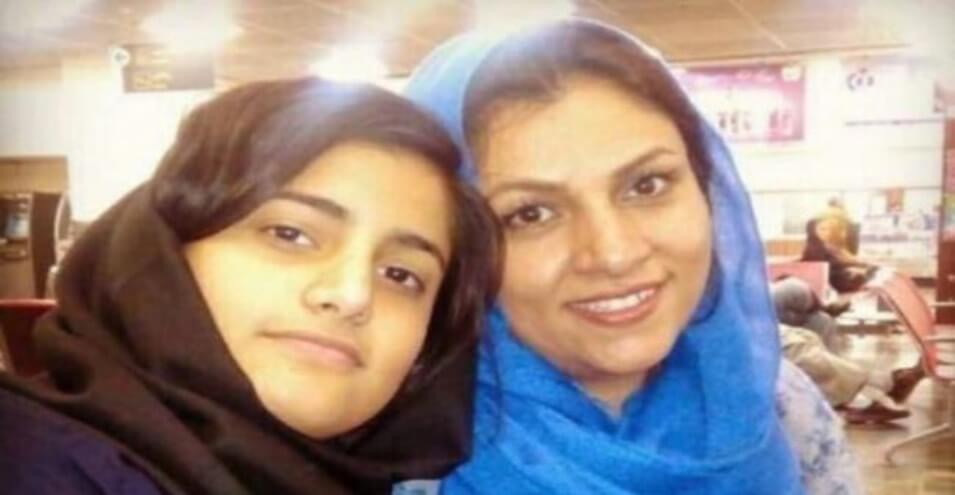
A Bahai citizen residing in Iran says that over the past few days, at least 13 Bahai citizens have been detained in the cities of Isfahan, Karaj, and Ahvaz in Khuzestan province following recent protests.
Payam Vali said on Monday, December 2, in an interview with Voice of America that the detention of Bahai citizens in various Iranian cities on charges of “destruction of public property” is an old project of the Islamic Republic to give authorities and officials the excuse to “arrest and oppress Bahais who have been under pressure and discrimination for forty years.”
This Bahai citizen, referring to the fact that he too was detained in Tehran along with several other Bahai citizens on charges of “destruction of public property” during the 2009 protests, told Voice of America that Iranian authorities are once again planning to spread false news to the public to claim that Bahais are the perpetrators of destruction and leaders of recent protests in Iran.
Fars News Agency, which is a media outlet close to the Revolutionary Guards in Iran, reported on Wednesday, November 20, citing the General Director of Islamic Propaganda of East Azerbaijan, that a significant number of those detained in recent protests are Bahai citizens living in Iran.
According to Mr. Vali, over the past few days, at least 10 Bahai citizens in Isfahan, 2 other citizens in Ahvaz, Khuzestan, and one other Bahai citizen residing in Karaj have been detained by security forces and transferred to unknown locations.
The Islamic Republic’s treatment of Bahai citizens has a long history, and this is not the first time that Bahai citizens have been detained on baseless charges in various Iranian cities.
Based on news published on social networks on Friday, December 8, Mehran Elahidadi, Vahideh Niyazmand, Shahab Fardosian, Nasim Jabari, Nasser Lotfi, Qodous Lotfi, Sagher Monuchehrzadeh, Homa Monuchehrzadeh, and Shahbaz Bashi, Bahai citizens living in Baharestan, a suburb of Isfahan Province, were detained by security forces and transferred to an unknown location.
On Saturday, December 9, Ismail Farzaneh and Bardia Farzaneh, Bahai citizens living in Omidiyeh city in Khuzestan Province, were also detained after security forces visited their residence, searched it, and confiscated some of their personal belongings, transferring them to an unknown location.
According to Payam Vali, Nasser Rajab, a Bahai citizen living in Gohardasht, Karaj, was also detained by security forces last week and transferred to an unknown location.
On the other hand, the Campaign to Defend Political and Civil Prisoners also reported on Monday, December 2, that two Bahai citizens living in Zahedan, named Kimia Poorsadeghian and Nasim Shoghi, were detained by security forces on Tuesday, November 19, and transferred to an unknown location.
Following a sudden surge in gasoline prices, Iran witnessed widespread protests by the people against the Islamic Republic. One day after the protests began, on Saturday night, November 16, the Islamic Republic cut off the internet almost completely, and Morgan Ortagus, spokesperson for the U.S. State Department, in response to this action by the Iranian regime, said: “We condemn efforts to cut off the internet. Let them [the people] speak!”
President Donald Trump on Thursday, November 28, in his first public statement regarding the Iranian people’s protests, said: Iran has become so unstable that the regime shut down its entire internet system to prevent the Iranian people from being able to talk about severe violence that is occurring inside that country.
Previously, Mike Pompeo, the U.S. Secretary of State, during remarks at the unveiling of the Annual Report on Religious Freedom, stated that the suppression of Bahais, Christians, and other religious minorities in Iran remains a cause of serious concern.
International human rights organizations and the United States have repeatedly condemned the harassment and imprisonment of followers of religious minorities in Iran.