Secret and Bloody Executions; Exposing the Islamic Republic’s Role in Killing Protesters
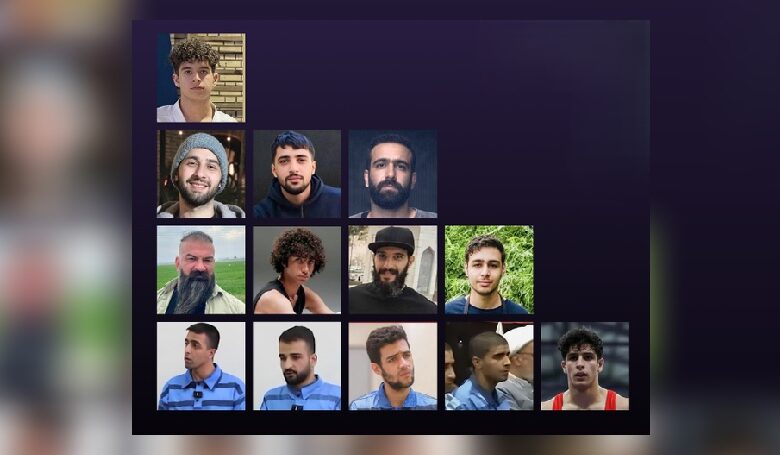
As only a few months have passed since the deadly crackdown on December protests, reports unveil the issuance and swift, covert execution of death sentences against detainees; a process that human rights organizations consider a clear example of “extrajudicial killings” and systematic use of the judicial system to eliminate protesters.
Nearly four months after the bloody crackdown on December protests, a wave of secret executions and severe judicial sentences against detainees has revealed new dimensions of organized violence in the Islamic Republic. According to data released by the human rights organization “Hengaw,” thousands of people were killed or arrested during these protests, and many of them now face death sentences; sentences issued in expedited proceedings without observing the most basic standards of due process.
These reports show that at least 35,000 citizens lost their lives during the protests and approximately 40,000 people have been arrested; shocking statistics that demonstrate the scale of suppression that critics describe as “crimes against the people.” Continuing this trend, at least 30 detainees have so far been sentenced to death with confirmed identities, and the sentences of 13 of them have been secretly carried out in prisons in Qom, Karaj, Mashhad, Rasht, and Isfahan.
Among the executed are names such as “Saleh Mohammadi, Mehdi Ghasemi, and Saeed Davudi (executed on March 19, 2026 in Qom), Amirhossein Hatemi, Shahin Vahedparest-Kolor, Ali Fahim, and Mohammad Amin Biglari (executed in early April 2026 in Qazalhesar Prison in Karaj), as well as individuals such as Erfan Kiyani, Sasan Azadvaar, Ibrahim Dolatabad, Mehdi Rasouli, and Mohammad Reza Miri; people who mostly lost their lives without public notification and in media silence.
Simultaneously, dozens of other prisoners are at risk of execution. Many of these individuals face charges such as “moharebeh” (enmity against God); a charge that has repeatedly been criticized by human rights organizations as a tool for issuing severe sentences and eliminating political opponents.
What has added to concerns more than anything is the direct role of judges such as “Abolghasem Solwati” and “Iman Afshary” in issuing these sentences; figures who have long been known for issuing severe and controversial sentences against political activists and protesters. The courts that issued these sentences have been likened by observers to “kangaroo courts”; places where defendants have been deprived of access to independent lawyers, effective defense, and fair trial proceedings.
Meanwhile, “Hengaw” has expressed grave concern and announced that the government’s deliberate internet cutoff has disrupted the information dissemination process, and in some cases, the identities of the executed have only been confirmed after sentence execution. The organization has warned that many detainees are in a situation of “forced disappearance” and could be executed at any moment without informing their families.
In a statement by this organization, it states that these sentences were “issued and executed very quickly without completing fair trial proceedings” and dozens of other prisoners face serious risk of execution. It has also been emphasized that deprivation of the right to “effective defense” and exclusion from “fair trial” is widely observed in these cases.
The organization continues with a warning tone, stating that direct responsibility for these executions lies with the Islamic Republic’s judicial system and security apparatus, and calls on the international community not to remain silent about this process. According to Hengaw, “continued silence in the face of these crimes will be equivalent to giving a green light to the Islamic Republic’s execution machine.”
Finally, this human rights organization has called for immediate intervention by international bodies, increased diplomatic pressure, and the dispatch of fact-finding missions to Iranian prisons; a request that, if left unanswered, could lead to the continuation of the cycle of secret executions and physical elimination of protesters.