Food Distribution Among Refugees in Malta Camp Halted
Following clashes between refugees living in a camp in Malta and local police, daily food rations are no longer being distributed among the refugees, and they must now purchase their own food with the meager amount of money they receive daily.
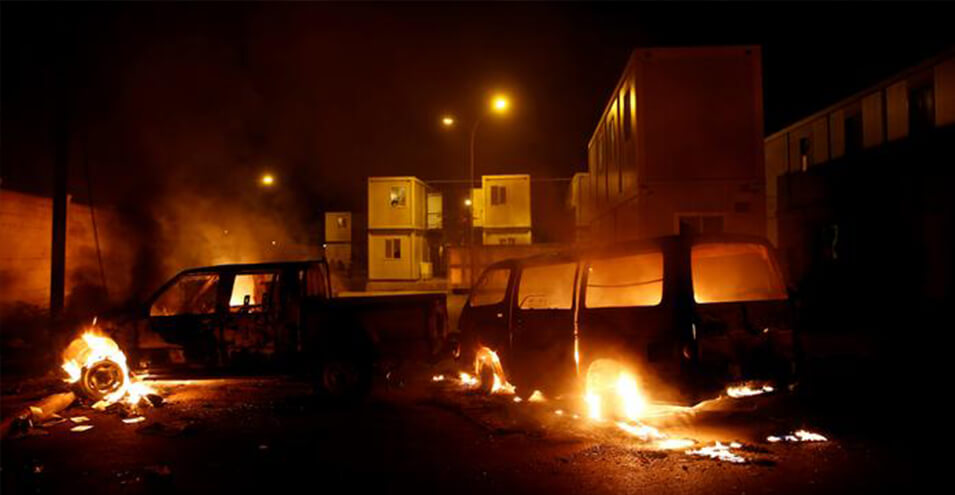
According to a report by “Times of Malta,” as of Sunday, October 20, food supplies have not been distributed among residents of the “Hal Far” refugee camp on the island. Clashes between refugees and police officers occurred on the evening of that day, continuing until early Monday morning. A camp official had refused entry to an intoxicated refugee, which prompted protests from other refugees and led to confrontations with police that escalated over time.
During these clashes, one police officer was injured, and refugees set fire to numerous rooms and facilities. Since that day, food distribution by camp authorities has been suspended. Prior to this incident, residents received two meals per day. They have now been told they must purchase their own food with the daily allowance provided to them: four euros and 66 cents.
Furthermore, refugees whose documents were destroyed in the fire no longer have access to the camp warehouse. Staff members of the aid organization “Mission Lifeline” are particularly concerned about the condition of adolescents in the camp who are unable to work and therefore have no way to earn additional money.
Following the clashes, all camp residents were initially detained. Non-governmental organizations assisting refugees have also expressed serious concern about the conditions in refugee camps in southern Malta, where hundreds of people are held in shipping containers under dire conditions, waiting for the European Union to finally accept them and relieve them from this catastrophic situation.
Dire Conditions for Refugees in Other European Countries
This is not the first camp to witness clashes between refugees or between refugees and local police, along with fires. About ten days earlier, during clashes between refugees in a camp on the island of Samos, at least three people were wounded by knife attacks. Other residents of this refugee camp were taken to hospitals due to breathing difficulties caused by smoke from the fire.
In late September, during a fire and clashes between refugees and police at the Moria camp, two people—a child and a woman—lost their lives. The Moria camp is located on the Greek island of Lesbos. The conditions for refugees in camps in Hungary and Serbia are also deplorable. In early April of this year, news reports emerged about mistreatment of asylum seekers by Hungarian authorities, including cases where food was withheld from groups of refugees.
Last summer, the European Commission announced that it had filed a complaint against Hungary with the European Court of Justice, as it believes Hungary’s policy toward refugees does not comply with European Union law.
Dictatorship, war, poverty, and environmental destruction have displaced millions of people worldwide, and many of them are attempting to reach Europe by any means possible—a difficult and dangerous path whose end remains uncertain as to whether these people will find any glimmer of hope.
Source: DW