Government Official: Land Subsidence Threatens Isfahan’s Entire Historic Fabric
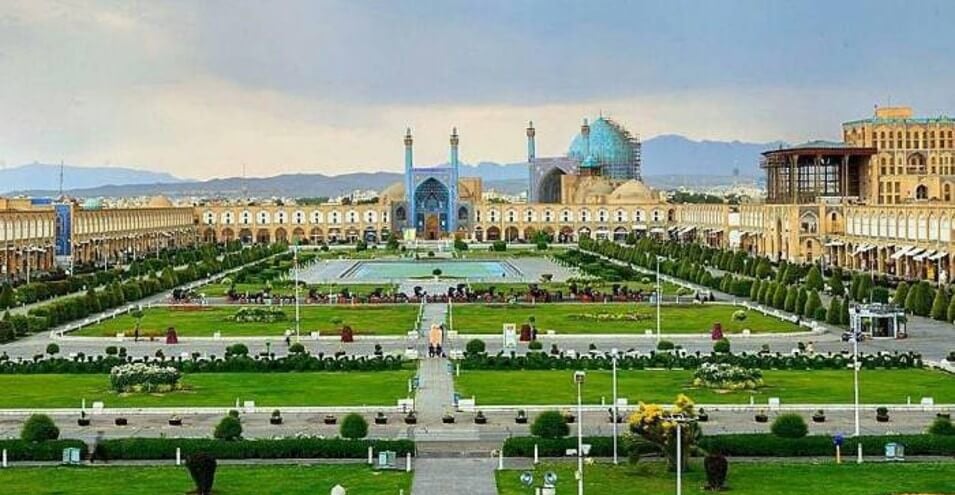
The head of the earthquake and risk management department at Iran’s Road, Housing and Urban Development Research Center says the danger of land subsidence threatens all of Isfahan’s historic fabric.
Ali Beitollahi said on Monday, April 1st, in a conversation with Trade News website, while emphasizing the importance of Isfahan’s historical monuments, that the historic fabric of this province is more at risk than other provinces.
He identified “Persepolis and Naqsh-e Rostam in Shiraz” and “the historic fabrics of Razavi Khorasan Province” as other sites facing the danger of land subsidence.
According to Beitollahi, the greatest “deficit in underground water reserves is respectively in Razavi Khorasan, Tehran, Kerman, Isfahan, and Fars provinces, but in Isfahan, the number of historical sites in danger of subsidence is much greater.”
The negligence of Islamic Republic officials regarding the land subsidence crisis in Iran and the pursuit of policies that cause its increase doubles the danger. As Mohammad Reza Jannathari, the political, security and social deputy of Isfahan province’s governor, said on Tuesday, March 6th: “If the importance of the population issue is understood, certainly its importance would be more important to us than land subsidence.”
Contrary to warnings about the forced migration of millions of people due to water scarcity, the Islamic Republic’s self-sufficiency policies in agriculture continue. As the head of the agriculture commission of the Cooperation Chamber claims that Iran has the capacity to produce food for “more than 300 million people.” Statements that, according to Kausar Nikahnag, a water sector expert, indicate that “managers have no understanding of the situation” and without regard to the danger of “public protests and even violence that cannot be prevented,” they pursue destructive policies.
Source: Voice of America