Internet Blackout in Sistan and Baluchestan Makes Life Difficult on Both Sides of the Border
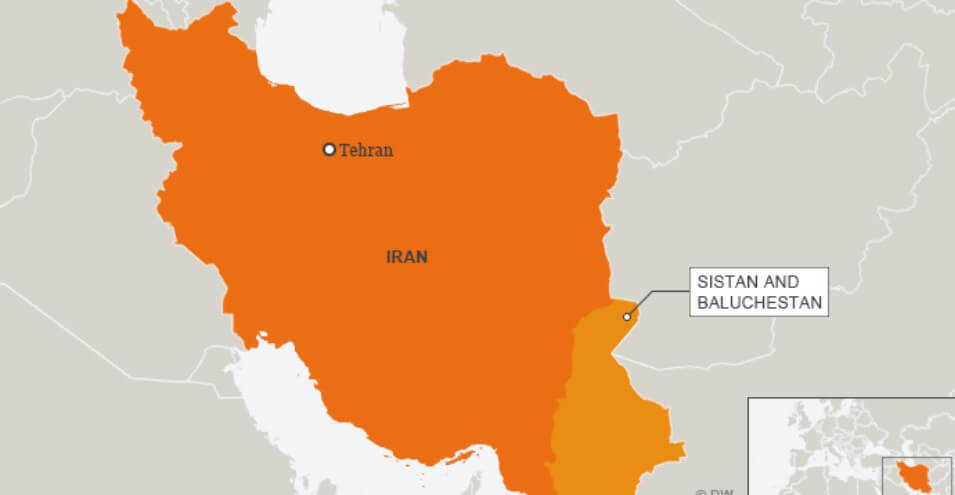
The representative of Zahedan says the internet in Sistan and Baluchestan is cut off for security reasons. The region’s people continue to protest the arrest of Sunni cleric Fathol-Rahman Kohi. Deutsche Welle’s correspondent in Pakistan reports on the continuous cuts to Iran’s electricity exports.
The internet in Sistan and Baluchestan province has been cut off for 17 days. Hossein Ali Shahryari, the representative of Zahedan in the Islamic Consultative Assembly, referring to the internet blackout across the country following the escalation of protests over the increase in gasoline prices, has stated that the reason for the internet cut in Sistan and Baluchestan province is not related to “riots.”
Without referring to details, he cited the activity of “foreign security services” as the reason for the continued internet blackout. Fixed and mobile internet in Iran were cut off 24 hours after the increase in gasoline prices and the start of public protests. Internet connection was gradually restored after five days in different parts of Iran.
However, Sistan and Baluchestan province is still deprived of internet access. Hossein Ali Shahryari claims that authorities have promised him that the internet in the northern part of the province, including Zahedan, will be restored soon.
Naser Balidaei, secretary general of the People’s Party of Baluchestan Iran, emphasizes in a conversation with Deutsche Welle that security forces have a strong presence in Sistan and Baluchestan province. Referring to the arrest of Maulavi Fathol-Rahman Kohi, a Sunni cleric and Friday prayer imam of the Pashmagard Sarbaz area, he says protests over his arrest continue.
Naser Balidaei says: “Mr. Kohi supported the people during protests over the increase in gasoline prices and condemned the suppression of peaceful protests, but he was summoned to court and arrested.”
Maulavi Fathol-Rahman Kohi was summoned to the special court for the clergy in Mashhad, but did not return from court and was arrested. Naser Balidaei says: “Young people in the region have been protesting for some time. Sistan and Baluchestan also witnessed public protests following the gasoline price increase, but as far as I know, the intensity of protests was not like cities such as Ahvaz, and fortunately no one was killed.”
The secretary general of the People’s Party of Baluchestan Iran, who lives outside the country, says eyewitnesses in Sistan and Baluchestan have told him that the presence of security forces is felt in many cities.
Referring to the continued internet blackout, he emphasizes that startups in the region, many of which are run by women, have been paralyzed.
While speculation continues about the reason for the continued internet blackout in Iran, Deutsche Welle’s correspondent in Baluchestan, Pakistan, says the internet blackout has affected the lives of people on both sides of the border, especially their bilateral trade.
He says that before the protests in Iran, a meeting was held between commercial representatives on both sides of the border in Zahedan, the agenda of which was to improve bilateral economic relations. But now business activists in Pakistan’s Baluchestan say they cannot continue cooperation with the current conditions and cannot risk their trade.
Bilateral trade across the border has faced problems since the beginning of the year, after the city of Quetta in Baluchestan province blocked all bank accounts belonging to the consulate of the Islamic Republic of Iran. Deutsche Welle’s correspondent says that Iran’s electricity exports to Pakistan, especially to the Baluchestan region, are now continuously being cut off.
Residents of Pakistan’s Baluchestan have said that since the protests in Iran, their electricity has been cut off for long hours, and they also have no internet.
Iran and Pakistan signed a power export agreement of megawatts in 2002. In May of this year, during the Pakistani Prime Minister’s visit to Iran, the Iranian government announced it was pursuing increased economic and trade relations with Pakistan. On December 2, Ali Bakhshi, head of Iran’s Electricity Industry Syndicate, reported the entry of the private sector to increase electricity exports from eastern Iran to Afghanistan and Pakistan. But now residents of Pakistan’s Baluchestan are complaining about continuous electricity cuts.
Source: DW