Iran and Immigration: Two Issues Creating Doubts Among Trump’s Christian Base
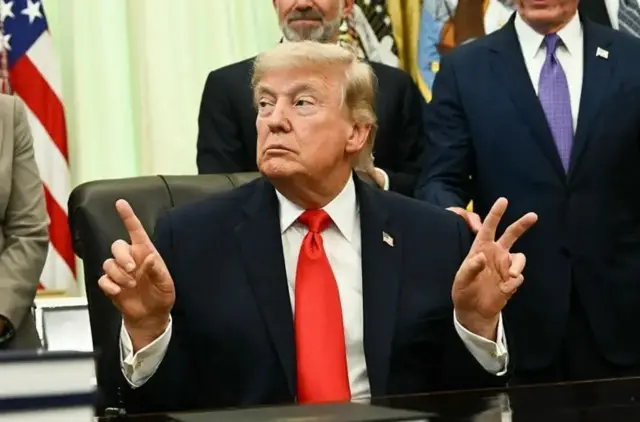
Results from a recent survey in the United States show that some of the most important political supporters of Donald Trump have developed serious doubts about certain key policies of his administration. According to this survey, approximately half of American evangelical Christians believe that the Trump administration’s approach to its conflict with Iran, as well as its strict immigration policies, are inconsistent with their understanding of Christian teachings—a matter that could influence the political alignment of Republicans ahead of the midterm elections.
A joint Reuters and Ipsos survey conducted between June 3rd and 8th reveals significant disagreement within the American evangelical community. According to the findings of this research, 54 percent of evangelical respondents said that the Trump administration’s use of military force in its conflict with Iran is inconsistent with their understanding of Christian values. Additionally, 51 percent also assessed the administration’s immigration policies as contradicting Christian teachings.
These results are significant because evangelical Christians are considered one of the main pillars of the Republican political coalition and played an important role in Trump’s victory in the 2024 presidential election. However, the new data shows that support from this group for the American president is no longer as solid as it once was. Trump’s favorability rating among evangelicals has now dropped to 52 percent, whereas this figure stood at 61 percent in August of last year.
Reuters reported that increasing public dissatisfaction with the Iran conflict and its economic consequences, including rising fuel prices, have not been without impact on the president’s popularity. In recent months, national surveys have also shown that a significant portion of American citizens do not hold positive views toward continued military engagement with Iran.
This comes as the Trump administration has sought in recent years to maintain and strengthen its ties with the evangelical community. During his first term as president, his appointment of conservative judges to the Supreme Court paved the way for overturning the federal right to abortion—a decision that for years had been one of the most important demands of the American evangelical movement. In his second term, the White House has frequently hosted religious leaders and implemented policies to expand the presence and expression of religious beliefs in government institutions.
Meanwhile, the extensive use of religious language by government officials in describing the Iran conflict and the administration’s political objectives has provoked different reactions among American Christians. Some evangelical leaders have supported the administration’s policies, while others have expressed concerns about mixing religious language with military and political decisions.
The White House, however, rejects these criticisms. Taylor Rogers, White House spokesperson, defended the president’s record, saying: “For Christian Americans, there has never been a president greater than President Trump.”
The Reuters/Ipsos survey was conducted with the participation of 4,531 adult American citizens, with a reported margin of error of approximately two percent. Although the majority of evangelicals continue to hold positive views toward Trump, the results of this research indicate that issues such as war, immigration, and how Christian values are interpreted have become sensitive and contentious points among the president’s most loyal religious supporters.