Iran Formally Reduces Its Commitments to JCPOA
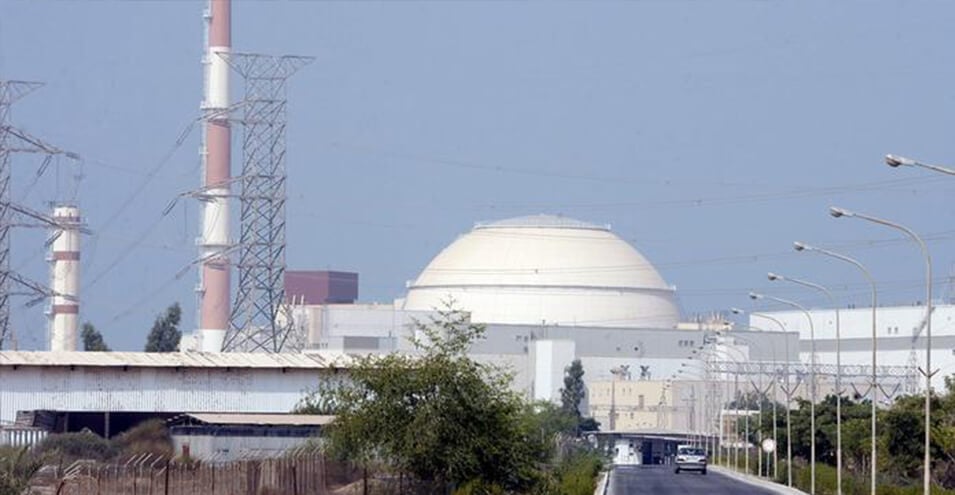
The Islamic Republic announced on the anniversary of the United States’ withdrawal from the nuclear agreement that it is suspending the implementation of some of its commitments under the JCPOA. Iran has set a 60-day deadline for other parties to fulfill their obligations, particularly in the banking and oil sectors.
Iran’s Supreme National Security Council issued a statement addressed to countries participating in the nuclear negotiations, announcing the suspension of implementing certain obligations stipulated in the nuclear agreement. The decision to review the commitments and obligations outlined in the JCPOA was made in response to increased sanctions against the country by the United States.
Iran’s official news agency, IRNA, published the text of the statement from Iran’s Supreme National Security Council on Wednesday, May 8. The statement clarified that the Islamic Republic “will suspend some of its measures under the JCPOA agreement” starting from May 8.
In explaining this decision, it was stated: “Iran, in order to safeguard the security and national interests of the Iranian people, and in exercising its rights stipulated in Articles 26 and 36 of the JCPOA, will suspend some of its measures under the JCPOA agreement starting from today, May 8, 2019.”
The decision to suspend the implementation of certain obligations stipulated in the nuclear agreement was announced by Iran’s Supreme National Security Council.
Criticism of Inaction by Relevant Countries
The statement emphasized: “One year has passed since the United States illegally withdrew from the JCPOA and violated UN Security Council resolutions, and that country has reapplied its unilateral and illegal sanctions in a blatant bullying manner, contrary to all recognized international principles. This blatant bullying by America, regrettably, has not been met with any appropriate and proportionate action by the Security Council or the remaining members of the JCPOA.”
It was also emphasized that this statement was sent by Hassan Rouhani, the President of Iran, to the leaders of JCPOA member states, including Germany, the United Kingdom, China, Russia, and France.
The statement noted that over the past year, the Islamic Republic of Iran has demonstrated “utmost restraint” and provided sufficient opportunity to other members of the nuclear agreement to compensate for the “effects and consequences of America’s withdrawal from the JCPOA” through their policies.
The statement criticized the inaction of countries participating in nuclear negotiations with Iran. Continuing the statement and explaining why Iran decided to suspend certain obligations stipulated in the nuclear agreement, it stated: “Unfortunately, this goodwill and intelligent restraint by the Iranian people has gone unanswered, and aside from issuing political statements, no operational mechanism has yet been put in place to compensate for American sanctions. Therefore, the Islamic Republic of Iran has no choice but to ‘reduce its commitments’ in order to secure its rights and restore balance to the obligations of both parties in this agreement.”
60-Day Deadline
The Islamic Republic announced that starting from May 8, it does not consider itself bound by restrictions on the amount of enriched uranium reserves and heavy water reserves it maintains.
Iran’s Supreme National Security Council gave the remaining JCPOA parties a 60-day deadline to operationalize their commitments, particularly in the banking and oil sectors.
The statement further emphasized: “If within this deadline the aforementioned countries are unable to meet Iran’s demands, in the next phase, the Islamic Republic of Iran will also suspend compliance with restrictions on the level of uranium enrichment and measures related to the modernization of the Arak heavy water reactor.”
The Islamic Republic also stressed that should Iran’s demands be met before the set deadline, Iran will resume implementing the commitments stipulated in the JCPOA.
At the end of its statement, the Islamic Republic warned: “The window that now stands before diplomacy will not remain open for long, and full responsibility for the failure of the JCPOA and any possible consequences will rest entirely with America and the remaining members of the JCPOA.”
The statement from Iran’s Supreme National Security Council was issued at a time when some European politicians have stated that if Iran fails to comply with the obligations stipulated in the nuclear agreement, the danger of the return of sanctions would not be ruled out.
Rouhani’s Additional Clarifications
Hassan Rouhani provided more detailed explanations regarding Iran’s policies toward the nuclear agreement during Wednesday’s cabinet meeting on May 8.
Rouhani said that starting from May 8, the Islamic Republic will take two measures in response to the sanctions. Iran announced that the first measure concerns the sale of excess enriched uranium production to other countries.
Under the nuclear agreement, Iran was required to limit its enriched uranium reserves in the country to 300 kilograms. The Islamic Republic was obligated to sell its excess uranium production to other countries and receive yellowcake in return.
The second measure to be implemented starting from May 8 is the suspension of restrictions on Iran’s heavy water reserves. According to the nuclear agreement, Iran’s heavy water reserves should not exceed 130 tons.
Iran was required to sell its excess heavy water production to another country if it exceeded the specified amount. Therefore, the Islamic Republic has lifted these two restrictions.
The U.S. government, on Saturday, continued its efforts to impose “maximum pressure” on the Islamic Republic by refraining from extending some nuclear cooperation exemptions with Iran. The unextended exemptions include the transfer of excess heavy water to Oman and the exchange of enriched uranium for yellowcake.
Rouhani emphasized in the cabinet meeting that if other countries party to the nuclear agreement do not comply with their commitments, the Islamic Republic, after the expiration of the 60-day deadline, will also lift restrictions on uranium enrichment and the modernization of the Arak heavy water reactors.
It should be noted that the nuclear agreement set the permitted level of uranium enrichment at 3.67 percent. Uranium enrichment beyond the agreed level would essentially mean Iran’s complete withdrawal from the nuclear agreement.
Source: DW