Josep Borrell: Russia Wanted to Prevent Lifting of Iran’s Oil Sanctions
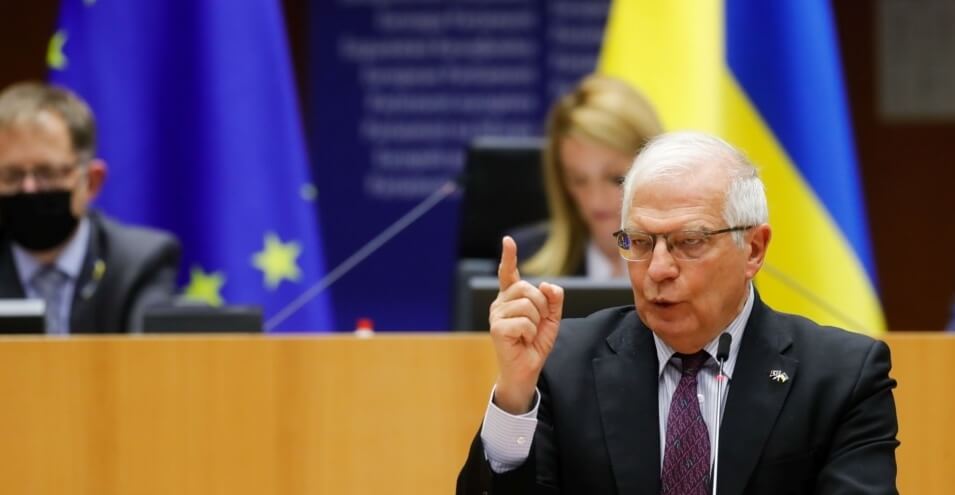
The European Union’s foreign policy chief says Russia wanted to prevent the lifting of Iran’s oil sanctions “because if Iran resumes its production, more oil will enter the market and this is not in Russia’s interest”.
Josep Borrell said on Monday, April 28, upon returning from his regional trip to Arab countries bordering the Persian Gulf, in the European Parliament: Two weeks ago, it seemed that an agreement with Iran had been reached. “Then Russia entered and was creating obstacles” because Moscow was seeking to gain concessions from the West due to its war in Ukraine.
Russian Foreign Minister Sergey Lavrov had requested on March 5 that the United States provide written guarantees that Western sanctions against Russia due to its aggression against Ukraine would not affect Moscow and Tehran’s economic and military cooperation.
He later announced that Moscow had received this guarantee from America. U.S. officials, condemning Russia’s obstructionist actions regarding the revival of the JCPOA, emphasized that developments in Ukraine and the JCPOA are unrelated.
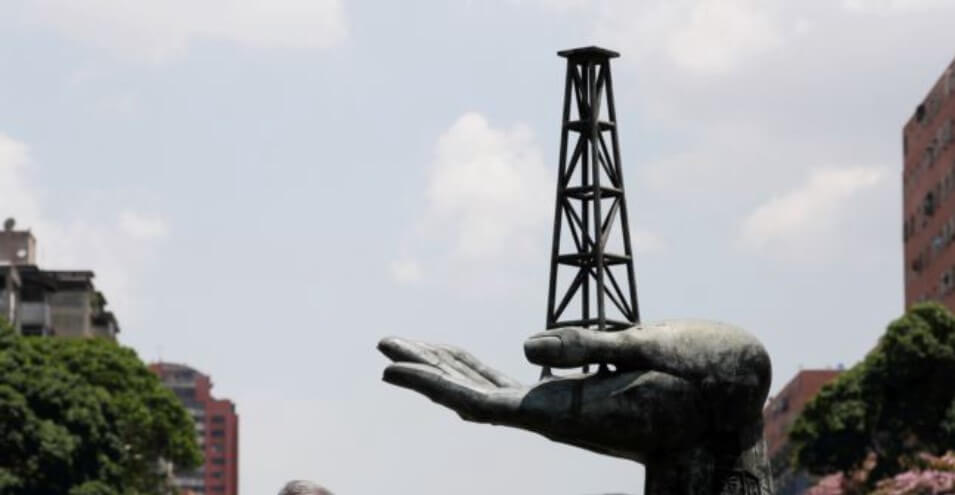
The International Energy Agency recently announced that Western sanctions could reduce Russia’s oil production and exports by 30 percent. Iran and Venezuela, if U.S. sanctions are lifted, are capable of increasing daily production by more than two million barrels over the coming months.
Iran also has 110 million barrels of unsold oil stored in land facilities and anchored tankers in the Persian Gulf that could quickly enter the market and compensate for some of the decline in Russian oil exports.
Borrell: No Guarantee of Reaching an Agreement
The European Union’s foreign policy chief continued by saying that negotiations between Iran and parties to the JCPOA are now facing difficulties.
Mr. Borrell added: “Now other issues have arisen that are not related to the JCPOA—guarantees regarding the Islamic Revolutionary Guards Corps.”
This European official’s reference was to the Islamic Republic of Iran’s request to remove the Islamic Revolutionary Guards Corps from the list of terrorist organizations of the United States of America.
The European Union’s foreign policy chief, expressing doubt about reaching an agreement to revive the JCPOA, said: “It would be shameful to not reach some form of agreement, especially when we are this close to it. But I cannot guarantee that we will reach an agreement.”
Under the 2015 agreement between Iran and six world powers known as the JCPOA, the main sanctions against Tehran related to its nuclear activities were to be gradually lifted, and Iran was obligated to limit the scope of its nuclear activities, including the volume and concentration of enrichment.
However, following the Trump administration’s withdrawal from the JCPOA in May 2018 and the resumption of severe sanctions against Iran, the existence of the JCPOA was endangered.
Iran also gradually withdrew from its commitments under this agreement from 2019 and pursued nuclear activities including 20 and 60 percent uranium enrichment, the use of advanced centrifuges, and the suspension of the Additional Protocol.
With the beginning of Joe Biden’s presidency in January 2021, negotiations to revive the JCPOA began, and in recent weeks all parties involved in the negotiations expressed optimism about reaching an agreement.
However, Russia’s unexpected request and then Iran’s demands on America regarding the necessity of removing the Guards from the U.S. terrorist organizations list, the United States’ guarantee against re-withdrawal from the JCPOA, and the lifting of all sanctions caused the Vienna negotiations to halt, with no prospect for their resumption.
Source: Radio Farda