Nasrat Karimi, Renowned Artist of Iranian Cinema, Passes Away
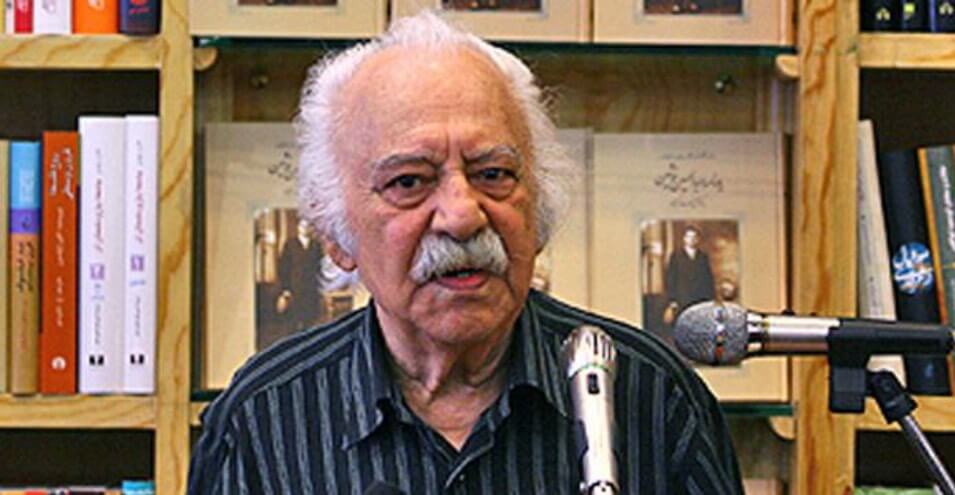
Karimi made films that became controversial for ridiculing traditional and religious conventions. His prominent role in the series “Uncle Jan Napoleon” remains memorable. Karimi was not permitted to work after the revolution.
Nasratolah Karimi, a veteran artist of Iranian cinema and theater, passed away on Monday, December 3, at the age of 95 due to old age at his home in Tehran.
Nasrat Karimi was born in 1924 in Tehran. He began his artistic career in his youth by joining Abdolhasan Noushin’s group. In the 1940s, Noushin, by forming a theatrical team with talented young people and performing plays in the Ferdowsi and Saadi theaters, sought to establish solid foundations for modern Iranian theater. The coup d’état of August 19, 1953 ended these efforts.
Nasrat Karimi, who collaborated with Noushin’s group as a makeup artist and actor, and who recorded his debt to the “master” in a book written in his honor, went to Europe in 1952 to study cinema. After several years of training and experience in Italy and former Czechoslovakia, he returned to Iran in 1964.
Karimi presented numerous works in various fields and disciplines, including writing, acting, design, makeup for cinema and theater, production of animated films, and puppet shows. After the revolution, due to his background and “un-Islamic” conduct, he was barred from artistic activity and gradually turned to teaching, engaging in “miscellaneous” work such as sculpture and flower cultivation.
Karimi, in addition to completing a specialized course in puppet films, was also active in producing several television series. Some of the films in which Nasratolah Karimi generally appeared as a writer, director, and actor include: “The Carriage Driver,” “The Ruined House,” “The Uninvited Guest,” and “The Nullifier.” His acting in the famous series “Uncle Jan Napoleon” also remains memorable.
Multi-Faceted Artist
In particular, two films, “The Carriage Driver” and “The Nullifier,” stand out in Karimi’s career.
“The Carriage Driver” is very successful in creating the atmosphere of the southern city without resorting to artificial and clichéd elements such as street hooliganism and knife-fighting. According to critics, this film narrates an unconventional love story in the simplest cinematic language. It creates a familiar and intimate atmosphere and establishes real relationships among vivid and living characters. In this film, a middle-aged woman and man had an old affection but had been separated. Now that they have lost their spouses, there is no longer an obstacle to their love, and they wish to marry. However, “masculine” jealousy and “honor” prejudices prevent their union. Only after much hardship and bitter encounters is this obstacle removed.
The film “The Nullifier,” which was loosely based on one of Sadegh Hedayat’s short stories, effectively demonstrates the interference of traditional beliefs and especially their incompatibility with the modern world. The screening of the film provoked a sharp reaction from religious circles, which led to the film being banned and caused trouble for its creator after the revolution.
After producing the two aforementioned films, Nasrat Karimi distanced himself from cinema of his preference. It can be said that cultural obstacles and political pressures prevented him from continuing his path. From then on, he participated occasionally as a director and more often as an actor in films that were more focused on box office and preferred bland comedy to cutting satire and irony.
After the revolution, this artist went through difficult times and spent several years in fear and terror. Karimi was imprisoned for a time and was then banned from artistic work.
In the years after the revolution, Karimi offered his artistic creativity in other disciplines such as sculpture and makeup. He also taught in art schools, made his artistic experience and knowledge available to young people, and in his classes always emphasized the importance of cinema’s social approach.
The funeral ceremony of this artist is scheduled to be held on Saturday, December 7.
Source: DW