Prince Reza Pahlavi: “The People of Iran, Like Cyrus the Great, Are Peaceloving and Peacemakers”
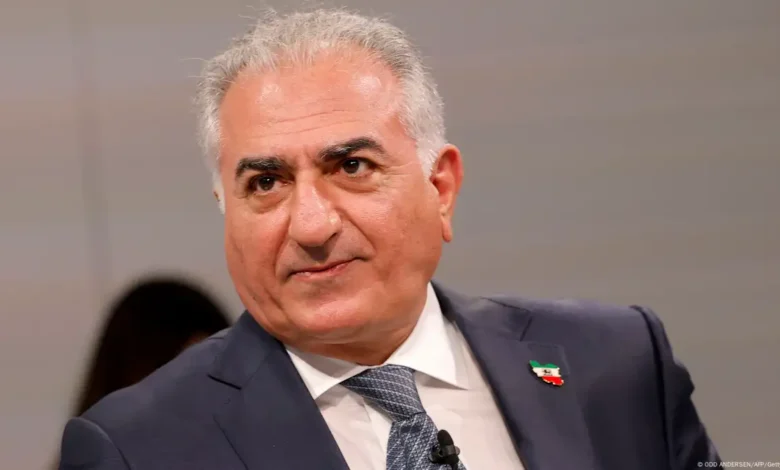
Prince Reza Pahlavi, in a message on the occasion of the release of Israeli captives from Gaza, said that the people of Iran, like Cyrus the Great, are peaceloving and peacemakers.
Following the ceasefire agreement and the release of hostages in the recent Gaza conflict, Prince Reza Pahlavi, in a message congratulating Israel and the families of the hostages, expressed appreciation for the efforts of the United States and the role of Trump; however, a major portion of his message is directed toward the situation of the Iranian people and the struggle against the Islamic Republic regime. Below is the full text of his remarks and some additional notes, presented along with a background on regional conditions.
Regional Background and the Importance of the Message
- The release of Israeli hostages after more than two years of captivity is one of the prominent pillars of the ceasefire agreement and international negotiations in the Middle East. This action not only has a humanitarian dimension but also carries an important political message for the region and its actors.
- In this situation, countries such as the United States and Egypt have taken on the role of mediator and guarantor. Trump, in this context, has emphasized the leadership and the United States’ share in bringing an end to this matter.
- On the other hand, the country of Iran and the human rights situation within it have always been the subject of international attention. Critical messages toward the Islamic Republic regime in such situations can be seen as a voice of solidarity with the Iranian people.
- Prince Pahlavi’s remarks in this context are part of the opposition movement and express hope for change and freedom in Iran.
Prince Reza Pahlavi, in response to the release of Israeli captives from Hamas captivity, expressed his joy, saying: “I am very pleased with the release of Israeli hostages from Hamas captivity. This freedom, after two years of grueling suffering, has restored peace to their families. I also thank President Donald Trump and his team for their leadership in ending this suffering and their tireless efforts to establish peace in the region.
But in these moments of joy for the people and the State of Israel, my mind and heart are also with my compatriots in Iran who remain hostages of a merciless regime. The Iranian nation knows better than anyone else that the Islamic Republic will never allow true peace to be established in the Middle East. This is why they are fighting for their freedom. Rest assured that this occupying regime will fall and Iran will rise again.
It is only on that day that we will witness the true and lasting peace in the Middle East that we are all seeking. Unlike the warmongers of the Islamic Republic who sow the seeds of strife and chaos, the people of Iran, like Cyrus the Great, are peaceloving and peacemakers.”
Analysis of Prince Reza Pahlavi’s remarks shows that:
- Alignment with the international peace-seeking front: Prince Pahlavi’s message is a strong emphasis on the value of peace, and he seeks to position himself and movements supporting change in Iran on a front aligned with international peace processes. This alignment can be diplomatically and mediologically significant.
- Dual response to freedom and continued struggle: His text shows that congratulating the release of Israelis and thanking Trump does not prevent him from referring to the internal situation of Iran at the same time and considering the struggle for freedom a “natural right” of the Iranian nation.
- Threatening the regime and hope for change: Phrases such as “a merciless regime” or “hope for the regime’s collapse” and “Iran will rise again” clearly show that his message is political and transformative in nature, not merely a statement of sympathy.
- Use of historical symbolism: The reference to “Cyrus the Great” as a historical Iranian symbol known for peace and desirable governance is a clever attempt to connect contemporary aspirations to a historical identity.
- Risks and limitations: The Islamic Republic regime may perceive this message as incitement or a threat and may respond at the media, judicial, or security levels. The impact of such messages within Iran depends greatly on the possibility of dissemination, countering censorship, and reaching audiences. On the international stage, some may consider Prince Pahlavi’s message overly optimistic, especially if the realization of structural changes takes time.
- Corroborating media evidence: In sources published on social media, Prince Pahlavi’s message has been confirmed as quoted from verified official accounts. It is also mentioned in these sources that he emphasized in his message that true and lasting peace in the Middle East can only be achieved with the “fall of the Islamic Republic.”