Religious Minority Leaders in Iran Support Chastity and Hijab Law
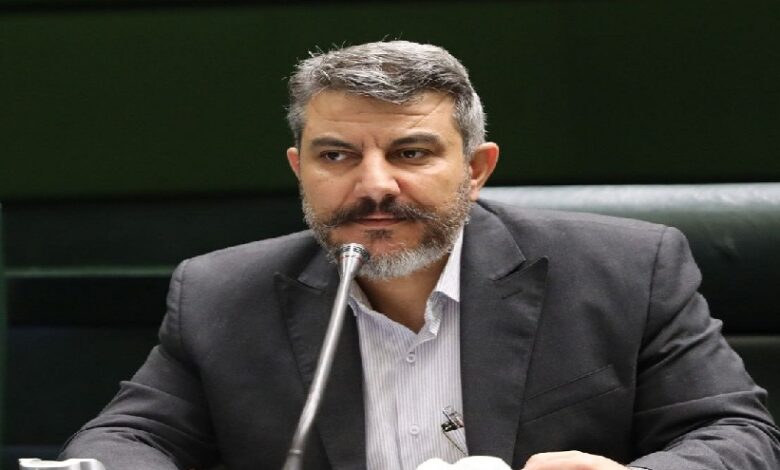
Leaders of religious minorities and their representatives in parliament have expressed support for the Chastity and Hijab Law.
The support expressed by religious minority leaders in parliament for the Chastity and Hijab Law has been met with widespread reactions. The implementation of the Chastity and Hijab Law in the Islamic Consultative Assembly has become a challenge for some time, surrounded by numerous controversies. These controversies have also extended to religious minority leaders who represent minorities in the Islamic Consultative Assembly.
On Tuesday, the 14th of Esfand, a letter was sent by “Amirhossein Bankipour,” representative from Isfahan, to “Mohammad Baqer Qalibaf,” Speaker of Parliament, in which he called for the swift promulgation of the hijab law to protect the dignity of Iranian women. The sending of this letter indicates that parliamentary representatives have resolved to pass this law as quickly as possible—a law in which not only are individual and social rights and freedoms violated, but they have become questionable.
However, what has sparked numerous reactions is the signature of “Gegard Mansourian,” representative of Armenian Christians, and “Behshid Barkhordar,” representative of Zoroastrians, who are leaders of religious minorities, also appearing on this letter. Behshid Barkhordar stated in a message that “concealment is a reality of Zoroastrian culture in Iran.”
Similarly, the signature of Gegard Mansourian and his endorsement of the Chastity and Hijab Law comes at a time when many Armenians and other religious minorities have been forced to emigrate due to these very coercive measures. For those who have their own beliefs and culture, this law is considered a cultural and religious imposition, causing feelings of insecurity and dissatisfaction among them, and many Armenians have been forced to leave their homeland due to these very pressures.
But the question here is: a law that, following its approval by the Guardian Council, has continuously faced extensive criticism from both the public and even those who believe in Islamic principles—have minority representatives, despite their diminished rights in Iran, supported the passage of such a law of their own will, or have they been forced into compliance and support for the Iranian government under the influence of political pressures or personal interests?
After 46 years, the Islamic Republic authorities continue to impose mandatory hijab on Iranian women and even religious minorities in the name of religion and Islamic law; an issue that has transcended religion and faith itself, taking on security, political, and social dimensions, and has become a symbol of civil and social resistance by the Iranian people against the Islamic Republic system.