Shadow of Tehran’s War Over the Persian Gulf; Abu Dhabi Explosions and Targeting of Dubai
The shadow of Tehran’s war over the Persian Gulf, the explosions in Abu Dhabi and the targeting of Dubai, demonstrate that the threat posed by the Islamic Republic to the security of regional countries has moved beyond the warning phase and transformed into a dangerous reality.
News sources reported hearing several explosions in Abu Dhabi, the capital of the United Arab Emirates, in the early morning hours of Saturday, March 7, corresponding to the 16th of Esfand. This event has once again intensified concerns about the expansion of regional conflicts and the role of the Islamic Republic in Middle Eastern instability.
According to social media reports, the sound of multiple explosions was heard in several areas of Abu Dhabi, and the country’s air defense systems were activated to counter potential threats. Some reports suggest that these explosions occurred following the interception of missiles and drones that, according to UAE officials, were fired by Iran.
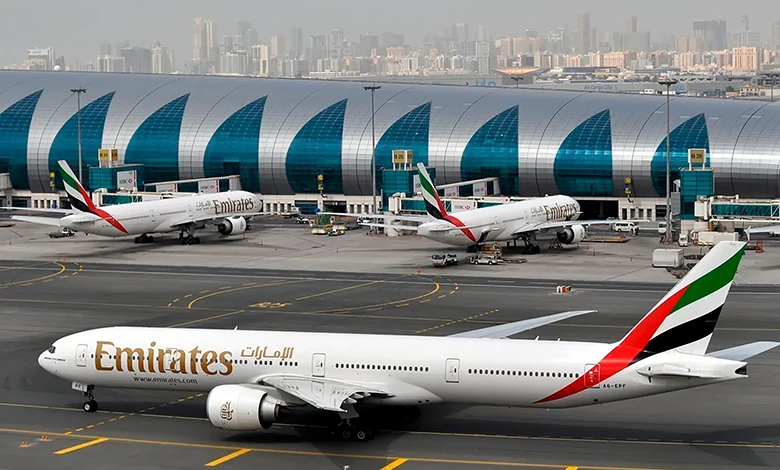
Simultaneously, reports emerged about flight disruptions and the temporary closure of Dubai International Airport. Reuters news agency also announced that explosions were heard in Abu Dhabi, and concurrent reports stated that Dubai International Airport was temporarily closed following several explosions in the airspace around it.
Meanwhile, the UAE Ministry of Defense announced that the country’s air defense systems are confronting missile and drone threats that, according to the ministry’s claims, were fired by Iran toward the Emirates.
Precise details regarding the extent of damage or potential casualties from these attacks have not yet been officially announced, but preliminary reports indicate the activation of defensive systems and the fall of drone debris in some areas.
This is not the first time that Emirates cities have been targeted by Iran-related attacks. In recent days, Dubai and Abu Dhabi have been subjected to multiple missile and drone attacks several times. According to UAE officials, hundreds of ballistic missiles and drones have been identified during these attacks that were linked to Iran, with a large portion of them intercepted by defensive systems.
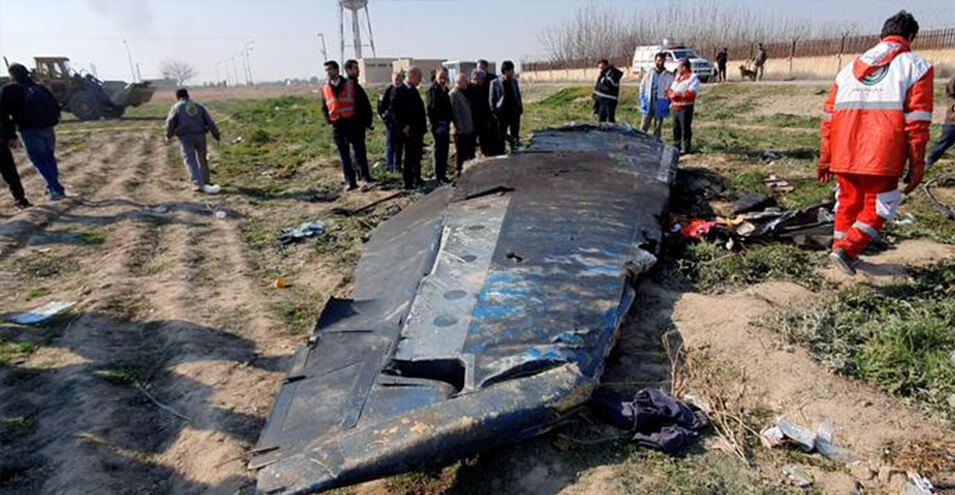
Despite extensive interception, the fall of missile and drone debris in residential areas has caused damage, with at least several people killed and dozens injured. In some cases, drone attacks have caused fires in facilities and industrial areas in Abu Dhabi.
In recent days, Dubai was also not spared from these attacks. Reports indicate that explosions occurred around Dubai International Airport, during which flights were temporarily suspended on several occasions. Beyond these attacks, the Fairmont Hotel in Dubai was also targeted by Iranian attacks, with much of it destroyed.
Additionally, the fall of drone debris in some residential areas of the city has caused widespread concern among residents and disrupted daily life. Some reports mention damage to non-military infrastructure and even technology and data centers in the region.
Regional analysts say the continuation of these attacks indicates that the military policies of the Islamic Republic are becoming one of the most significant destabilizing factors in the Middle East. Many Arab states of the Persian Gulf now face direct threats from Iranian missiles and drones; a threat that endangers not only military security but also the region’s economic and energy infrastructure.
While regional governments have repeatedly warned about the consequences of these actions, the recent attacks on the Emirates demonstrate that the scope of conflict can rapidly expand and transform Persian Gulf security into one of the most sensitive geopolitical crises in the world.